
10 Rock Stars Surrounded by the Wildest Devil Worship Rumors
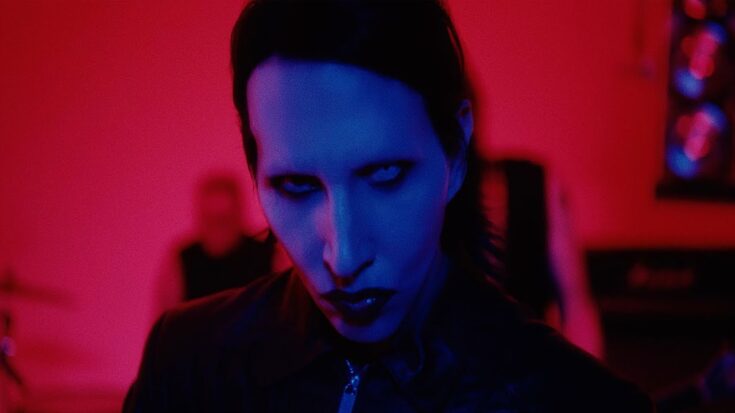
via Marilyn Manson / YouTube
Rock music has always had a habit of testing limits, but some songs didn’t just test them — they blew straight through the guardrails. These are the tracks that didn’t quietly stir debate or earn a few angry letters. They sparked full-blown outrage, prompted bans, fueled protests, and in some cases changed the trajectory of the artists who released them. Whether through shocking lyrics, confrontational imagery, or poorly judged ideas, these songs forced listeners to react.
What makes these moments endure isn’t just the controversy itself, but how sharply they captured the anxieties of their time. Rock has long been a mirror for social tension, and when that mirror becomes too honest or too abrasive, the backlash can be swift. From political fury and cultural insensitivity to violence, sexuality, and outright provocation, these songs crossed lines that many listeners weren’t prepared to see crossed — especially when amplified by radio play, MTV rotation, or headline-grabbing live performances.
This list looks at twenty rock songs that ignited the fiercest reactions, for better or worse. Some were deliberate acts of rebellion, others miscalculations that spiraled out of control, but all of them left a mark. Love them, hate them, or still argue about them decades later, these tracks remind us that rock music has never been comfortable playing it safe — and sometimes, the fallout becomes just as memorable as the song itself.
#10: Selim & Farida Lemouchi of The Devil’s Blood
For this entry, the line between rumor and reality is almost nonexistent. The Devil’s Blood didn’t flirt with occult themes for shock value or aesthetics—they treated them as a guiding philosophy. Anchored by siblings Selim and Farida Lemouchi, the Dutch band leaned heavily into the traditions of early occult rock, drawing inspiration from groups that treated mysticism as something lived rather than performed.
Selim Lemouchi, the band’s principal songwriter and creative force, was unusually candid about where his inspiration came from. In multiple interviews during the band’s active years, he spoke openly about Satan as a literal source of creative energy rather than a metaphor or symbol. These statements weren’t buried in obscure zines either; they appeared in established metal outlets and were delivered without irony or ambiguity.
That directness is part of what set The Devil’s Blood apart from many acts often lumped into Satanic controversy. There was no distancing language, no later revisionism, and no attempt to soften the message for broader appeal. Following Selim Lemouchi’s tragic death in 2014, the band’s legacy became inseparable from the beliefs he openly professed, making this one of the rare cases where the rumors didn’t exaggerate the truth.
View this post on Instagram
#9: Papa Emeritus (a.k.a. Cardinal Copia) of Ghost
Ghost’s rise to mainstream prominence caught many observers off guard, especially given how overtly Satanic the band’s presentation appeared at first glance. Fronted by the masked figure known as Papa Emeritus—later succeeded by Cardinal Copia—the group combined infectious melodies with a visual identity steeped in inverted crosses, papal robes, and ritualistic pageantry. It was theatrical, polished, and impossible to ignore.
Behind the makeup and mythology is Tobias Forge, whose careful construction of Ghost’s lore plays a major role in fueling speculation. Each incarnation of Papa Emeritus functions as part of an ongoing narrative, blending parody, homage, and provocation. While Forge has often framed Ghost’s Satanic imagery as conceptual rather than devotional, the consistency and detail of the presentation leave plenty of room for interpretation.
That ambiguity is where the rumors thrive. Ghost walks a deliberate line between reverence and satire, borrowing heavily from classic shock rock traditions while updating them for modern arenas. Whether listeners interpret the band as tongue-in-cheek commentators or something more earnest depends largely on how seriously they take the symbolism—and Ghost has never been in a hurry to clarify the difference.
#8: Alexandra & Zachary James of Twin Temple
Twin Temple approaches Satanic imagery from an angle few rock acts have attempted, pairing it with the sweetness of vintage doo-wop and early rock ‘n’ roll. Led by married duo Alexandra and Zachary James, the band’s self-described “Satanic doo-wop” sound is both playful and confrontational, deliberately challenging expectations about what occult-themed music is supposed to sound like.
Unlike many artists who use Satanic symbolism as provocation alone, the Jameses have been open about their real-world affiliations. They’ve spoken publicly about their involvement with The Satanic Temple and how its values—particularly its emphasis on personal autonomy and opposition to authoritarianism—inform their creative outlook. For Twin Temple, the imagery isn’t just visual flair; it’s an extension of their worldview.
Musically, that worldview is wrapped in harmony-heavy arrangements that recall the innocence of 1950s pop, creating a striking contrast with the lyrical content. That tension is exactly what fuels the controversy surrounding the band. By presenting Satanic themes through a style traditionally associated with wholesomeness, Twin Temple turns cultural expectations inside out—and invites rumors to follow.
View this post on Instagram
#7: Watain
Within black metal, Satanic devotion is often implied, exaggerated, or mythologized. Watain removed most of that ambiguity early in their career. Emerging from Sweden’s post-second-wave black metal scene, the band quickly gained notoriety for performances that framed Satan not as symbolism, but as an actual object of worship.
Watain’s lyrics and live shows are rooted in theistic Satanism, a distinction that sets them apart from acts using occult language as metaphor. Their concerts are structured as rituals rather than traditional performances, complete with altar-like stage setups and ceremonial pacing. This approach has earned the band a reputation that extends well beyond the music itself.
Controversy escalated further due to the band’s use of animal remains and blood during live appearances, elements that sparked bans, venue disputes, and widespread media backlash. For Watain, these practices were presented as sincere expressions of belief rather than attempts at spectacle. Whether viewed as genuine devotion or calculated extremity, the band’s reputation was built on actions that left little room for rumor to embellish.
#6: Marilyn Manson
At the height of the 1990s culture wars, Marilyn Manson became a symbol of everything conservative America feared about rock music. His imagery, interviews, and live performances were designed to provoke outrage, and they succeeded spectacularly. For many parents and religious groups, Manson wasn’t just offensive — he was framed as a genuine moral threat, blamed for everything from teenage rebellion to broader social decay.
Fueling that panic was Manson’s public association with Anton LaVey, who named him an honorary priest in the Church of Satan during the band’s commercial peak. While the title carried more symbolic weight than institutional responsibility, it reinforced the perception that Manson’s interest in Satanism went beyond theatrics. His lyrics and public statements frequently referenced occult philosophy, drawing from figures associated with ritual magick and anti-Christian ideology.
Over time, Manson has characterized much of his Satanic imagery as metaphorical and confrontational rather than devotional. Still, the consistency of those references — combined with his deliberate courting of controversy — ensured that rumors followed him long after the peak of his notoriety. For an artist who thrived on unsettling expectations, the devil worship narrative became inseparable from his public identity.
#5: Dave Mustaine of Megadeth
Rebellion has always been a core ingredient in heavy metal, and Megadeth’s early years were saturated with that energy. Under Dave Mustaine’s leadership, the band leaned into aggressive themes, political hostility, and occult imagery that mirrored the intensity of the thrash movement as a whole. Songs like “The Conjuring” openly referenced spells, hexes, and ritual language, pushing beyond vague symbolism.
What separates Mustaine from many others on this list is his later willingness to reflect publicly on that period. In interviews, he has admitted to experimenting with black magic during his youth, framing it as part of a destructive phase fueled by addiction and anger. As his personal beliefs shifted toward Christianity, Mustaine made a point of distancing himself from that material, even refusing to perform certain songs live.
That reversal only added to the intrigue. For critics, Mustaine’s admissions validated suspicions about metal’s flirtation with the occult. For fans, they marked a dramatic personal transformation. Either way, Megadeth’s early catalog remains a flashpoint in discussions about Satanic rumors in metal, anchored by the rare case of an artist acknowledging the practices outright — then rejecting them just as publicly.
#4: Graham Bond
Long before Satanic panic became a mainstream talking point, Graham Bond was already immersed in the esoteric fringes of British music culture. A pioneering figure in the 1960s blues and jazz-rock scene, Bond was deeply influenced by the writings and philosophy of Aleister Crowley. His fascination wasn’t subtle, nor was it limited to abstract ideas.
Bond’s later recordings made those interests explicit. Albums like Holy Magick and Love Is the Law drew directly from Crowley’s teachings, both in title and thematic content. Unlike later rock artists who filtered occult references through irony or spectacle, Bond treated them as serious intellectual and spiritual pursuits, embedding them directly into his music.
Despite his influence on musicians who would later define classic rock, Bond’s career was derailed by financial hardship, addiction, and ongoing mental health struggles. His death in 1974 cut short a body of work that might otherwise have been reevaluated more generously. Instead, he remains a cult figure — remembered as much for his occult devotion as for his role in shaping the sound of British rock’s formative years.
https://twitter.com/Hakkiles34/status/1721128453355802798
#3: Jimmy Page of Led Zeppelin
Jimmy Page’s interest in the occult occupies a unique place in rock mythology, largely because it coincided with Led Zeppelin’s massive cultural reach. Unlike underground artists whose beliefs stayed within niche circles, Page’s fascination with esoteric philosophy unfolded in full public view, magnified by the band’s global fame. That visibility turned curiosity into legend.
Page’s admiration for Aleister Crowley was well documented, extending beyond casual interest. He owned Crowley’s former residence, Boleskine House, for years and incorporated occult symbolism into Zeppelin’s visual identity, most famously through the runic symbols on the band’s untitled fourth album. Page also curated rare occult texts through his London bookshop, The Equinox, further cementing his reputation as a serious collector rather than a passing enthusiast.
The rumors intensified when Page composed music for the cult film Lucifer Rising, a project steeped in Crowleyan imagery. Although his score went unreleased for decades, its existence fed speculation that Zeppelin’s power and mystique were tied to something supernatural. Whether viewed as scholarly fascination or spiritual alignment, Page’s occult legacy remains one of the most enduring — and debated — in rock history.
#2: King Diamond of Mercyful Fate
King Diamond occupies a rare position in heavy metal history, where influence and extremity meet without dilution. As the frontman of Mercyful Fate and later as a solo artist, he helped define the sound and visual language of occult metal, pairing falsetto vocals with elaborate horror narratives. His theatrical delivery became instantly recognizable, setting a standard that countless artists have tried—and failed—to replicate.
Much of the controversy surrounding King Diamond stems from his open embrace of LaVeyan Satanism. Unlike theistic interpretations that frame Satan as a literal deity, this philosophy presents itself as an individualist, human-centered belief system. Diamond has repeatedly emphasized that distinction, framing his worldview as philosophical rather than devotional, even as his lyrics and imagery remain steeped in ritualistic atmosphere.
That nuance, however, rarely softened public reaction. His association with the Church of Satan and his admiration for the writings of Anton LaVey ensured that his work would be scrutinized far beyond the metal underground. Whether viewed as genuine belief or provocative storytelling, King Diamond’s catalog delivered some of the genre’s most enduring conceptual statements, cementing his place at the center of devil worship rumors for decades.
#1: Jinx Dawson of Coven
When Coven released Witchcraft in 1969, the album didn’t just flirt with occult themes—it arrived fully immersed in them. Fronted by Jinx Dawson, the band presented Satanic imagery with a seriousness that predated both heavy metal and the moral panics that would later surround it. At a time when rock was still largely associated with rebellion and psychedelia, Coven pushed into territory that felt genuinely forbidden.
The album’s subtitle, “Destroys Minds & Reaps Souls,” left little to the imagination, and its closing track—a full-length “Satanic Mass”—was unlike anything else circulating in popular music. That boldness coincided with a broader cultural fascination with the occult, particularly in California, where esoteric movements and infamous cults captured public attention. As a result, Coven’s name became permanently entangled with the era’s darkest associations.
Decades later, Dawson has shown no interest in distancing herself from that legacy. Through renewed performances and a visible online presence, she continues to frame Coven as a foundational force in occult rock and metal. More than any other artist on this list, Dawson represents the point where Satanic imagery stopped being implied and became the headline—earning her a place at the very top of this countdown.