

20 Rock Songs That Sparked the Biggest Backlash of All Time
via The Beatles / YouTube
Rock music has always had a habit of testing limits, but some songs didn’t just test them — they blew straight through the guardrails. These are the tracks that didn’t quietly stir debate or earn a few angry letters. They sparked full-blown outrage, prompted bans, fueled protests, and in some cases changed the trajectory of the artists who released them. Whether through shocking lyrics, confrontational imagery, or poorly judged ideas, these songs forced listeners to react.
What makes these moments endure isn’t just the controversy itself, but how sharply they captured the anxieties of their time. Rock has long been a mirror for social tension, and when that mirror becomes too honest or too abrasive, the backlash can be swift. From political fury and cultural insensitivity to violence, sexuality, and outright provocation, these songs crossed lines that many listeners weren’t prepared to see crossed — especially when amplified by radio play, MTV rotation, or headline-grabbing live performances.
This list looks at twenty rock songs that ignited the fiercest reactions, for better or worse. Some were deliberate acts of rebellion, others miscalculations that spiraled out of control, but all of them left a mark. Love them, hate them, or still argue about them decades later, these tracks remind us that rock music has never been comfortable playing it safe — and sometimes, the fallout becomes just as memorable as the song itself.
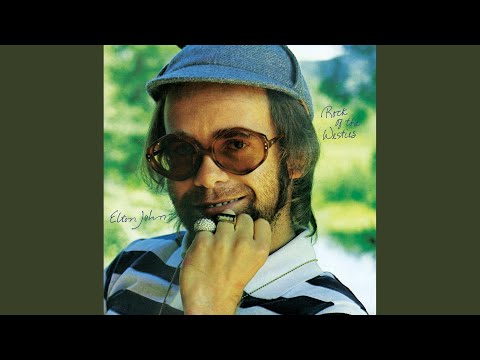
#20: “Island Girl” by Elton John (1975)
When “Island Girl” landed on radio in 1975, it felt like another sun-soaked hit from Elton John’s peak commercial period. Caribbean-inspired rhythms were filtering into mainstream pop and rock at the time, and the song’s relaxed groove fit neatly alongside other mid-’70s chart staples. It quickly became a hit, reinforcing Elton’s ability to absorb outside influences without losing his melodic touch.
The discomfort comes from the song’s narrative voice. The lyrics place a white protagonist at the center of a story about a Jamaican sex worker, leaning into exaggerated tropes that were rarely questioned at the time. While musical inspiration from reggae and ska was becoming more common, the song’s sexualized framing crossed into territory that now feels dated and tone-deaf rather than playful.
That shift in perspective likely explains why Elton John quietly removed “Island Girl” from his live performances, last playing it in 1990. Unlike many of his enduring hits, the song now sits awkwardly within his catalog. It remains a reminder that what once passed as cheeky storytelling can later be reevaluated through a far less forgiving lens.
#19: “If You Wanna Be Happy” by Jimmy Soul (1963)
“If You Wanna Be Happy” arrived during a period when novelty-driven pop songs could still dominate the charts. Jimmy Soul’s upbeat doo-wop rendition was adapted from a traditional Trinidadian calypso tune popularized by Roaring Lion, giving it an infectious rhythm that helped it stand out among early ’60s hits.
Its message, however, was far less charming. The song’s central joke — advising men to marry an “ugly woman” for domestic peace — drew criticism even at the time. Several radio stations reportedly refused to play it, uncomfortable with its blunt misogyny despite the cheerful delivery and singalong chorus.
Yet the song proved difficult to bury. Variations continued to resurface over the decades, including a notable appearance on the soundtrack of the 1990 film Mermaids. Its longevity illustrates how novelty songs can outlast the cultural attitudes that produced them, often reemerging as artifacts that feel more jarring with each revival.

#18: “Brown Sugar” by The Rolling Stones (1971)
“Brown Sugar” has long been one of The Rolling Stones’ most recognizable recordings, driven by a swaggering riff and relentless energy. Upon its release, it embodied the band’s reputation for provocation, fitting neatly into their early ’70s image as rock’s most unapologetic agitators.
Over time, attention shifted away from the song’s musical impact and toward its lyrical content. References to slavery, exploitation, and race became increasingly difficult to dismiss as simple shock tactics. Mick Jagger later acknowledged this unease, telling Rolling Stone in 2009 that he would never write the song the same way today.
Despite those reflections, “Brown Sugar” has never fully disappeared. It was quietly removed from recent live setlists, yet it continues to spark debate whenever it’s discussed or replayed. The song now occupies an uneasy space — both a defining Stones classic and a lightning rod for ongoing cultural reevaluation.
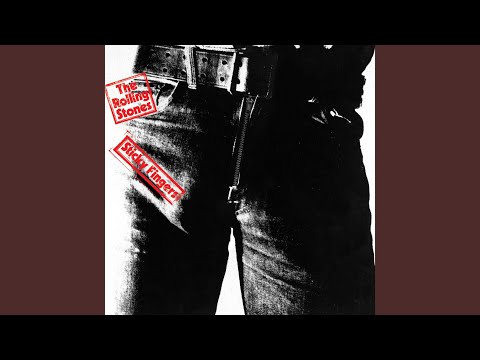
#17: “Killing in the Name” by Rage Against the Machine (1992)
“Killing in the Name” arrived with no intention of compromise. Fueled by rage toward institutional racism and abuse of power, the song became Rage Against the Machine’s defining early statement. Its aggressive build and confrontational lyrics captured a frustration that many listeners felt but rarely heard expressed so bluntly.
The backlash centered on its unapologetic use of profanity, particularly in the song’s explosive final section. In the United States, many radio stations refused to play it altogether, while others relied on heavily censored versions that stripped the track of its emotional core.
Outside the U.S., reactions were often less severe. Several European broadcasters aired the song unedited, underscoring how differently protest music was treated across regions. Today, “Killing in the Name” is widely regarded as an essential political anthem, its once-controversial fury now central to its enduring reputation.
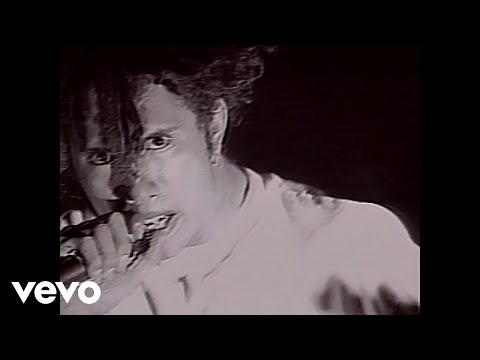
#16: “Bobby Brown (Goes Down)” by Frank Zappa (1979)
By 1979, Frank Zappa’s reputation as a provocateur was already well established, but “Bobby Brown (Goes Down)” proved he still had plenty of buttons left to push. Wrapped in a deceptively upbeat melody, the song leaned heavily into Zappa’s fondness for absurdist storytelling and razor-sharp satire. On first listen, it sounded playful — almost cartoonish — which only amplified the shock once listeners paid attention to the lyrics.
Those lyrics quickly became the dividing line. The song’s graphic sexual content and deliberately offensive scenarios left little room for neutrality. Admirers framed it as fearless satire skewering masculinity, conformity, and repression, while critics saw it as needlessly extreme and cruel. The arguments around intent versus impact have followed the song for decades, with neither side fully conceding ground.
One thing that wasn’t up for debate was its uneven reception. “Bobby Brown (Goes Down)” struggled to gain radio traction in the United States, yet became a sizable hit in parts of Europe. That contrast only reinforced Zappa’s belief that American audiences were far less tolerant of transgressive humor — especially when it refused to soften its punch.

#15: “Relax” by Frankie Goes to Hollywood (1983)
“Relax” arrived at a moment when pop music was growing bolder, louder, and more provocative — but few tracks tested the limits quite like this one. Beneath its pulsing synths and massive chorus sat lyrics that were anything but subtle. The song’s sexual overtones were obvious enough that the BBC responded with a ban shortly after its release.
That decision had the opposite effect of what was intended. The controversy transformed “Relax” into a cultural flashpoint, drawing curiosity rather than suppressing interest. As headlines piled up, so did sales, and the song quickly surged up the charts. The ban effectively turned it into forbidden fruit, especially for younger listeners.
The accompanying video only intensified the backlash, cementing the song’s reputation as an anthem of unapologetic excess. What might have been dismissed as club music instead became a defining moment of early ’80s pop rebellion, proving that moral panic often fuels popularity rather than extinguishing it.
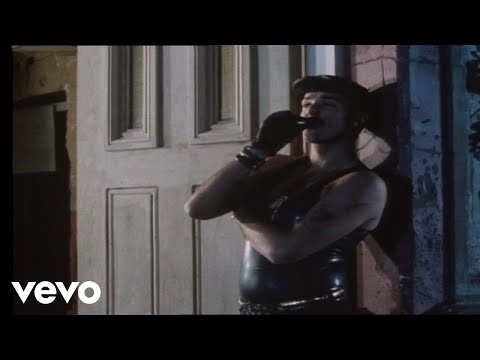
#14: “Christine Sixteen” by KISS (1977)
By the late 1970s, KISS had mastered the art of provocation, blending spectacle, sexuality, and shock into their public image. “Christine Sixteen” fit neatly into that formula, pairing a catchy hard-rock groove with lyrics centered on teenage fantasy. Sung by Gene Simmons, the song leaned into the band’s already controversial persona.
Even within the permissive climate of the era, the subject matter raised eyebrows. Some radio stations refused to play the song outright, while others restricted it to late-night slots to avoid younger audiences. The discomfort wasn’t just about implication — it was about how plainly the fantasy was stated.
Over time, “Christine Sixteen” has become one of those tracks that complicates nostalgia. While it remains part of KISS’ classic era, it’s also a reminder of how differently lyrics are scrutinized as cultural standards evolve. What once passed as edgy bravado now often lands as deeply uncomfortable.

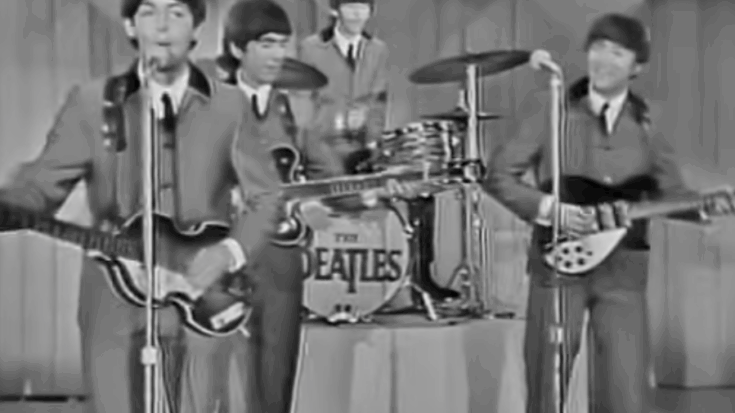
#13: “Lucy in the Sky with Diamonds” by The Beatles (1967)
“Lucy in the Sky with Diamonds” has been dissected, debated, and argued over since the moment it entered public consciousness. Its surreal imagery and dreamlike structure stood apart even within The Beatles’ rapidly evolving catalog. For many listeners in 1967, the song felt inseparable from the psychedelic movement sweeping youth culture.
The controversy stemmed largely from interpretation. Despite John Lennon’s repeated insistence that the title came from a drawing by his son Julian, suspicions of hidden drug references persisted. Radio stations and commentators alike focused on the song’s initials and hallucinatory lyrics, fueling speculation that refused to die.
Decades later, the debate still lingers. Whether viewed as an innocent piece of whimsy or a clever reflection of its era, “Lucy in the Sky with Diamonds” demonstrates how perception can override authorial intent. In the process, it became one of rock’s most enduring examples of controversy born entirely from interpretation.

#12: “Jesus Christ Pose” by Soundgarden (1991)
Controversy surrounding “Jesus Christ Pose” was almost guaranteed from the outset. Even before the song reached audiences, its CD single artwork — featuring a skeleton on a crucifix — signaled that backlash was inevitable. While Soundgarden were firmly rooted in Seattle’s grunge movement, the imagery felt closer to extreme metal, creating a jarring visual contrast that immediately drew attention.
The real uproar came once the accompanying music video aired on MTV. Religious groups and viewers accused the band of attacking Christianity, prompting MTV to pull the video after only limited rotation. The song’s title and visuals proved impossible to separate from the outrage, regardless of intent or explanation.
In reality, the lyrics were aimed less at religion itself and more at individuals who adopt martyrdom as a public persona. That nuance was largely lost amid the backlash. Today, “Jesus Christ Pose” is remembered less for its message than for the intense reaction it provoked — a reminder of how symbolism can eclipse meaning once controversy takes hold.

#11: “Lola” by The Kinks (1970)
“Lola” occupies a unique place in rock history, not least because of the reasons it was banned. When the song was released in 1970, the BBC initially refused to play it — not due to its subject matter, but because it mentioned Coca-Cola by name. Broadcasting rules around product placement forced Ray Davies to re-record the lyric to satisfy the network.
That technical issue, however, wasn’t the song’s only source of debate. “Lola” tells the story of an unexpected romantic encounter that challenges traditional ideas of gender and identity. At the time, its narrative was unusual enough to spark discussion, even if it wasn’t immediately framed as controversial in the modern sense.
Decades later, those discussions continue. Some listeners view the song as surprisingly progressive for its era, while others argue that its framing and language have not aged well. “Lola” remains a case study in how meaning evolves — shaped as much by cultural context as by the songwriter’s original intent.

#10: “Closer” by Nine Inch Nails (1994)
When “Closer” emerged in 1994, it landed like a cultural shockwave. Its blunt chorus, industrial grind, and confrontational tone stood far apart from mainstream rock at the time. For many listeners, the song felt deliberately provocative, daring audiences to recoil or lean in closer.
Much of the backlash centered on the music video, which leaned heavily into disturbing imagery and taboo themes. MTV restricted it to late-night airings, and critics quickly zeroed in on the song’s profanity and visuals. In the process, many overlooked the fact that the lyrics function more as an internal monologue than an endorsement of sexual dominance.
Despite — or perhaps because of — the controversy, “Closer” became impossible to ignore. The attention helped propel Nine Inch Nails into the mainstream, turning Trent Reznor into one of industrial rock’s most recognizable figures. What was once deemed too extreme ultimately became defining.
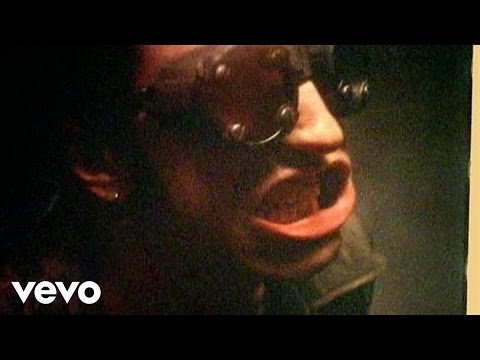
#9: “Angel of Death” by Slayer (1986)
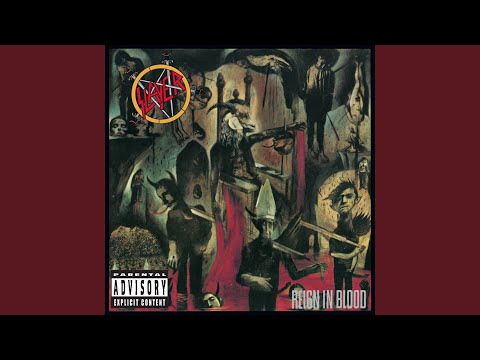
By the mid-1980s, thrash metal had begun shifting away from fantasy and toward harsher realities. “Angel of Death,” from Slayer’s Reign in Blood, pushed that transition to an extreme. Rather than mythology or metaphor, the song confronted listeners with historical horror drawn directly from real events.
Its lyrics reference Josef Mengele, the Nazi physician responsible for grotesque medical experiments at Auschwitz. The subject matter was grim and unflinching, delivered without overt moral commentary. That approach unsettled listeners, critics, and advocacy groups alike, who questioned whether the band was documenting atrocities or exploiting them.
Slayer repeatedly stated that the song was descriptive, not celebratory, but the controversy never fully subsided. “Angel of Death” remains one of metal’s most debated tracks — not for its sound, but for its willingness to stare directly into humanity’s darkest chapter without softening the view.
#8: “Illegal Alien” by Genesis (1984)
“Illegal Alien” remains one of the more baffling entries in Genesis’ catalog, particularly given the band’s reputation for thoughtful songwriting. At its core, the song was intended to comment on the frustrations of immigration bureaucracy, inspired by real difficulties people face when navigating visa systems in countries like the United States. On paper, the premise leaned toward empathy rather than mockery.
The controversy emerged in execution rather than intent. Phil Collins’ exaggerated vocal affectation struck many listeners as caricature rather than commentary. That discomfort was amplified by the song’s music video, which leaned into visual stereotypes that undermined the seriousness of the subject matter.
While Genesis likely intended satire, the result landed awkwardly. Over time, “Illegal Alien” has aged poorly, often cited as an example of how good intentions can be derailed by tone-deaf presentation. What once passed as lighthearted commentary now feels misaligned with its message.

#7: “Get Your Gunn” by Marilyn Manson (1994)
Marilyn Manson’s career is filled with moments that provoked outrage, but “Get Your Gunn” arrived before his public image had fully crystallized. In the early ’90s, songs like this unsettled parents and commentators who viewed Manson as a symbol of cultural decay. The track’s aggression and confrontational style immediately set it apart from mainstream rock.
Years later, the song became entangled in far more serious controversy. In the aftermath of the Columbine High School massacre, “Get Your Gunn” was cited by some critics as an influence, despite no direct connection. That association lingered, adding a tragic dimension to its reputation.
Ironically, the song itself addressed real-world violence — specifically the 1993 murder of abortion provider David Gunn. That context was often lost amid the panic surrounding Manson’s image. As a result, “Get Your Gunn” became a lightning rod for fear, misinterpretation, and moral outrage.

#6: “He Hit Me (And It Felt Like a Kiss)” by The Crystals (1962)
“He Hit Me (And It Felt Like a Kiss)” shocked listeners even at the time of its release. Unlike many controversial songs that are reevaluated retroactively, this one drew immediate backlash in 1962. Radio stations refused to play it, and audiences recoiled at its disturbing subject matter.
Written by Carole King and Gerry Goffin, the song’s premise was reportedly inspired by real accounts of abusive relationships. Phil Spector’s production only deepened the unease, creating a dark, echo-laden atmosphere that mirrored the lyrics’ emotional manipulation and violence.
Rather than fading quietly, the song became infamous. It remains one of pop music’s most unsettling artifacts — not because of shock tactics, but because of how plainly it presents themes of abuse and gaslighting within a seemingly sweet musical framework.

#5: “Sex Type Thing” by Stone Temple Pilots (1993)
“Sex Type Thing” put Stone Temple Pilots at the center of controversy just as they were breaking into the mainstream. The song’s menacing tone and aggressive lyrics were written from the perspective of a predatory character, not as an endorsement of that worldview. That distinction, however, was not immediately clear to many listeners.
Critics accused the band of glorifying sexual violence, prompting heated debate in the press. Scott Weiland was particularly frustrated by the reaction, later explaining that the song was meant as a critique rather than a confession. Still, the outrage proved difficult to contain once the narrative took hold.
In hindsight, the misunderstanding highlights the risks of writing from dark perspectives. “Sex Type Thing” remains one of the band’s most discussed tracks, remembered less for its musical impact than for the controversy surrounding how its message was received.

#4: “Money for Nothing” by Dire Straits (1985)
Most listeners are familiar with the radio-friendly version of “Money for Nothing,” but the original album cut tells a more complicated story. That version includes an extra verse featuring language that quickly became controversial. As a result, it has largely disappeared from radio rotation and live performances, replaced by the edited version most people know today.
Mark Knopfler has consistently framed the song as a character study rather than a personal statement. The lyrics are delivered from the perspective of a resentful, working-class narrator watching rock stars on MTV, and the offensive language reflects that character’s worldview. While that context explains the intent, it did little to soften the backlash.
Knopfler addressed the issue in a 1985 Rolling Stone interview and later altered the lyrics in live settings, substituting less offensive terms. Even so, the uncensored version remains a point of contention, illustrating how narrative distance doesn’t always shield a song from scrutiny once it enters the public sphere.

#3: “One in a Million” by Guns N’ Roses (1988)
Guns N’ Roses were no strangers to controversy by the late ’80s, but “One in a Million” marked a particularly volatile moment. Appearing on the band’s Lies album, the song stood out immediately for its raw, confrontational tone. Unlike their earlier provocations, this track felt less theatrical and far more personal.
The backlash centered squarely on Axl Rose’s lyrics, which were accused of promoting racism, misogyny, and homophobia. Rose defended the song as an expression of anger and alienation, but critics argued that context did little to justify the language used. The debate quickly overshadowed the music itself.
Decades later, “One in a Million” remains one of the band’s most disputed recordings. It’s often cited as a misstep that complicates Guns N’ Roses’ legacy, raising questions about where honesty ends and responsibility begins when anger is put to tape.

#2: “God Save the Queen” by Sex Pistols (1977)
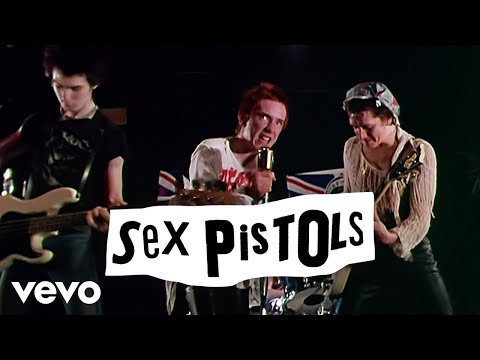
“God Save the Queen” was designed to provoke, and it succeeded almost instantly. Released during Queen Elizabeth II’s Silver Jubilee, the song took direct aim at the British monarchy with biting sarcasm and open disdain. It captured the frustration of a generation that felt excluded from the promises of post-war Britain.
The response was swift and severe. The BBC banned the song, and many retailers refused to stock it despite strong demand. Attempts were made to suppress its chart performance, though it still climbed near the top, becoming one of punk’s defining moments.
Rather than damaging the Sex Pistols, the controversy cemented their reputation. “God Save the Queen” didn’t just offend — it redefined what rock music could confront head-on. In doing so, it became a blueprint for punk’s unapologetic relationship with authority.
#1: “Cop Killer” by Body Count (1992)
When Ice-T formed Body Count, few expected one of hip-hop’s most outspoken figures to channel his anger through heavy metal. That decision became explosive with “Cop Killer,” a song that arrived during a period of intense tension between law enforcement and the public. Its title alone ensured immediate backlash.
The reaction was widespread and ferocious. Politicians, advocacy groups, and public figures condemned the song, framing it as a call to violence against police officers. Among the most vocal critics were President George H. W. Bush and actor Charlton Heston, whose public outrage helped fuel pressure on record labels and retailers.
Eventually, “Cop Killer” was pulled from store shelves and replaced with a censored version of the album. The substitute track, pointedly titled “Freedom of Speech,” underscored the debate at the heart of the controversy. To this day, “Cop Killer” stands as one of the most polarizing songs ever released — not just in rock, but in modern music history.