

20 Incredible Covers That Prove David Bowie’s Songs Live On
via "Broken Ridge Records" / YouTube
David Bowie’s catalog has never sat still. It moves, shifts, and invites reinterpretation, which is exactly why so many artists have been drawn back to it over the years. His songs don’t just belong to a moment or an era. They feel open, almost unfinished in the best way, leaving space for others to step in and reshape them without losing their core.
That kind of pull doesn’t happen by accident. Bowie spent decades pushing against expectations, blending styles, and refusing to settle into a single identity. Along the way, he inspired musicians across genres to take risks of their own. Even he understood the value of reinterpretation, having recorded covers of artists like Brian Wilson and Nina Simone, treating their work as something to explore rather than imitate.
What makes the best Bowie covers stand out is the balance they strike. Some lean into the original’s atmosphere, while others tear it apart and rebuild it from scratch. Either way, the strongest ones carry a sense of respect without hesitation. They don’t try to outshine Bowie. They respond to him. And in doing so, they prove that his songs are still alive, still evolving, and still finding new voices decades after they were first written.

1. “Heroes” by Choir! Choir! Choir! and David Byrne (2018)
There are certain songs in Bowie’s catalog that seem to invite reinterpretation, and “Heroes” sits at the very top of that list. It has been performed in countless ways over the years, but few versions lean so fully into its communal spirit as this one. Instead of spotlighting a single voice, it spreads the weight across hundreds.
That shift changes everything. When David Byrne joins Choir! Choir! Choir! for a mass singalong, the song stops feeling like a personal declaration and turns into something shared. Each voice blends into the next, building a wall of sound that mirrors the emotion of the original without trying to replicate its exact shape.
What makes this version work is its simplicity. There is no attempt to outdo Bowie, no dramatic reinvention. It trusts the song enough to let people carry it together, and that choice lands. The result feels warm, immediate, and surprisingly powerful in a way that only a room full of voices can deliver.

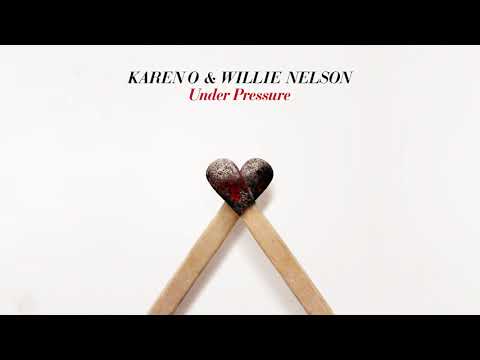
2. “Under Pressure” by Karen O and Willie Nelson (2012)
“Under Pressure” already carries a heavy legacy, thanks to Bowie’s original collaboration with Freddie Mercury. It is one of those rare duets where both voices push against each other without ever losing control. Reworking it means stepping into a space that feels almost untouchable.
Karen O and Willie Nelson take a different route. Rather than chase the original’s urgency, they slow it down and let it breathe. The tension softens into something more reflective, with Nelson’s laid-back delivery balancing Karen O’s sharper edges. It becomes less about confrontation and more about connection.
That contrast is what gives the cover its charm. It does not try to recreate the intensity of the original recording. Instead, it reshapes the song into something gentler, almost comforting, while still holding onto its core message. It proves that even a song this iconic can shift tone without losing its impact.
3. “Heroes” by King Crimson (2016)
It is no surprise that “Heroes” shows up again, especially in the hands of a band like King Crimson. Their history with the song runs deeper than most, largely due to guitarist Robert Fripp, who played on the original recording. That connection gives this version a different kind of weight.
When King Crimson revisit the track, they do not treat it as something delicate. The arrangement leans into their experimental edge, stretching the atmosphere and pushing the song into stranger territory. It feels familiar, but never predictable, as if the structure is constantly shifting beneath your feet.
There is a certain freedom in the way they approach it. Instead of preserving the original’s shape, they allow it to evolve in real time. The result lands somewhere between tribute and transformation, capturing the spirit of Bowie’s willingness to take risks while still honoring the song that started it all.

4. “Five Years” by Cowboy Junkies (1993)
“Five Years” has always carried a quiet kind of weight. As the opening track of The Rise and Fall of Ziggy Stardust and the Spiders from Mars, it sets the tone for everything that follows, building tension through detail rather than volume. It is a song that relies heavily on atmosphere, which makes it surprisingly flexible in the right hands.
Cowboy Junkies approach it with restraint. Their version strips away the theatrical urgency and replaces it with something more grounded, almost meditative. The pacing slows, the edges soften, and the focus shifts toward the emotional core of the lyrics rather than the looming sense of catastrophe.
That change gives the song a different perspective. Instead of watching the world unravel from a distance, it feels like standing still and taking it all in. The result is understated but effective, proving that sometimes pulling a song inward can reveal just as much as pushing it outward.

5. “I Can’t Give Everything Away” by Spoon (2021)
Covering material from Blackstar is a challenge most artists avoid, and it is easy to understand why. Those songs carry a sense of finality, shaped by Bowie’s awareness of his own mortality. They are deeply personal, layered, and not built for easy reinterpretation.
Spoon step into that space with care. Their take on “I Can’t Give Everything Away” does not try to untangle the original’s complexity. Instead, they hold onto its steady pulse and let the melody guide the arrangement, keeping the mood intact while adding their own subtle textures.
What stands out is the respect in their approach. There is no attempt to overplay or reinvent for the sake of it. They let the song breathe, allowing its quiet strength to come through. It feels less like a reinterpretation and more like a continuation, as if the track is still unfolding in a different voice.

6. “Lady Grinning Soul” by Tally Brown (1970s)
“Lady Grinning Soul” has always carried a sense of mystery. It closes Aladdin Sane with a dramatic, almost cinematic feel, driven by piano and Bowie’s distinctive phrasing. The song already sits in a theatrical space, which makes it a natural fit for a performer with a strong stage presence.
Tally Brown leans fully into that side of it. Her interpretation draws from classic cabaret traditions, reshaping the song with a tone that recalls performers like Marlene Dietrich. The delivery feels intimate but controlled, pulling the listener closer rather than overwhelming them.
One of the most interesting shifts comes from perspective. By inhabiting the song differently, Brown gives it a new voice, one that feels more personal and immediate. It does not replace the original’s mystique, but it adds another layer to it, showing how the same song can carry a completely different emotional weight.

7. “Space Oddity” by The Langley School Music Project (1976 / reissued 2000)
There is something immediately disarming about hearing a group of children take on a song as iconic as “Space Oddity.” The Langley School Music Project does not approach it with polish or precision. Instead, it leans into raw emotion, which ends up giving the track an entirely different kind of gravity.
Under the direction of teacher Hans Fenger, the performance avoids anything that feels staged or overly sweet. The voices drift slightly out of sync, the delivery feels unguarded, and that imperfection becomes the point. It transforms the song from a dramatic space narrative into something more fragile and human.
That shift lands in a way few covers manage. The loneliness at the heart of the original becomes even more pronounced, almost unsettling at times. It is no surprise that David Bowie himself admired it. The version feels less like a reinterpretation and more like a glimpse into the song’s emotional core, stripped of everything else.

8. “Heroes” by Blondie (1980)
Blondie’s relationship with “Heroes” came early, not long after Bowie and Brian Eno released the original. It started as a live staple, worked into their sets during a period when both artists were moving through similar creative spaces.
When the band brought the song to the stage, it carried a different kind of energy. Debbie Harry delivered it with a cool, controlled presence, trading some of the original’s urgency for a steadier, more grounded tone. The arrangement stayed close enough to remain recognizable, but the attitude felt distinctly their own.
What makes this version memorable is its timing. It arrived when Bowie’s influence was still unfolding, not long after the song’s release. Rather than looking back, Blondie treated it as something current, almost immediate. That closeness to the source gives the cover a sense of authenticity that still holds up.

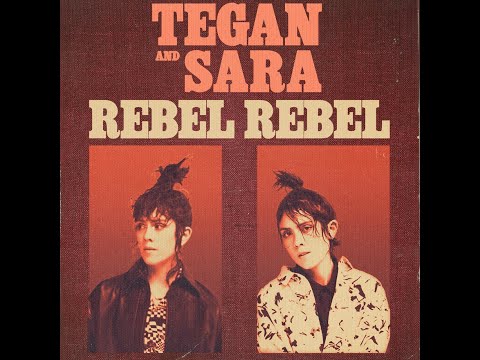
9. “Rebel Rebel” by Tegan and Sara (2003)
“Rebel Rebel” does not need much explanation. It is built on a simple, driving riff and a chorus that sticks instantly. That directness gives artists room to play with tone without losing what makes the song work in the first place.
Tegan and Sara take advantage of that flexibility. Their version leans into bright, punchy pop textures, shifting the song away from its gritty glam rock roots and into something lighter on its feet. The energy stays intact, but the mood becomes more playful.
That approach pays off because it does not fight the original. It keeps the core intact while changing the surface just enough to feel fresh. The result is a cover that feels effortless, the kind you can drop into a playlist without overthinking it, and it holds its own every time.
10. “Ashes to Ashes” by Warpaint (2010)
“Ashes to Ashes” marked one of Bowie’s boldest shifts. It revisited Major Tom, but instead of celebrating the character, it quietly dismantled him. The song carries a strange blend of elegance and unease, wrapped in a pop structure that feels deceptively light. That tension makes it difficult to reinterpret without losing what gives it its pull.
Warpaint approach the track by leaning into mood rather than structure. Their version slows the pulse just enough to let the atmosphere expand, building a hazy, almost hypnotic sound. The sharp edges of the original soften into something more fluid, with textures that drift rather than hit directly.
That choice gives the song a new perspective. Instead of feeling like a statement, it feels like a lingering thought that refuses to settle. Warpaint do not try to outshine the original or reshape it entirely. They let it breathe in their own space, proving that even one of Bowie’s most layered songs can evolve without losing its identity.

11. “Heroes” by Oasis (1997)
Oasis built their name on confidence, and that same attitude carries into their take on “Heroes.” From the moment it begins, there is a sense that they are not intimidated by the song’s legacy. Instead, they lean into it, treating it as something to inhabit rather than something to preserve.
Liam Gallagher delivers the vocal with a rough, grounded tone that shifts the song’s perspective. Where Bowie’s version builds toward a dramatic release, Oasis keep things more direct, letting the emotion come through in a steady, unpolished way. The guitars follow suit, giving the track a fuller, more traditional rock presence.
What makes this version work is the balance it strikes. You can hear the admiration clearly, especially in how closely they stay to the song’s core. At the same time, they never disappear into imitation. It feels like Oasis carrying the message forward in their own voice, turning “Heroes” into something that fits just as naturally in their world.

12. “The Man Who Sold the World” by Lulu (1974)
Lulu’s version of “The Man Who Sold the World” arrived at a moment when Bowie’s influence was spreading quickly across the music landscape. Even with Bowie involved behind the scenes, the performance takes on a life of its own, shaped by a different tone and a more theatrical approach.
Her interpretation leans into drama and atmosphere. The arrangement carries a darker, cabaret-inspired edge, trading the original’s restrained tension for something more expressive. Each line is delivered with intention, allowing the song’s sense of mystery to build gradually rather than unfold all at once.
That shift gives the track a distinct identity. It does not feel like a simple reinterpretation or a companion piece. It feels like the same story told from a different angle, with a heavier emotional weight. It may not be the most talked-about version, but it lingers in a way that proves how adaptable Bowie’s writing could be.

13. “I’m Afraid of Americans” by Nine Inch Nails (2009)
Trent Reznor’s connection to Bowie goes beyond influence. It shaped the way he approached sound, identity, and even performance. When Nine Inch Nails take on “I’m Afraid of Americans,” it feels like a natural extension of that relationship, not just a one-off tribute. The song already carried a sharp edge in Bowie’s hands, but Reznor pushes it further into his own territory.
The band leans into the track’s tension and strips away any lingering sense of detachment. Where Bowie’s version had a cool, almost observational tone, Nine Inch Nails make it feel more immediate and claustrophobic. The electronics hit harder, the pacing feels tighter, and the atmosphere becomes more oppressive as it unfolds.
That approach fits the song’s theme. Its commentary on cultural expansion and identity feels even more pointed when delivered with this level of intensity. Instead of softening the message, Reznor sharpens it, turning the track into something that feels less like a warning and more like a confrontation. It keeps Bowie’s intent intact while amplifying its impact.

14. “Heroes” by Depeche Mode (2017)
Depeche Mode had lived with “Heroes” long before they recorded their version of it. The song had been part of their live shows, something they returned to over the years, which gave their eventual studio take a sense of familiarity. It does not feel rushed or opportunistic. It feels considered.
Dave Gahan approaches the vocal with control rather than intensity. He holds back where Bowie pushed forward, allowing the emotion to build slowly instead of arriving all at once. The band surrounds him with a dark, electronic arrangement that feels unmistakably theirs without overwhelming the core of the song.
What makes this version stand out is its restraint. It does not try to outdo the original or dramatically reshape it. Instead, it sits in its own space, reflecting both Bowie’s influence and Depeche Mode’s identity. The result feels like a quiet acknowledgment rather than a grand statement, and that choice gives it lasting weight.

15. “Space Oddity” by The Smashing Pumpkins (2013)
“Space Oddity” has always been tied to a sense of distance. Bowie’s original version drifts, creating an atmosphere that feels suspended between isolation and wonder. It is delicate in its construction, which makes any heavier reinterpretation a risk.
The Smashing Pumpkins move in the opposite direction without losing the song’s emotional core. Their version replaces the lightness with density, building the track around layered guitars and a more grounded rhythm. Billy Corgan brings a sharper, more anxious vocal that shifts the tone away from quiet reflection.
That shift gives the song a different kind of presence. Instead of floating through space, it feels anchored, almost pressing in from all sides. The loneliness is still there, but it comes across with more weight and urgency. It is the kind of cover that does not try to imitate the original atmosphere, choosing instead to rebuild it in a way that fits the band’s own world.
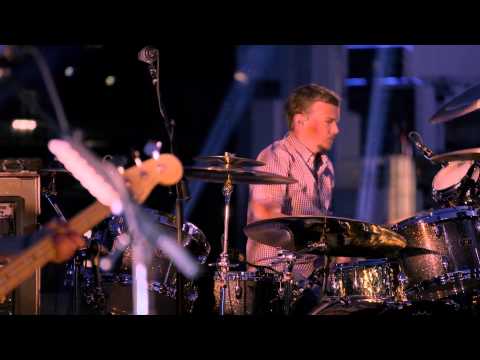
16. “Ziggy Stardust” by Bauhaus (1982)
Bauhaus never hid their admiration for Bowie, and “Ziggy Stardust” feels like the most direct way they could show it. The song itself already carries a strong identity, tied closely to Bowie’s glam-era persona, which makes it a bold choice to reinterpret. It is not the kind of track you casually take on without bringing something of your own to it.
The band leans into their darker aesthetic while keeping the song’s swagger intact. Peter Murphy delivers the vocal with a dramatic edge, stretching the phrasing in ways that shift the mood without losing the core energy. The guitars feel sharper, more angular, pulling the track closer to post-punk than glam rock.
What makes the cover land is its confidence. Bauhaus do not try to soften their style to match Bowie’s original tone. They meet the song on their own terms, blending theatrical flair with a colder, more shadowed sound. It feels like a natural crossover point between two movements, showing how Bowie’s influence could stretch into entirely different scenes.

17. “Moonage Daydream” by The White Stripes (1997)
“Moonage Daydream” is one of those songs that thrives on excess. The original bursts with glam energy, built around bold riffs and a sense of unrestrained performance. Taking that and reshaping it into something new requires a different kind of instinct, especially for a young band still finding its identity.
The White Stripes approach it from a raw, stripped-down angle. Early in their career, they lean into the song’s underlying structure rather than its theatrical surface. Jack White pushes the guitar forward, letting it snarl and stretch while the arrangement stays deliberately loose.
That roughness ends up being the point. Instead of trying to recreate Bowie’s glam spectacle, they pull the song back to its blues roots. You can hear the beginnings of what the band would become, with the intensity and minimalism already in place. It feels less like a tribute and more like a young band testing how far they can push a classic.

18. “Young Americans” by The Cure (live performance, 2000s)
“Young Americans” sits in a different corner of Bowie’s catalog. It draws heavily from soul and R&B, carrying a smoother, more polished feel compared to his earlier work. That makes it an interesting choice for a band like The Cure, whose early material often leaned toward darker, more introspective territory.
Robert Smith approaches the song with clear admiration, but he does not try to mirror its original tone. Instead, the band filters it through their own sensibility, softening some of the groove while adding a more reflective atmosphere. The pacing feels slightly more restrained, giving the song a different emotional weight.
What stands out is the connection between the artists. Bowie’s influence on Smith has been well documented, and that history shows in the performance. It feels less like a reinvention and more like a conversation between two styles. The result highlights how Bowie’s work could resonate even in spaces far removed from its original sound.

19. “Sound and Vision” by Beck (2013)
Beck’s take on “Sound and Vision” is less a cover and more an event. Performed for a small, invited audience, the setup alone pushed the idea beyond a standard reinterpretation. A rotating stage, a full orchestra, and musicians arranged in a circle turned the performance into something immersive rather than simply auditory.
The structure of the song itself becomes part of the experiment. Instead of following a straightforward flow, the arrangement fractures and rebuilds in real time. Instruments fade in and out depending on their position, creating a shifting soundscape that surrounds the listener. It is disjointed in places, but deliberately so, as if the song is being taken apart and reassembled piece by piece.
What makes it compelling is the risk. It is not the most practical or accessible version of the track, but that is the point. Beck treats Bowie’s work as something to explore rather than preserve, pushing it into a space that could only exist in that moment. The result feels ambitious, strange, and completely in line with Bowie’s own spirit of experimentation.

20. “The Man Who Sold the World” by Nirvana (1993)
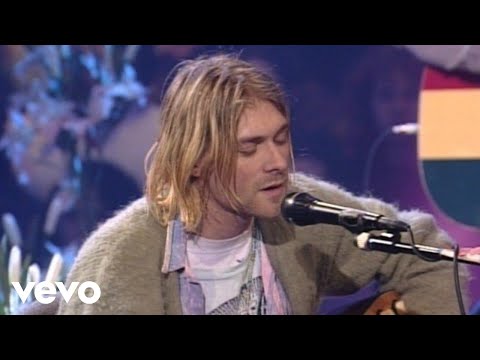
Nirvana’s version of “The Man Who Sold the World” has taken on a life of its own over the years. Performed during their MTV Unplugged session, it introduced the song to a new generation, many of whom encountered it without knowing its origins. That alone says something about how fully the band made it their own.
Kurt Cobain approaches the vocal with a quiet intensity that shifts the song’s tone. Where Bowie’s original carries a sense of detachment, Cobain brings it closer, making it feel more personal and immediate. The stripped-back arrangement supports that change, leaving space for the lyrics to sit front and center.
That simplicity is what gives the cover its staying power. It does not rely on reinvention or dramatic changes. It leans into honesty, allowing the song’s themes to resonate in a different way. Even Bowie himself recognized that quality, noting how direct and sincere the performance felt. It remains one of the clearest examples of how a great song can live beyond its original form.