

3 Classic Rock Albums That Beat the “Second Album Curse”
via "Led Zeppelin" / YouTube
A debut album can feel like a lifetime’s worth of ideas poured into one moment. Bands spend years building those songs, shaping their identity, and figuring out who they are. When that first record lands, it often carries everything they’ve got. What comes next is where things get complicated.
The second album arrives with pressure that didn’t exist before. Expectations grow, audiences pay closer attention, and the room for experimentation can shrink fast. Some artists stumble under that weight, delivering records that feel rushed or unsure of themselves. That’s why the so-called “second album curse” has followed rock music for decades.
Still, there are moments when that pressure sharpens rather than breaks a band. Instead of repeating themselves, a few artists step forward with something more confident, more focused, and sometimes even more daring than their debut. The albums ahead fall into that category, proving that the second chapter can hit just as hard, if not harder, than the first.
The Freewheelin’ Bob Dylan by Bob Dylan (1963)
There’s a reason people often point to this record as the moment Dylan fully arrived. His 1962 debut leaned heavily on traditional material, but this follow-up shifts the focus almost entirely to original songwriting. That change alone signals a leap in confidence. Instead of interpreting the past, Dylan starts shaping the present, and the results feel immediate and personal.
The songs carry a weight that goes beyond simple folk revival. “Blowin’ in the Wind” became a defining anthem of the civil rights era, while “A Hard Rain’s a-Gonna Fall” captured a sense of unease that mirrored the times. Even quieter moments like “Don’t Think Twice, It’s All Right” show a songwriter capable of turning everyday emotion into something lasting. There’s a clarity in his voice, both lyrically and musically, that wasn’t as fully formed before.
What makes the album stand out as a second effort is how natural the growth feels. Nothing here sounds forced or calculated to meet expectations. Instead, it plays like an artist discovering his own language in real time. That sense of discovery keeps the record alive decades later, making it one of the strongest sophomore statements in rock history.

Axis: Bold As Love by The Jimi Hendrix Experience (1967)
By the time this album arrived, Jimi Hendrix had already shaken up the guitar world with his debut. The challenge was following that impact without repeating it. Instead of leaning harder into raw blues-rock, this record expands outward, pulling in psychedelic textures and more layered arrangements. It feels broader in scope without losing the intensity that made him stand out.
Tracks like “Spanish Castle Magic” and “If Six Was Nine” push the boundaries of what a rock song could sound like at the time. Then there’s “Little Wing,” which shows a completely different side of Hendrix. It’s brief, almost delicate, yet packed with emotion and subtlety. That balance between power and restraint gives the album its depth, making it more than just a showcase for technical skill.
As a second album, it proves that Hendrix wasn’t a one-note phenomenon. He could evolve quickly and take risks without losing his identity. Even with his career cut short, this record alone shows how far he was willing to go artistically. It doesn’t just follow up a breakthrough, it expands on it in ways that still feel fresh.

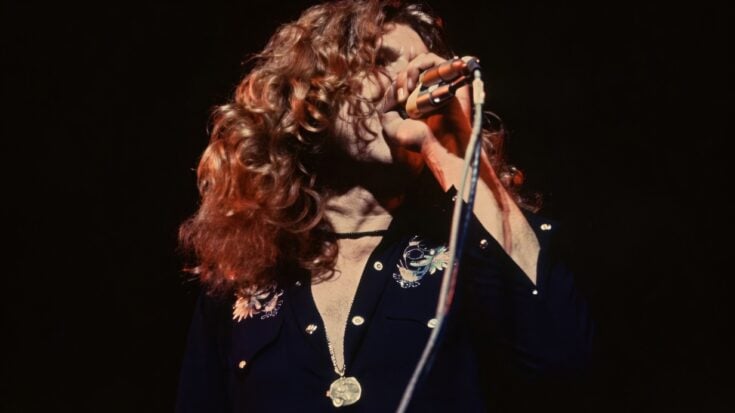
Led Zeppelin II by Led Zeppelin (1969)
Led Zeppelin didn’t waste time building momentum. Their debut made a strong impression, but the second album tightens everything and pushes it further. Recorded while the band was constantly on the road, the sessions carry a raw, almost restless energy. That urgency translates directly into the sound, giving the record a sharper edge.
“Whole Lotta Love” opens things with a statement that’s impossible to ignore, blending heavy riffs with studio experimentation. From there, songs like “Ramble On” and “Bring It On Home” show the band’s range, mixing acoustic textures with hard-driving blues. Each member locks in with a level of confidence that feels earned, not rushed.
The album’s success as a sophomore release comes from how it builds on the debut without repeating it. It refines their approach while expanding their sound, setting the stage for what they would become in the following decade. Rather than falling into the trap of trying to outdo their first effort, they focused on sharpening their identity, and that made all the difference.