
10 Double Albums That Proved Bigger Can Be Better
via "NEA ZIXNH" / YouTube
There’s always been a tension surrounding double albums. Sometimes they arrive with suspicion, seen as label-driven excess or artists stretching ideas past their limit. Other times, they feel like something that simply couldn’t fit within a single record, a project too ambitious, too restless, or too personal to be trimmed down without losing its identity.
Across rock and pop history, many artists have used the double album format as a turning point rather than a gimmick. When the timing is right, the extra space allows for risks that would not survive a tighter tracklist. It opens the door for stylistic detours, deeper storytelling, and moments that feel less concerned with radio appeal and more focused on capturing where the artist stands at that exact moment.
What makes these records endure is not just their length, but what artists choose to do with it. Some become sprawling statements that map out an entire creative phase, while others balance experimentation with defining songs that shape their legacy. At their best, double albums show that more can actually mean better, not because of quantity alone, but because the format gives great ideas the room they need to fully land.

Electric Ladyland by The Jimi Hendrix Experience (1968)
By the time Jimi Hendrix reached Electric Ladyland, he was no longer just pushing boundaries, he was redefining what a studio album could hold. This was his final release with the Experience, and it carries the weight of an artist who had outgrown every expectation placed on him in just two years. The scope alone signals something different, a project that feels less like a band record and more like a wide-open creative statement.
The album moves freely between styles without ever sounding scattered. Blues roots sit next to psychedelic explorations, while funk rhythms and layered studio effects pull the music into new territory. Hendrix also welcomed outside musicians into the sessions, which adds a loose, almost communal feel to parts of the record. That openness helped expand the sound rather than dilute it.
What makes the double format work here is how naturally the ideas unfold. Nothing feels stretched for the sake of filling space. Instead, the extra room allows Hendrix to experiment with structure, tone, and mood in ways a single LP could never contain. The result is a record that feels immersive from start to finish, capturing an artist operating without limits.
Sign “O” the Times by Prince (1987)
Coming off a period that did not quite land the way he intended, Prince responded with one of the most ambitious releases of his career. Sign “O” the Times began as something even bigger before being shaped into a double album, and that sense of scale never disappeared. It plays like a snapshot of everything he could do at once, without settling into a single direction.
The range across the two discs is striking. One moment leans into stripped-down social commentary, while the next shifts into polished pop or extended band-driven grooves. Members of the Revolution appear here and there, but much of the album carries a solo energy, with Prince handling large parts of the instrumentation himself. That mix of isolation and collaboration gives the record a distinct texture.
Its length becomes part of its strength. Instead of narrowing his ideas, Prince lets them coexist, even when they contrast sharply. That freedom keeps the album unpredictable but focused in its own way. Over time, it has come to represent not just a comeback, but a peak where ambition and execution finally meet.
Tusk by Fleetwood Mac (1979)
Following the massive success of Rumours, Fleetwood Mac faced a choice: repeat what worked or move somewhere less comfortable. With Tusk, the band chose the latter, largely guided by Lindsey Buckingham’s vision. The result was a double album that felt deliberately out of step with expectations from the start.
The record shifts between polished pop moments and more experimental pieces that break from the band’s established sound. Buckingham’s production choices lean into raw textures and unconventional arrangements, while the rest of the group contributes songs that feel more familiar. That contrast creates a push and pull across the album that keeps it engaging.
Initial reactions were mixed, especially given how different it sounded from what came before. Over time, though, Tusk has been reevaluated as something more daring than misguided. The double format gave the band space to take risks without abandoning their identity entirely, and that balance is what gives the album its lasting appeal.
At Fillmore East by The Allman Brothers Band (1971)
Live albums often try to capture a moment, but At Fillmore East feels like it stretches that moment into something larger. Recorded over two nights in New York, the performances show a band that had already sharpened its identity on the road. By this point, The Allman Brothers Band were not just playing songs, they were reshaping them in real time.
The extended jams are where the album truly comes alive. Tracks evolve far beyond their studio versions, opening up space for improvisation and interplay between guitars, keys, and rhythm section. The musicians move as a unit, yet each member finds room to push outward, creating passages that feel spontaneous but never unfocused.
The double album format is essential here. It allows those long explorations to breathe without cutting them down for convenience. The result is a live record that does more than document a concert, it defines what the band was capable of at full strength, with performances that still feel immediate decades later.
The Wall by Pink Floyd (1979)
Tension within Pink Floyd had been building for years, and The Wall channels that strain into something highly structured and deeply personal. Driven largely by Roger Waters, the album turns inward, exploring themes of isolation, fame, and emotional distance. It unfolds less like a collection of songs and more like a continuous narrative.
The concept gives the record a theatrical quality. Characters, motifs, and recurring ideas tie everything together, creating a sense of progression from beginning to end. Musically, it balances quieter, introspective moments with larger, more dramatic sections, giving the story a dynamic shape that keeps it moving forward.
Its scale is what makes it work. The double LP provides the space needed to develop the storyline without rushing it. Over time, The Wall has come to represent one of the most ambitious statements in rock, blending music, storytelling, and visual ideas into a project that extends far beyond the album itself.
Physical Graffiti by Led Zeppelin (1975)
With Physical Graffiti, Led Zeppelin approached the double album from a different angle. Rather than building a single concept, they assembled a wide-ranging collection that mixed new material with earlier recordings that had not yet found a home. The result feels expansive without being tied to one direction.
The variety across the record is part of its appeal. Heavy, riff-driven tracks sit alongside more atmospheric pieces, while blues influences and progressive elements surface throughout. Even with its shifting styles, the band maintains a sense of cohesion, anchored by their distinct sound and chemistry.
The extra length allows these contrasts to exist without forcing them into a tighter mold. Instead of trimming down, the band embraces the breadth of their ideas, giving each track space to stand on its own. That approach turns Physical Graffiti into more than a collection of songs, it becomes a full portrait of what the band could do at that stage of their career.
London Calling by The Clash (1979)
By their third album, The Clash were already pushing against the limits of what punk was supposed to be. London Calling marks the point where they fully stepped outside that label, bringing in producer Guy Stevens to help shape a broader, more adventurous sound. The result feels less like a reinvention and more like a natural expansion of everything they had been building toward.
The range across the record is striking without ever feeling scattered. Punk energy still drives many of the songs, but it blends seamlessly with reggae rhythms, rockabilly touches, and moments drawn from soul and pop. Each shift in style feels intentional, giving the album a sense of movement that keeps it engaging from one track to the next.
What makes the double format work here is how effortlessly it holds together. Even with its wide scope, nothing feels unnecessary or out of place. London Calling plays like a complete statement, where variety becomes a strength rather than a distraction, proving that ambition and focus can exist side by side.
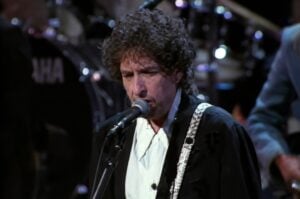
Blonde on Blonde by Bob Dylan (1966)
During a remarkably productive stretch in the mid-1960s, Bob Dylan released a series of albums that reshaped popular music. Blonde on Blonde arrived at the end of that run, building on the momentum of the records that came just before it. By this point, Dylan had fully embraced electric instrumentation, blending it with his evolving lyrical style.
The album carries a loose, almost surreal quality, with songs that feel both spontaneous and carefully constructed. Backed by skilled session musicians, Dylan moves between humor, introspection, and abstract storytelling without settling into a single tone. The performances have an immediacy that adds to the record’s lasting appeal.
Its length allows that creative streak to unfold without interruption. Rather than tightening the material, the double LP gives Dylan space to explore different moods and ideas across four sides. Over time, Blonde on Blonde has come to be seen as one of his defining works, capturing a moment when his songwriting and sound aligned at their peak.
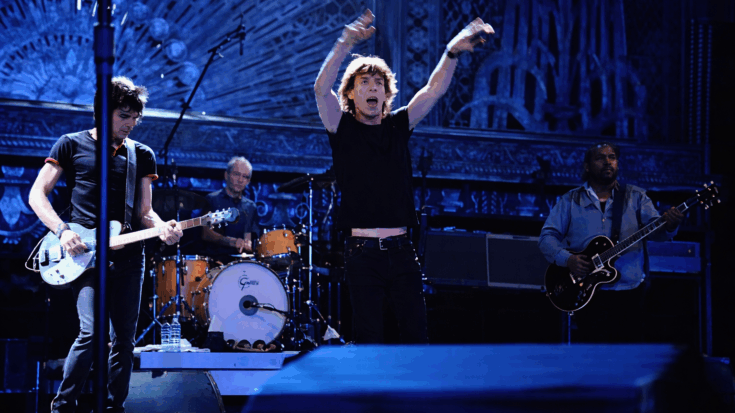
Exile on Main St. by The Rolling Stones (1972)
There’s a worn, shadowy feel running through Exile on Main St., shaped as much by its surroundings as the band’s state of mind. The Rolling Stones recorded much of the album in a rented villa in the south of France, far from the usual studio environment. The sessions were loose, unpredictable, and often chaotic, and that atmosphere seeps into every corner of the record.
The songs move through blues, rock, gospel, and country without drawing clear lines between them. Instead of polished clarity, the album leans into a murkier sound, where instruments blend together and vocals feel half-buried in the mix. That roughness gives the music a lived-in quality, as if it was captured rather than carefully assembled.
Its length helps build that world. Across two LPs, the album unfolds like a long, late-night stretch where moods shift but the tone remains consistent. Rather than chasing perfection, the band lets the imperfections shape the record, turning Exile on Main St. into one of their most enduring and fully realized works.
The Beatles by The Beatles (1968)
By 1968, the unity that once defined The Beatles was beginning to loosen, and that tension plays a role in The Beatles, often called the White Album. The sessions stretched over several months, with each member bringing in material that reflected their own direction. Instead of a single, shared vision, the album becomes a collection of individual voices held together under one name.
That variety is part of what gives the record its character. Styles shift dramatically from one track to the next, moving from stripped-down acoustic pieces to heavier, more aggressive songs. The changes can feel abrupt, but they also highlight how far the band’s creativity had expanded by this stage.
The double album format makes room for all of it. Rather than narrowing their ideas, the band allows each song to exist on its own terms, even when they clash with what comes before or after. Over time, the White Album has come to represent a moment where fragmentation did not weaken the music, but instead pushed it into new and unexpected territory.