

Rock Legends Who Were Banned From Entire Countries
via "The Beatles" / YouTube
Everyone has drawn a line somewhere when it comes to music. Not just a passing dislike, but a full-on rejection of a band or artist that grates enough to make you wish they would disappear from the airwaves entirely. It is usually harmless, the kind of opinion that lives in group chats or late-night conversations, far removed from any real consequences.
That line looks very different when it lands in the hands of people with actual authority. Governments have, at times, decided that certain musicians were more than just unpopular. They were seen as disruptive, controversial, or simply incompatible with the image a country wanted to project. And unlike personal taste, those decisions came with real weight, shutting doors, canceling shows, and keeping artists off entire maps.
Rock history is filled with moments where that clash became public and impossible to ignore. Bands have been turned away at borders, blacklisted over lyrics, or singled out for their image and behavior. Sometimes it was about politics, other times about morality, and occasionally something as trivial as appearance. Whatever the reason, these bans left a mark, shaping careers and adding another layer to the already unpredictable story of rock and roll.
Led Zeppelin Turned Away in Singapore Over Long Hair
Order and control have long shaped public life in Singapore, and that mindset extended even into the realm of music. During the early 1970s, authorities were determined to keep counterculture influences at bay, especially anything that looked like it belonged to the growing wave of Western rock rebellion. For them, long hair was not just a fashion choice. It was a symbol of everything they were trying to keep out.
When Led Zeppelin arrived in 1972, they were already one of the biggest bands in the world. Traveling in style on their own jet, they expected to add another stop to their global run. Instead, they were stopped almost immediately after landing. Before they could properly enter the country, they were turned around and sent straight back to London, their visit ending before it even began.
The reason was surprisingly simple. Singapore had strict rules targeting men with long hair, aiming to discourage what officials saw as “undesirable” cultural influence. The band’s signature look made them instant targets, and no amount of fame could override that policy. Decades later, Robert Plant would return to perform in the country, but that brief 1972 encounter remains one of the strangest examples of a band being rejected purely for how they looked.
Cannibal Corpse Banned in Russia for Violent Imagery
Heavy music has always pushed boundaries, but Cannibal Corpse built an entire identity around doing exactly that. Their album artwork and lyrics lean heavily into shock value, often crossing lines that many mainstream audiences would never approach. In most places, that reputation simply comes with controversy. In Russia, it led to something more severe.
During their 2014 tour, several scheduled shows were abruptly cancelled, including major stops in Moscow and St. Petersburg. Authorities and local groups raised concerns about the band’s content, claiming it promoted violence and posed a risk to public order. The situation escalated to the point where not just performances, but even visual materials like album covers and translated lyrics were targeted.
The irony was hard to ignore. A country with its own complicated relationship with conflict took a hard stance against a band known for theatrical brutality. Still, the decision reflected a broader effort to control what could be publicly displayed or consumed. For Cannibal Corpse, the ban only added to their notoriety, turning a disrupted tour into another chapter of their already controversial legacy.

Fred Durst Barred from Ukraine Over Political Support
Not every ban comes from music alone. Sometimes, it is what an artist says or supports that closes borders. Fred Durst found himself in that situation after publicly aligning with actions tied to Vladimir Putin, particularly during the tense period surrounding Crimea.
Following Russia’s annexation of the region in 2014, reports surfaced that Durst was interested in spending time there, even considering property and creative projects in the area. That move was widely seen as lending support, directly or indirectly, to a highly sensitive geopolitical situation. For Ukraine, it crossed a line.
Authorities responded with a five-year ban, citing security concerns and the potential influence of his presence. It was a reminder that musicians do not operate in a vacuum. Their actions offstage can carry just as much weight as their performances. In Durst’s case, the consequences followed him beyond Ukraine, affecting opportunities elsewhere and tying his public image to a much larger political conflict.
The Beatles Blocked from Israel Amid Cultural Concerns
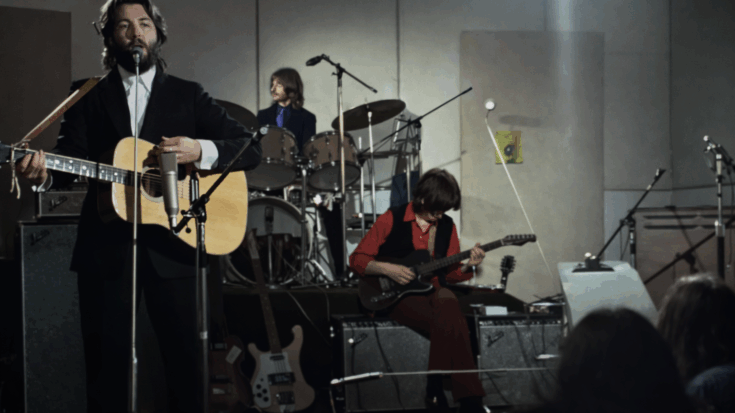
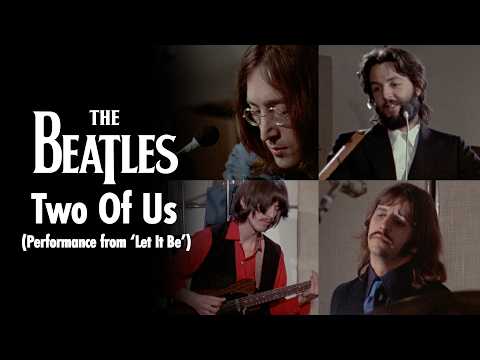
At the height of Beatlemania, The Beatles were conquering nearly every corner of the world. Their absence from Israel in the 1960s, then, feels like a strange gap in an otherwise unstoppable rise. It was not due to a lack of interest from fans, but rather hesitation from officials who were unsure about what the band might bring with them.
Concerns ranged from doubts about the group’s artistic value to fears that their concerts would spark chaos among young audiences. At the same time, there were behind-the-scenes conflicts between promoters competing for the opportunity to host the band. That mix of cultural caution and industry rivalry created just enough friction to halt the plan altogether.
Decades later, the decision still lingered as a curious footnote in music history. In 2008, the Israeli government formally apologized, acknowledging the missed opportunity. By then, it was far too late for a full reunion, though individual members would eventually perform for Israeli audiences, offering a delayed glimpse of what might have been.
Elton John Barred from Egypt After Controversial Remarks
By the time the 2010s arrived, Elton John had long embraced his identity in full view of the public. His career had already moved beyond chart success into something closer to cultural icon status, built on decades of music and an unapologetic personal life. That openness, however, did not sit well everywhere.
In Egypt, plans for a performance were shut down after backlash over comments he had made in an earlier interview. His suggestion about the sexuality of Jesus stirred outrage among religious groups, and pressure quickly mounted for authorities to act. The issue was less about the music and more about what his presence represented in a society with strict cultural and religious expectations.
The resulting ban highlighted a deeper tension. While international stars might move freely and express themselves without much consequence, local communities often live under far tighter restrictions. Elton John’s situation became another example of how celebrity status can both protect and provoke, depending on where the spotlight lands.
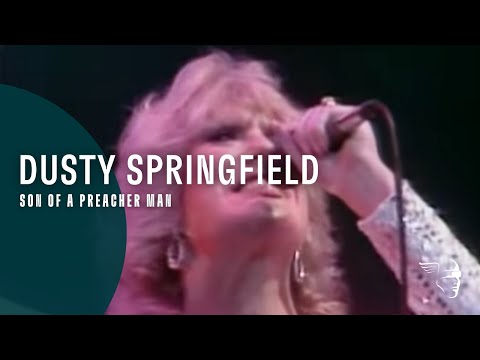
Dusty Springfield Expelled from South Africa for Defying Apartheid
During the apartheid era, visiting artists to South Africa were expected to follow strict rules that enforced racial segregation. Many complied without protest, treating it as part of the cost of touring. Dusty Springfield chose a different path.
At the height of her success in the mid-1960s, she included a clause in her contracts refusing to perform for segregated audiences. It was a quiet but firm stance, one that challenged the system without turning her tour into a public spectacle. For a time, the arrangement held, and some shows went ahead under those conditions.
Eventually, authorities stepped in and cut her visit short, giving her and her team little time to leave the country. The decision effectively banned her from continuing the tour, but it also cemented her reputation as someone willing to risk opportunity for principle. Years later, as apartheid fell and a new chapter began under leaders like Nelson Mandela, her stance looked less like defiance and more like foresight.
Bob Dylan’s Protest Reputation Keeps Him Out of China
By 2010, Bob Dylan was no longer just a musician. He had become a symbol of a certain kind of songwriting, one tied to protest, social commentary, and questioning authority. That reputation followed him everywhere, including into countries where those themes were not exactly welcome.
When plans were made for shows in China, authorities stepped in and blocked performances in major cities like Beijing and Shanghai. Songs such as “Blowin’ in the Wind,” long associated with civil rights and anti-establishment thinking, were seen as potentially disruptive. Even decades after their release, those messages still carried enough weight to raise concern among officials.
Dylan eventually returned the following year, but under stricter conditions. Setlists had to be approved in advance, and the more politically charged material was noticeably absent. The compromise drew criticism from fans who expected more resistance, yet it also showed how even the most independent artists can find themselves navigating limits when access is on the line.
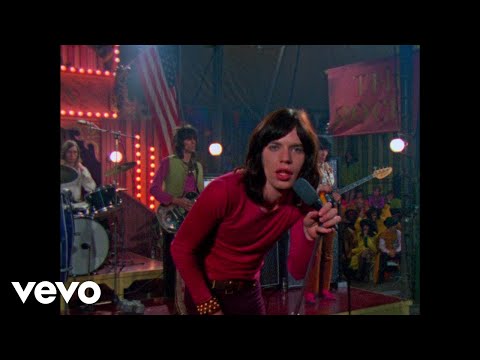
Mick Jagger’s Drug Record Blocks The Rolling Stones from Japan
Reputation has always been part of the appeal of The Rolling Stones, and their image in the early 1970s leaned heavily into excess. That edge helped define their music, but it also created problems when it came to international travel. In this case, it all came down to the past of one man.
When the band planned a 1973 tour in Japan, visa issues quickly derailed everything. Mick Jagger had prior drug convictions, and Japanese authorities were strict about denying entry on those grounds. The decision effectively shut down the tour before it could begin, leaving fans disappointed and promoters scrambling.
The setback did not last forever, but it lingered for years. The Stones eventually made it to Japan in 1990, playing massive shows to audiences that had been waiting nearly two decades. By then, the controversy had only added to their mystique, turning what was once a barrier into another piece of their long, unpredictable story.
The Kinks Banned from the U.S. After Chaos Behind the Scenes
Breaking into the American market was a major goal for British bands in the 1960s, but for The Kinks, that opportunity slipped away almost as quickly as it arrived. Their early success suggested they would follow the same path as their peers, building momentum across the Atlantic and turning hits into long-term dominance.
Instead, their U.S. tour unraveled through a mix of tension, poor organization, and bad decisions. Disputes with promoters, erratic performances, and a growing reputation for being difficult to manage all added fuel to the fire. A backstage altercation involving union officials ultimately tipped things over the edge, giving authorities a reason to act.
The result was a four-year ban from performing in the United States, cutting them off from one of the most important audiences in the world. While other British acts surged ahead, The Kinks were forced to regroup at home, reshaping their sound and identity during that absence. It became a turning point, though not one they would have chosen.

Venezuelan Government Blacklists Artists Over Political Opposition
Music and politics have always collided, but in Venezuela, that clash became official policy. Under Nicolás Maduro, the government moved beyond criticism and into outright restriction, targeting artists who publicly opposed the regime or supported its critics.
In 2025, authorities announced a list of performers who would no longer be allowed to enter or perform in the country. The decision included several well-known Latin artists, particularly from neighboring countries, many of whom had participated in benefit concerts or voiced support for opposition movements. The message was clear: public dissent would carry consequences, even for international stars.
The ban reflected a broader effort to control cultural influence during a period of political strain. Instead of music serving as a bridge between audiences, it became another battleground. For those affected, it meant losing access to fans. For the government, it was a way to draw a firm line between entertainment and loyalty.