

The Track That Defines Bob Dylan’s Legacy
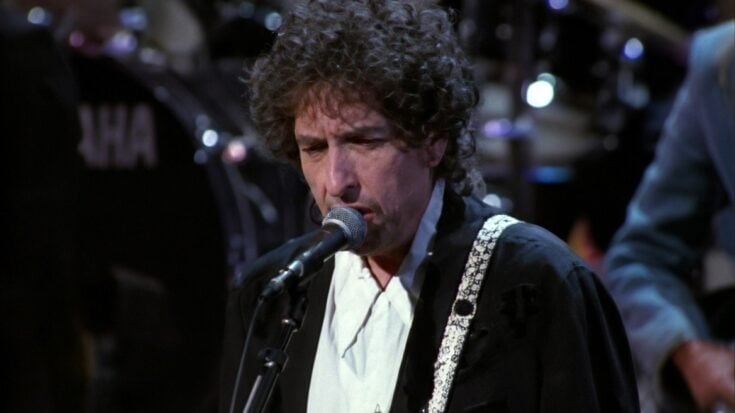
via "BDM" / YouTube
Trying to describe Bob Dylan in a single sentence usually ends in failure. He never stayed in one place long enough for anyone to pin him down. Even during his early rise in the 1960s, when fans thought they had him figured out as a protest singer, he was already moving somewhere else.
Part of that mystery comes from how he treats identity. Dylan doesn’t just write songs, he steps into different voices and characters. One album can feel grounded in folk tradition, while the next drifts into surreal imagery or electric rock. That constant shift makes it difficult to separate the man from the personas he created along the way.
Still, if there is one thread running through it all, it’s his refusal to give people exactly what they expect. While other artists refine a formula, Dylan breaks his. That restless approach is what makes one particular track stand out as a defining moment in his legacy.
https://twitter.com/FarOutMag/status/2034186440729632835
When Everything Changed With “Like a Rolling Stone”
“Like a Rolling Stone” didn’t just mark a shift in Dylan’s career, it reshaped what a popular song could be. Released in 1965, the track stretched past six minutes, opened with that sharp snare hit, and delivered lyrics that felt more like a novel than a radio single. It didn’t follow the rules, and that was exactly the point.
The song also signaled Dylan’s full move into electric music, a decision that shocked parts of his audience. At a time when folk purists wanted him to remain the voice of protest, he plugged in and pushed forward. That moment, especially around the Newport Folk Festival 1965, became one of the most talked-about turning points in modern music.
More importantly, the track captured Dylan at his most fearless. The biting tone, the direct address, and the sense of collapse in the lyrics all showed an artist who wasn’t interested in being liked. He was interested in saying something that stuck, even if it made listeners uncomfortable.
Lyrics That Changed the Game
Before Dylan, pop lyrics often stayed within safe boundaries. Love, heartbreak, and simple storytelling dominated the charts. With “Like a Rolling Stone,” he blurred the line between poetry and songwriting, filling each verse with layered meaning and sharp imagery.
The song doesn’t hand out easy answers. Instead, it asks questions and leaves space for interpretation. Lines about falling from privilege and losing direction hit differently depending on who is listening. That openness became one of Dylan’s trademarks and influenced countless artists who followed.
It’s not an exaggeration to say that this approach helped reshape rock music. Bands like The Beatles began exploring deeper lyrical themes around the same time, and later voices like Kurt Cobain carried that raw honesty into new generations. Dylan didn’t just write songs, he expanded what songs could hold.
A Legacy Built on Reinvention
Even after defining a generation with songs like “Like a Rolling Stone,” Dylan refused to stay in that version of himself. He moved through country, gospel, and even standards later in his career, including projects like Triplicate. Each phase felt like a deliberate step away from expectations.
That ability to shed identities often draws comparisons to David Bowie, another artist known for reinvention. The difference is that Dylan’s changes were often less theatrical but just as radical. He shifted the core of his writing, his voice, and even his delivery without announcing it.
In the end, the track that defines Dylan’s legacy is not just about sound or success. It represents a mindset. “Like a Rolling Stone” stands as a moment where he chose risk over comfort, and that decision echoes through everything he has done since.