

5 Artists Who Deserved the Spotlight All Along
via "sklogggirl" / YouTube
Everyone has to begin somewhere, even the voices that eventually fill arenas and dominate radio playlists. The climb is rarely straightforward. For every breakthrough story, there are countless near-misses shaped by timing, luck, and decisions that never quite land the way they should.
The music industry has never been short on obstacles. A poorly timed release, the wrong management deal, or a lack of promotion can stall momentum before it even begins. Talent alone does not guarantee a clear path forward, and many artists spend years navigating a system that can be as unpredictable as it is competitive.
Still, there is a quiet level of success that often goes unnoticed. Singing backing vocals, recording in studios, or touring with established acts already places someone within reach of the dream. From that vantage point, a handful manage to push further, turning supporting roles into defining careers. This list looks at artists who had the talent from the start and, in time, proved they deserved the spotlight all along.
Cher
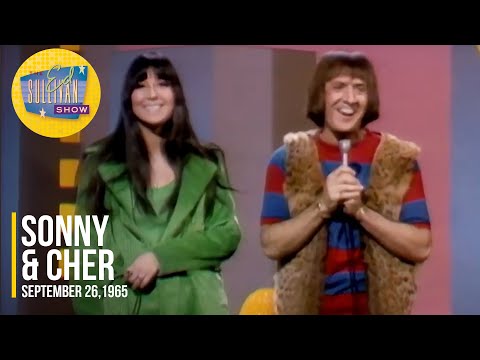
Long before the spotlight settled on her, Cher was already moving through the edges of the industry, picking up experience wherever she could. Those early years placed her in rooms where hit records were being shaped, even if her name was nowhere near the front cover. It was a quiet introduction, but one that sharpened her instincts and built the confidence she would later carry into her own career.
Her connection with Sonny Bono opened the first real door. Through his work with Phil Spector, Cher found herself contributing backing vocals alongside the Wrecking Crew, lending her voice to major recordings that defined the era. Tracks like “You’ve Lost That Lovin’ Feelin’” and “Be My Baby” may not have credited her prominently, but they gave her a front-row view of how lasting hits were made.
It did not take long for that background role to shift. By the mid-1960s, she had already stepped forward with her own material, and the success of “I Got You Babe” proved she was more than ready. What followed was a career that stretched across decades, styles, and trends, built on a foundation that began far from center stage but always hinted at something bigger.
Luther Vandross
Before his voice became synonymous with smooth soul, Luther Vandross spent years building his craft in places most listeners never noticed. His early appearances, including a performance on the debut episode of Sesame Street, showed his natural ability, but recognition on a larger scale would take time. Those formative years became a training ground that shaped his control, tone, and emotional delivery.
Session work soon filled that space. Vandross became a trusted backing vocalist for a wide range of artists, contributing to recordings by Chaka Khan, Diana Ross, Stevie Wonder, and more. His voice added depth and warmth to their songs, even when it remained just beneath the surface. One of the most notable moments came with David Bowie’s Young Americans, where Vandross helped define the album’s soul-influenced sound.
By the time he stepped into his solo career, he carried the experience of countless sessions behind him. “Never Too Much” did not feel like a debut from an unknown singer, but rather the arrival of someone who had already done the work. The years spent supporting others only made his own rise feel more complete, as if the spotlight had finally caught up with him.

Michael McDonald
Michael McDonald’s voice became one of the most recognizable sounds in soft rock, but it did not begin at the front of the stage. Early on, he was part of the background machinery that kept major acts sounding polished and full. That role allowed him to refine a style that would later stand out the moment it was given space.
His time with Steely Dan placed him in a demanding musical environment where precision mattered. As part of their touring lineup and studio recordings, he contributed harmonies that blended seamlessly into their layered sound. Albums from Katy Lied through Gaucho featured his work, even as he balanced commitments elsewhere.
That “elsewhere” soon became a defining chapter. Joining The Doobie Brothers, McDonald moved from the background into a leading role, bringing his distinctive tone to the forefront. What followed was a run of hits that carried into a successful solo career, proving that the voice listeners had heard in the margins was always strong enough to carry the whole song.

Sheryl Crow
Before her name appeared at the top of festival lineups, Sheryl Crow was working steadily behind the scenes, building a career that did not yet carry her face or story. Those early years were filled with studio sessions and commercial work, the kind of jobs that pay the bills while quietly sharpening a musician’s skill set. It was not glamorous, but it was real progress.
Her voice began to travel further as she moved into backing roles for established artists. Crow contributed to recordings for Stevie Wonder, Belinda Carlisle, and Don Henley, absorbing different styles along the way. One of her most visible early gigs came during Michael Jackson’s Bad World Tour, where she performed alongside him, even stepping into duet territory on “I Just Can’t Stop Loving You.”
That experience translated into something more personal when she stepped forward as a solo artist. By the 1990s, Crow had found her voice in a way that felt both grounded and radio-ready. Her mix of country, rock, and pop sensibilities connected with a wide audience, turning years of background work into a career that could stand on its own.

Phil Collins
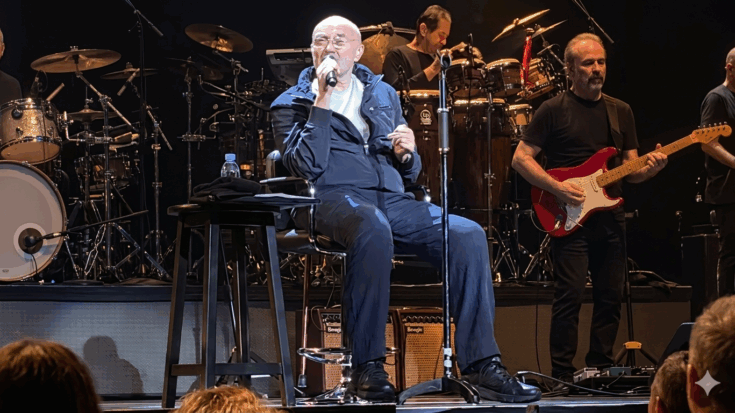
Phil Collins spent his early years in Genesis as part of a complex musical machine, keeping time behind the drums while contributing vocals that blended into the band’s layered sound. At that point, the spotlight belonged to Peter Gabriel, whose theatrical presence defined the group’s identity. Collins, meanwhile, focused on precision and consistency, anchoring the music from the back.
Even in that role, there were signs that he had more to offer. He began contributing ideas and occasionally stepping forward for lead vocals on select tracks, showing a different side of his musical personality. Those moments hinted at a shift, one that became unavoidable when Gabriel left the band in the mid-1970s.
Taking over as frontman could have been a risk, but it quickly proved to be the turning point. Collins guided Genesis into a more accessible sound while also launching a solo career that reached far beyond the band’s original audience. The drummer who once supported the performance became one of the defining voices of the decade, with a run of hits that confirmed he had been ready long before the spotlight found him.