

Kip Winger Shares Honest Thoughts on Twisted Sister Ending

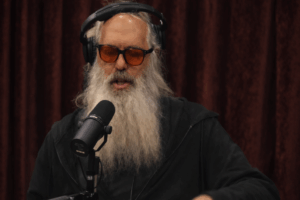
via "Dante Boccuzzi" / YouTube
When Kip Winger spoke about Dee Snider stepping away from Twisted Sister, it did not come across as industry gossip. It felt more like a quiet acknowledgment of something every longtime performer eventually faces. The stage may still call, but the body does not always answer the same way.
Snider’s decision to retire from future performances, especially after decades in the spotlight, marked more than just the end of a touring cycle. It effectively closed the door on the band’s future activity, including planned anniversary shows. For fans, it is a difficult moment. For fellow musicians, it is a familiar crossroads.
Winger’s reaction stood out because it came from a place of experience. He did not challenge the decision. Instead, he leaned into it, recognizing that the conversation is no longer about legacy alone. It is about endurance, timing, and knowing when to step back.
The Fear of Not Being at Your Best
Winger did not hide the emotional side of performing later in life. He described it as “terrifying,” not because of the crowd or the expectations, but because of the uncertainty that comes with every show. The question is no longer just how well you can play, but whether you can deliver consistently night after night.
That fear is not hypothetical. It shows up in the smallest details, from vocal strain to physical fatigue. Even seasoned performers who once thrived on long tours now have to think carefully about pacing. What used to feel routine can become a serious challenge when the body starts pushing back.
For Winger, the honesty matters. There is no illusion that things stay the same forever. The passion remains, but the execution requires more effort. That tension between love for the stage and physical limits is what makes decisions like Snider’s feel less like endings and more like necessary adjustments.
The Physical Toll Behind the Scenes
Winger also pointed to the reality that fans rarely see. Touring is not just the performance itself. It is the travel, the waiting, the constant movement between cities, and the lack of recovery time. For younger bands, it can be exhausting. For older musicians, it can be overwhelming.
He mentioned his own bandmate, Rod Morgenstein, as an example. Even with the skill and energy still intact, the physical cost after a show can be intense. Walking off stage is no longer the end of the effort. It is often when the strain fully sets in.
There is also a difference in how bands operate at this stage of their careers. Not every group travels in luxury. Many still deal with the same logistical headaches, from airports to tight schedules. Those factors add up, making each performance part of a much bigger physical demand.
Choosing Longevity Over Nostalgia
What makes Winger’s perspective interesting is how it connects to his own plans. He is not stepping away completely, but he is clearly rethinking how to move forward. The idea of endless touring no longer makes sense in the same way it once did.
Instead, he has hinted at a more controlled approach. Select shows, shorter sets, and better pacing allow musicians to stay active without pushing beyond their limits. It is a shift that prioritizes longevity rather than trying to recreate the intensity of earlier decades.
In many ways, Snider’s decision reflects a broader change in rock music. Artists are starting to choose sustainability over nostalgia. Winger’s support shows that this is not about giving up. It is about continuing in a way that respects both the music and the reality of time.