7 Classic Rock Songs We’d Give Anything to Hear Again for the First Time
via "Led Zeppelin" / YouTube
There are songs that don’t just play, they leave a mark. The first time you hear them, something clicks instantly, whether it’s a riff that grabs you or a vocal that feels larger than life. Years later, you can still trace that moment back to where you were, who you were with, and how it felt when the sound hit for the very first time.
That’s what makes the idea so tempting. To go back and experience those tracks again without knowing what’s coming, to feel that same rush, that same surprise, that same sense of discovery. It’s a kind of musical reset button that doesn’t exist, but it’s easy to imagine when a song has that kind of impact.
The selections here come from that exact feeling. These are tracks built on unforgettable riffs, bold performances, and moments that pushed rock forward when they first arrived. Some changed the way bands approached songwriting, while others simply hit so perfectly that they became timeless. Either way, they are the kind of songs any classic rock fan would gladly hear again for the first time.
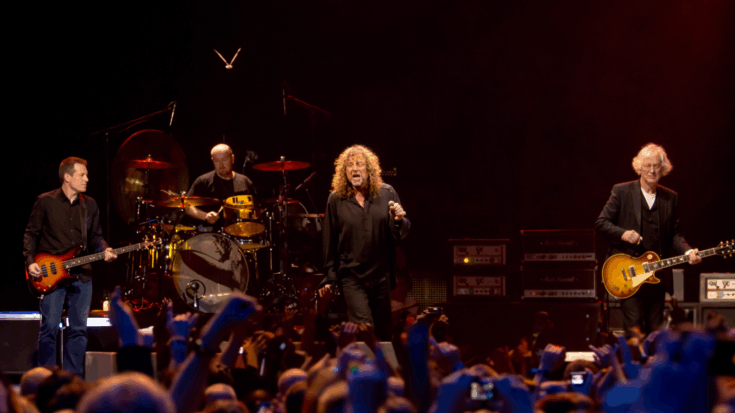
“Whole Lotta Love” by Led Zeppelin (Led Zeppelin II, 1969)
The opening seconds alone feel like a jolt of electricity. That riff doesn’t ease its way in, it arrives fully formed, loud and confident, before Robert Plant steps in with a vocal that sounds like it’s daring you to keep up. It’s the kind of entrance that doesn’t just introduce a song, it takes over the room and refuses to let go.
For a band still proving itself at the time, this track changed the conversation almost instantly. Jimmy Page built the song around a simple but unforgettable idea, then shaped it with studio tricks that made it feel bigger than life. The layers of sound, the space, and the sudden shifts all come together in a way that still feels unpredictable.
Hearing it now, it’s easy to take that power for granted because the riff has become part of rock’s DNA. But that first listen must have felt like something entirely new. It pulls you in, locks you into its groove, and leaves you chasing that same feeling long after the track ends.
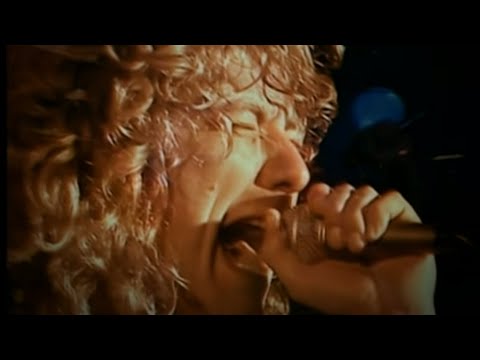
“Voodoo Child (Slight Return)” by The Jimi Hendrix Experience (Electric Ladyland, 1968)
It begins almost quietly, like something is about to unfold rather than explode. Then Jimi Hendrix hits that riff, and everything shifts in an instant. The band crashes in behind him, turning a loose idea into a full force performance that feels far bigger than a three piece group should be able to deliver.
What makes the track so striking is how natural it feels despite the technical brilliance behind it. It came together quickly in the studio, but there’s nothing rushed about the result. Every bend, every effect, every note feels intentional, as if Hendrix was showing just how far the guitar could go without losing its soul.
That first listen would have been hard to process in real time. It’s not just impressive, it’s overwhelming in the best way. The kind of song that makes you stop what you’re doing, listen closely, and maybe even reach for a guitar just to see if you can get anywhere close.

“(I Can’t Get No) Satisfaction” by The Rolling Stones (Out of Our Heads, 1965)
Some songs take time to grow, but this one grabs you immediately. The riff kicks in and stays with you, simple enough to remember but strong enough to carry the entire track. When Mick Jagger delivers the opening lines, it feels like the voice of someone pushing back against everything around him.
The story behind that riff only adds to its appeal. Keith Richards captured it half asleep, a moment that could have easily been lost if not for a tape recorder left running. In the studio, the decision to lean into that raw, fuzzy guitar sound gave the track an edge that felt different from anything else at the time.
It’s one of those songs that defines an era, but also works on a personal level the first time you hear it. The hook sticks, the attitude cuts through, and before long it’s playing over and over in your head. Experiencing that moment again from scratch would be hard to pass up.
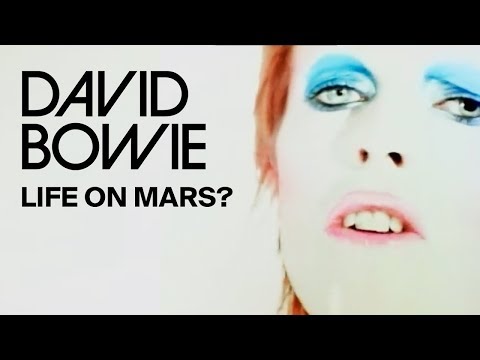
“Life on Mars?” by David Bowie (Hunky Dory, 1971)
By the early seventies, David Bowie was still shaping his identity, searching for a sound that fully matched his imagination. With “Life on Mars?”, everything suddenly comes into focus. From the first piano notes, there’s a sense that something grand is about to unfold, and the song never lets that feeling slip.
What started as a response to “My Way” quickly became something far more ambitious. The arrangement builds layer by layer, with sweeping strings and Rick Wakeman’s piano anchoring the track in elegance. It feels theatrical without losing its emotional core, balancing irony, beauty, and quiet intensity in a way that only Bowie could pull off.
Then comes the vocal. Bowie pushes his voice higher and higher as the song climbs, delivering each line with clarity and control before reaching that unforgettable chorus. Hearing it for the first time must have felt like witnessing an artist fully arrive, a moment where everything aligns and leaves a lasting impression.
“A Day in the Life” by The Beatles (Sgt. Pepper’s Lonely Hearts Club Band, 1967)
There are plenty of songs that show how strong The Beatles were as writers, but this one reveals just how far they were willing to go. “A Day in the Life” doesn’t follow a predictable path. Instead, it moves between moods and ideas, drawing you into a world that feels both grounded and surreal at the same time.
The structure alone makes it unforgettable. John Lennon’s reflective verses blend with Paul McCartney’s more everyday perspective, stitched together by orchestral swells that feel chaotic and controlled all at once. It’s a studio creation in the truest sense, using every tool available to stretch what a rock song could be.
And then it ends with that final chord, hanging in the air longer than you expect, refusing to fade quietly. It’s a bold way to close not just a track, but an entire album, leaving a lingering silence that feels almost as powerful as the music itself. Experiencing that ending for the first time again would be something special.
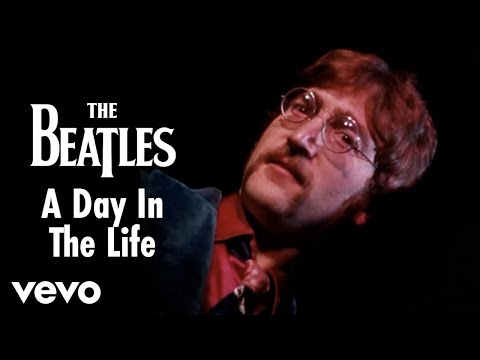
“Black Dog” by Led Zeppelin (Led Zeppelin IV, 1971)
It opens in a way that feels almost disorienting at first. The stop-and-start rhythm doesn’t follow the usual pattern, forcing you to lean in and figure it out as it goes. Then Robert Plant comes in, answering the riff with a vocal line that feels just as sharp and unpredictable.
That back-and-forth between voice and guitar is what gives the song its edge. Jimmy Page crafted a riff that refuses to sit still, shifting in a way that keeps the listener slightly off balance. The band locks into it with precision, turning something complex into something that still hits hard on a gut level.
The first time through, it’s the kind of track that makes you pay closer attention without even realizing it. By the time it reaches full stride, everything clicks into place and the groove becomes impossible to shake. It’s a reminder that rock can be both raw and clever at the same time, and hearing that reveal unfold again would be worth it.
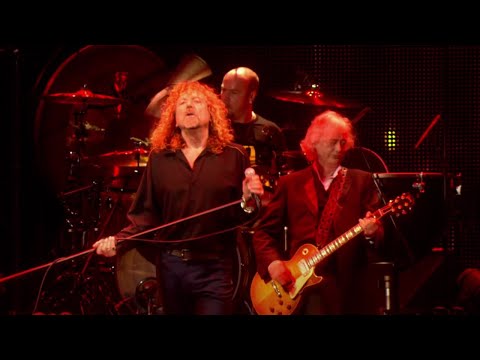
“Bohemian Rhapsody” by Queen (A Night at the Opera, 1975)
Nothing about this song plays by the usual rules. It doesn’t settle into a single style or structure, instead moving through sections that feel completely different but somehow connected. From the quiet opening to the sudden shifts in tone, it keeps you guessing without ever losing its grip.
At the center of it all is Freddie Mercury, guiding the song through each change with total control. The layered vocals, the dramatic piano, and the explosive guitar all build toward moments that feel bigger than what most rock songs attempt. It’s ambitious, but never feels forced.
Hearing it for the first time must have been confusing, exciting, and unforgettable all at once. Just when you think you understand where it’s going, it changes direction again. That sense of surprise is what makes it endure, and it’s exactly the kind of experience anyone would want to relive from the beginning.