

Paul Simon Didn’t Want Anyone Else to Sing This Song
via "Zarastro1040" / YouTube
Paul Simon built his reputation on precision. Every lyric, every melody, and every arrangement felt carefully placed, even when the final result sounded effortless. By the mid-1960s, he had already begun to see songwriting not just as expression, but as something closer to composition, where the right voice mattered as much as the words themselves.
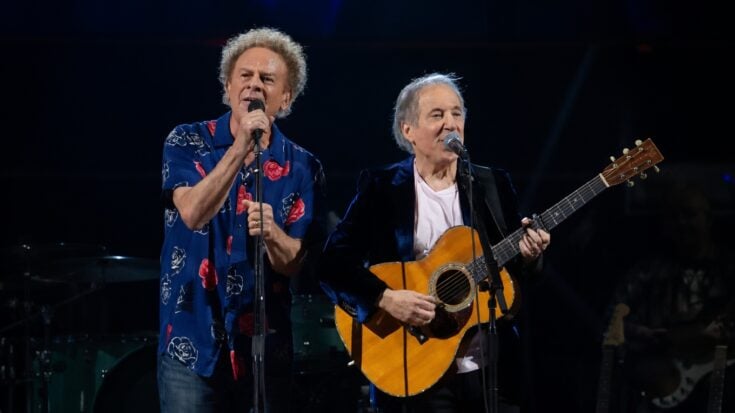
Before the success came, though, there was uncertainty. His early work with Art Garfunkel under different names didn’t exactly set the charts on fire. When those first attempts stalled, Simon started thinking more practically about his future, including the idea of writing songs for other artists instead of keeping them for himself.
That mindset worked for a while, but not every song felt transferable. Some carried a tone and feeling that didn’t quite fit anyone else. When one particular composition began to take shape, Simon quickly realized it wasn’t something he could just hand off. It needed a specific voice, and more importantly, a specific partnership.
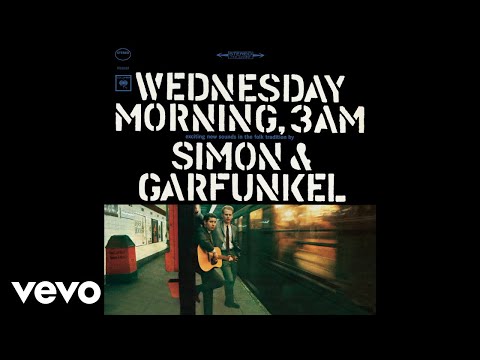
The Moment “The Sound of Silence” Took Shape
“The Sound of Silence” didn’t arrive in a crowded studio or during a structured session. It came together in a quiet, echo-filled space, where Simon experimented with how the song sounded when it lingered in the air. The simplicity of the setup allowed the emotion to come through clearly, without distraction.
When Simon and Garfunkel began performing it together, the song took on a new weight. Their harmonies gave it a kind of stillness that matched the mood of the time. In the wake of events like the Assassination of John F. Kennedy, audiences were already searching for something that reflected a shared sense of confusion and distance. The song quietly fit that space.
It didn’t feel like just another folk tune. There was something more deliberate in its pacing and delivery, as if it was meant to be listened to closely rather than casually. That quality made Simon even more certain that giving it away would dilute what made it work.
Refusing to Hand It Off
At the time, it was common for songwriters to pass material along to other performers. Producers often encouraged it, especially if they believed a different voice could make a song more commercially viable. When the track was first presented to producer Tom Wilson, there was immediate interest, but not necessarily in keeping it with Simon.
The idea of having another group record it was floated early on. For many writers, that would have been a straightforward opportunity. Simon saw it differently. He believed the song belonged with him and Garfunkel, even if that meant taking a risk at a time when their future wasn’t secure.
Instead of agreeing to the suggestion, he pushed for their own version to be heard. That decision changed everything. It wasn’t just about control, but about instinct. He knew how the song was supposed to feel, and he wasn’t willing to lose that in translation.
The Version He Didn’t Expect to Define It
Ironically, the version that would bring the song to a wider audience wasn’t entirely what Simon had in mind. Without their direct involvement, an electric backing was later added, transforming the track from a quiet folk recording into something that fit the growing folk-rock movement.
At the time, artists like Bob Dylan were already shifting the landscape by blending acoustic songwriting with electric instrumentation. The updated version of the song tapped into that same energy, giving it a sharper edge while keeping its core intact.
It wasn’t the pure form Simon originally envisioned, but it worked. The added instrumentation helped the song reach listeners who might have otherwise missed it. In the end, the compromise didn’t erase the heart of the track. It amplified it, turning a deeply personal piece into one of the defining songs of its era.