

Classic Rock Bands That Created Big Solo Stars

via "uploader.JP8" / YouTube
There’s something fascinating about a band that doesn’t just produce hits, but produces future headliners. In classic rock, a few groups managed to gather so much talent in one place that it was almost inevitable some members would eventually break away and shine on their own. When those splits happened, they didn’t fade into the background. They built careers that could stand shoulder to shoulder with the bands that made them famous.
Plenty of musicians have stepped out from successful groups and found their footing as solo acts. Still, it’s usually one standout name who carries that momentum forward. What makes certain classic rock bands different is how many of their members managed to do it. These weren’t one-person breakouts. They were breeding grounds for multiple artists who could write, perform, and command attention long after leaving the original lineup behind.
That pattern isn’t accidental. Bands like The Beatles and Fleetwood Mac were built on strong personalities and creative voices that often clashed as much as they complemented each other. Out of that tension came not only timeless group records but also solo careers that climbed the charts and reshaped the sound of rock in the years that followed.
Fleetwood Mac
The story of Fleetwood Mac isn’t just about one golden era or a single lineup. It’s about a band that kept evolving, bringing in new voices and watching those voices grow strong enough to stand alone. Even in its earlier blues-based years, the group already had musicians who would later test the waters outside the band and find an audience waiting for them.
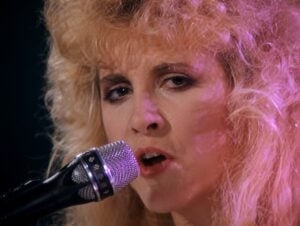
As the lineup shifted in the 1970s, that sense of independence only grew stronger. Lindsey Buckingham and Christine McVie both carried the polished, radio-friendly sound of the band into their own work. Their solo releases in the early 1980s showed that the songwriting instincts and melodic hooks that defined Fleetwood Mac could thrive even without the full group behind them.
Still, it was Stevie Nicks who took that leap the furthest. Her solo career turned her into a defining voice of pop rock, with a string of hits that felt both connected to and separate from the band’s identity. Songs like “Edge of Seventeen” and “Stand Back” didn’t just extend her success, they reshaped it, proving that Fleetwood Mac had more than one artist capable of leading the spotlight.
The Beatles
When The Beatles came to an end, the demand for anything connected to the band didn’t slow down. If anything, it intensified. Each member stepped into a solo career with a built-in audience, but what followed went beyond curiosity. All four managed to carve out real chart success, something no other band had achieved at that level.
John Lennon quickly established his own voice, blending personal reflection with sharp songwriting. At the same time, Paul McCartney leaned into melody and accessibility, building a second act that rivaled his work in the band. His run of hits, both solo and with Wings, kept him near the top of the charts throughout the 1970s.
The momentum didn’t stop there. George Harrison was the first to reach number one after the breakup, while Ringo Starr found his own lane with a string of well-received singles. Each member proved that their contributions to the band weren’t limited to a shared identity. On their own, they could still connect with millions.
The Eagles
Tensions and shifting dynamics eventually brought Eagles to a breaking point, but the split didn’t mark the end of its influence. Instead, it opened the door for several members to step forward individually. What followed was less of a fade-out and more of a continuation under different names.
Don Henley became one of the defining voices of 1980s rock, with songs that carried the same sharp storytelling he brought to the band. Glenn Frey found similar success, especially with tracks that fit seamlessly into film soundtracks and radio rotation. Together, they proved that the Eagles’ sound could survive outside the group.
Beyond the main voices, others carved out their own paths. Joe Walsh had already built a solo identity and continued to expand it, while members like Randy Meisner and Timothy B. Schmit found moments of chart success in the years that followed. Even without the band intact, the reach of the Eagles remained wide, carried by the individual strengths of its members.

The Edgar Winter Group
In the early 1970s, The Edgar Winter Group carved out its place with a mix of hard rock energy and experimental flair. Led by Edgar Winter, the band scored a massive hit with the instrumental “Frankenstein,” but its real legacy goes beyond a single chart-topper. The lineup quietly became a launching point for musicians who would go on to leave their own mark on rock.
One of the first to branch out was Ronnie Montrose, whose departure led to the formation of his own band, Montrose. That project didn’t just succeed on its own terms, it also introduced Sammy Hagar to a wider audience, setting the stage for his long career in hard rock. The ripple effect from that single lineup change shows how much talent was circulating within the group.
Others followed similar paths. Rick Derringer stepped forward with “Rock and Roll, Hoochie Koo,” a track that became a staple on classic rock radio, while Dan Hartman shifted toward a more polished pop sound in the 1980s. Together, their careers highlight how the Edgar Winter Group functioned less like a fixed band and more like a proving ground for artists ready to break out.
The Runaways
The Runaways didn’t follow the usual path to success, but their influence stretched far beyond their initial run. As one of the first all-female rock bands to gain attention, they built a reputation on attitude and raw sound. Even if their albums didn’t dominate the charts at the time, the group planted the seeds for several members to step into bigger careers later on.
Cherie Currie was among the first to move on, trying her hand at a solo career before teaming up with her sister for a brief chart appearance. Her path showed that even a short time in the band could open doors, giving her the platform to explore music beyond the Runaways’ original identity.
The biggest impact, though, came from the guitarists. Lita Ford found success in the late 1980s with a more polished hard rock sound, while Joan Jett turned into a defining figure of the decade. With the Blackhearts, she delivered a run of hits that kept her firmly in the spotlight. What started as a rebellious band with modest success ended up shaping the careers of artists who would dominate the years that followed.

The Who
By the time The Who began branching into solo work, they had already built a reputation as one of the most adventurous bands of their era. Their albums pushed beyond standard rock formats, and that creative drive naturally carried over when members started exploring ideas on their own. What followed wasn’t a clean break, but a parallel path where individual voices could expand without the constraints of the band.
Pete Townshend was the first to step forward, using his solo projects as a space to develop themes that didn’t quite fit within The Who’s framework. His work gradually found a wider audience, especially with “Let My Love Open the Door,” which showed he could translate his songwriting into something both personal and accessible. It wasn’t just an extension of the band’s sound, it felt like a separate identity taking shape.
The others followed in their own ways. Roger Daltrey carried his unmistakable voice into a series of solo albums, while John Entwistle explored the heavier, more offbeat side of his musical personality. None of them fully stepped out of The Who’s shadow, but together they proved the band had more than one creative center driving its success.
Bauhaus
Bauhaus helped define a darker, more atmospheric corner of rock that would influence alternative music for years. Their initial run was relatively short, but the impact of that sound lingered long after the band split. When they went their separate ways, the groundwork they had laid gave each member a distinct starting point.
The most visible shift came with the formation of Love and Rockets, led by former members excluding frontman Peter Murphy. Their sound leaned toward something more accessible, and it paid off with “So Alive,” a song that pushed them into mainstream territory. At the same time, Murphy carved out his own path, building a solo career that kept the band’s moody edge intact while reaching a wider alternative audience.
Other members kept exploring in quieter but steady ways. David J continued releasing solo material and even found chart success within the alternative scene, while Daniel Ash balanced his work between collaborations and individual projects. Together, their post-band careers showed that Bauhaus wasn’t just influential as a group, but as a starting point for artists who would keep evolving long after it ended.

Genesis
Creative tension has a way of pushing musicians in new directions, and that was certainly the case with Genesis. When Peter Gabriel stepped away in the mid-1970s, it could have marked the end of the band’s momentum. Instead, it set off two parallel success stories, one inside the group and one far beyond it.
Gabriel quickly built a solo career that leaned into experimentation while still connecting with a wide audience. Songs like “Shock the Monkey,” “In Your Eyes,” and “Sledgehammer” showed a balance between artistic ambition and mainstream appeal. His rise didn’t come at the expense of Genesis either, which continued to thrive under Phil Collins as frontman.
Collins didn’t just keep the band afloat, he expanded its reach and then doubled that success on his own. His solo work dominated the charts throughout the 1980s, turning him into one of the era’s biggest names. At the same time, Mike Rutherford found his own footing through solo releases and with Mike + the Mechanics, proving Genesis had more than one path to lasting success.
The Zombies
The sound of The Zombies carried a distinct atmosphere that set them apart in the 1960s. Even after the band quietly dissolved, their music continued to find new listeners, especially as songs like “Time of the Season” gained traction after the fact. That delayed recognition helped keep interest in its members alive as they moved into new projects.
Colin Blunstone was one of the first to benefit from that lingering attention, building a solo career that resonated strongly in the U.K. charts. At the same time, Rod Argent channeled his songwriting into a new band, Argent, which found success with the anthemic “Hold Your Head Up.” Both paths showed how the band’s melodic instincts could thrive in different forms.
Another key figure, Russ Ballard, expanded his role beyond performing. While he had modest solo success, his songwriting became his lasting contribution, with tracks recorded by major artists across genres. The Zombies may not have lasted long as a group, but their influence stretched out through the careers they launched.

The Mynah Birds
The story of The Mynah Birds feels more like a starting point than a finished chapter. The group itself never reached the level of success its members would later achieve, but it brought together musicians who were on the verge of something much bigger. In hindsight, it reads like an early snapshot of future stars finding their footing.
At the center of it was Rick James, who would later transform into a defining figure in funk and soul. After his time with the band came to an abrupt halt, he reemerged years later with a sound that dominated the charts. His rise showed how far one member could travel from such modest beginnings.
The band also briefly included Neil Young, who would go on to shape folk rock and beyond. Other members found their way into influential groups like Steppenwolf and Buffalo Springfield, extending the band’s reach even further. The Mynah Birds may not have left behind a major catalog, but the careers it sparked tell a much bigger story.