

Two Black Sabbath Songs Nearly Ruined by Terrible Titles
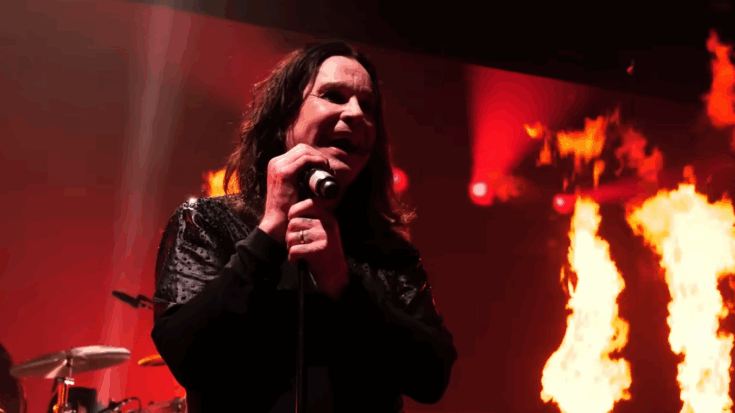
via "Black Sabbath" / YouTube
By the time Black Sabbath entered the 1970s, they were already reshaping what rock music could sound like. Drawing from the heaviness of Led Zeppelin and the raw energy of The Who, they pushed things further into darker, heavier territory. The result was a sound that would soon define heavy metal.
Their 1970 debut set the tone, but it was Paranoid that cemented their place in music history. Released just months later, the album carried a sense of urgency and grit that felt almost accidental. It wasn’t polished to perfection. It was built quickly, instinctively, and with just enough chaos to make it feel alive.
That same looseness also meant not every idea was fully formed at the start. Titles, themes, and even lyrical directions could shift at the last minute. In a few cases, those early ideas came dangerously close to sticking. If they had, some of the band’s most iconic songs might be remembered very differently today.
The Almost-Misstep Called “I Am Iron Bloke”
Iron Man is now one of the most recognizable tracks in rock history, driven by a riff that feels almost mechanical in its precision. Tony Iommi crafted something simple but massive, the kind of guitar line that sticks instantly and refuses to let go.
During early discussions, Ozzy Osbourne described the riff as sounding like “a big iron bloke walking about.” That offhand comment turned into a working idea, and for a moment, the song nearly carried that exact phrase into its title. It’s easy to picture how quickly that could have gone from joke to final decision.
Had they stuck with it, the song’s entire mood would have shifted. “Iron Man” carries weight and menace, while “Iron Bloke” feels oddly casual, almost comedic. The band caught the difference in time, and that small adjustment helped preserve the song’s dark, futuristic identity.
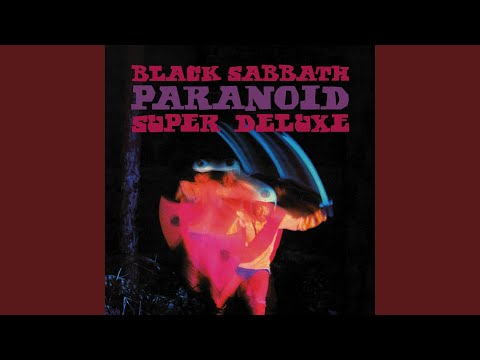
From “Walpurgis” to “War Pigs”
Another close call came with War Pigs, one of the defining tracks on Paranoid. Originally titled “Walpurgis,” the name referred to a night associated with witchcraft and dark rituals. For bassist and lyricist Geezer Butler, it was a symbolic way to frame the horrors of war.
The lyrics were already in place, filled with images of generals, masses, and destruction. Butler wasn’t writing about politics in a straightforward sense. He was drawing a parallel between war and evil, using occult imagery to underline the message. The title “Walpurgis” made sense within that framework, even if it leaned heavily into darker themes.
When the record label pushed back, the band made a practical decision. “War Pigs” kept the meaning intact but made the song more accessible. Importantly, nothing in the lyrics had to change. The message stayed sharp, but the title no longer risked alienating listeners before they even heard the first note.
Why These Small Decisions Mattered So Much
Looking back, it’s clear how fragile some of these moments were. A title might seem like a minor detail, but in music, it shapes the listener’s first impression. In the case of Paranoid, those impressions became part of a larger legacy that helped define an entire genre.
The band’s early writing process relied heavily on instinct. Ideas came quickly, often sparked by riffs or passing remarks. That freedom gave their music its raw edge, but it also meant that not every idea was meant to last. Knowing when to refine or discard something became just as important as the initial spark.
In the end, those near-misses only add to the story. They show that even a band as influential as Black Sabbath operated on a fine line between brilliance and misstep. A couple of different decisions, and two of their most iconic songs might carry very different reputations today.