

The Song That Marked AC/DC at Their Absolute Peak
via "AC/DC" / YouTube
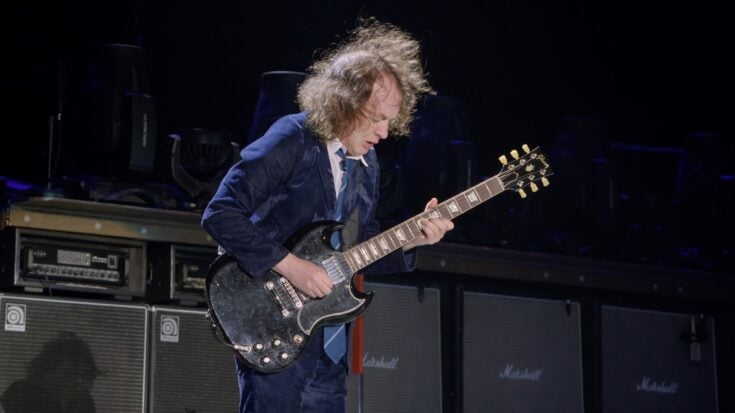
When AC/DC released “Thunderstruck” in 1990, it did not feel like a calculated hit. It sounded like something that had always existed, just waiting for the right moment to break loose. The opening guitar line from Angus Young is one of those rare riffs that feels immediate and timeless at the same time, as if it bypassed the usual songwriting process altogether.
By that point, the band had already survived major shifts, including the loss of Bon Scott and the rise of Brian Johnson as their new frontman. They had reached massive commercial heights with Back in Black, but sustaining that level of impact into a new decade was never guaranteed. Rock was changing, trends were shifting, and many of their peers were losing ground.
Then came “Thunderstruck,” a track that did not chase trends or evolve into something unfamiliar. Instead, it doubled down on what AC/DC always did best. In doing so, it became a defining statement, not just of the band’s identity, but of what peak AC/DC actually sounded like.
The Riff That Carried Everything
The backbone of “Thunderstruck” is its instantly recognizable guitar figure. It is fast, precise, and hypnotic, but underneath the technicality lies something much simpler. The riff locks into a rhythm that feels almost physical, pulling listeners in before the rest of the band even fully arrives.
What makes it stand out is how it builds tension rather than releasing it right away. The opening moments stretch anticipation, letting the guitar line do the heavy lifting while the energy steadily climbs. By the time the drums and vocals enter, the track is already in motion, and there is no turning back.
This approach reflects a deeper understanding of restraint. Instead of overwhelming the listener with complexity, the band allows a single idea to dominate and evolve. It is a reminder that sometimes the most effective rock songs are built on one unforgettable foundation.
A Live Experience That Sealed Its Legacy
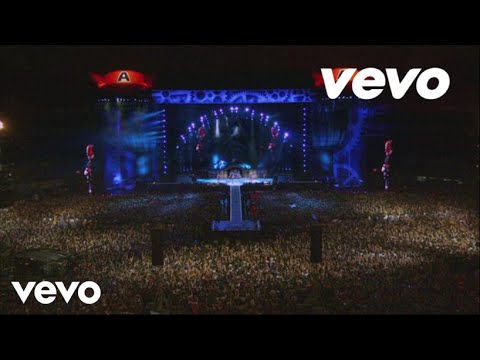
Studio recordings can only tell part of the story with AC/DC. The real test has always been the stage, and “Thunderstruck” proved itself there in spectacular fashion. Their performance at River Plate concerts 2009 remains one of the clearest examples of the song’s full power.
In front of a massive crowd in Buenos Aires, the opening notes triggered a reaction that felt almost uncontrollable. Tens of thousands of fans moved in unison, chanting along before the song had even fully unfolded. It was not just a concert moment; it was a shared experience that blurred the line between performer and audience.
As the song reached its chorus, the energy tipped into something larger than the band itself. The call-and-response vocals turned the entire stadium into part of the performance. It showed that “Thunderstruck” was not just written to be heard, but to be felt collectively.
Simplicity as a Strength
There is nothing overly complicated about “Thunderstruck” when you strip it down. The structure is straightforward, the message is clear, and the goal is direct. Yet that simplicity is exactly what gives it staying power.
Brian Johnson once pointed out how obvious it felt from the start that the song had something special. The combination of the opening guitar, the chant-like vocals, and the explosive chorus created a complete package. It did not need extra layers or experimental ideas to stand out.
That philosophy has always defined AC/DC. While other bands chased complexity or reinvention, they focused on refining a core sound. “Thunderstruck” represents that mindset at its most effective, delivering a track that feels both raw and perfectly constructed.
The Moment Everything Aligned
Looking back, “Thunderstruck” sits at a unique point in AC/DC’s history. It arrived after their initial peak but managed to recapture that same sense of urgency and excitement. More importantly, it proved that the band could still dominate on their own terms.
The song became a bridge between generations of fans. Those who grew up with earlier records found the same spirit they loved, while newer listeners discovered a band that still sounded vital. It did not rely on nostalgia; it created its own moment.
In the end, “Thunderstruck” feels less like a comeback and more like a confirmation. It showed that AC/DC had not lost anything essential. If anything, it revealed that their greatest strength was knowing exactly who they were, and delivering it without compromise.