The Guitarist Bob Dylan Said Was Simply the Best
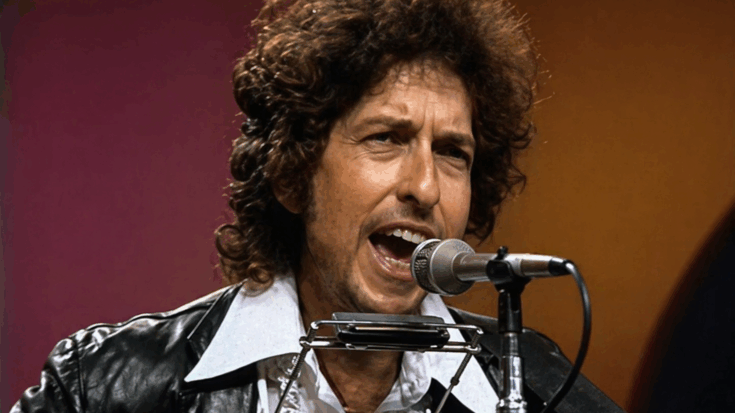
via "Swingin’ Pig" / YouTube
Bob Dylan never approached the guitar like a technician obsessed with tone. His early recordings leaned more on capturing the spirit of a song than polishing every note. You can hear it in those raw acoustic performances where the delivery mattered more than precision. That approach shaped how he viewed every instrument around him.
When he moved into electric music in the mid-1960s, the shift caused a storm. Folk audiences saw betrayal, while Dylan saw possibility. Songs like “Like a Rolling Stone” did not abandon his message. They amplified it. The electricity gave weight to the words, not the other way around.
Rock at the time still revolved around simple themes. Dylan pushed it toward something more introspective. His electric phase was not about chasing louder sounds. It was about expanding the emotional reach of songwriting without losing its core.

The Blues Roots That Shaped His Ear
Long before rock fully took shape, blues artists had already built its foundation. Robert Johnson gave the genre its haunting depth, turning personal struggles into mythic storytelling. His influence lingered in every serious songwriter that followed, Dylan included.
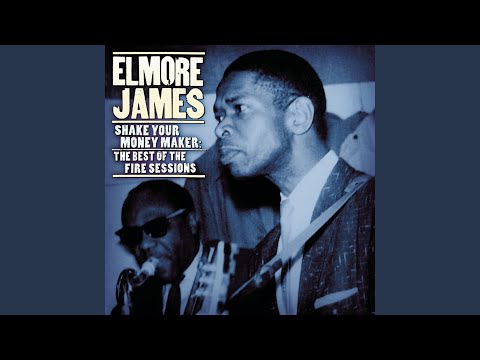
But when it came to the electric guitar, Dylan’s attention locked onto Elmore James. James did not just plug in for volume. He transformed the instrument into something expressive without losing its roots. His slide guitar cut through recordings with a voice that felt direct and human.
Dylan heard something different in that sound. It was not about technical display or flash. It was about clarity. James used electricity as a tool, not a crutch. That distinction stayed with Dylan as he navigated his own transition into amplified music.
Why Dylan Called Him “The Best”
Dylan’s praise for Elmore James came with a sharp critique of other players. He once pointed out that many guitarists relied too heavily on effects and amplification. Strip those away, and the music often lost its impact. For Dylan, that exposed a deeper problem.
In contrast, James could play acoustically and still move an audience. The electricity only made sure he could be heard in a crowded room. That philosophy resonated deeply with Dylan. It aligned with his belief that a song should stand on its own before anything else is added.
Calling someone “the best” in Dylan’s world was not about speed or complexity. It was about authenticity. James earned that title because his playing served the story. The guitar never overshadowed the song. It carried it.
Art, Noise, and the Line Between Them
That does not mean Dylan rejected experimentation entirely. Artists like Jimi Hendrix proved that noise itself could become art. Hendrix turned feedback and distortion into something expressive, even theatrical. His performances expanded what audiences thought a guitar could do.
Still, Dylan’s priorities stayed grounded. He valued restraint over spectacle. His songs were built to function in their simplest form. Strip away the band, and the message remained intact. That principle guided his admiration for players like Elmore James.
In the end, Dylan’s view draws a clear line. Technology should enhance, not replace, musicianship. The best guitarists are not the loudest or the most complex. They are the ones who make every note count, whether plugged in or not.