How The Rolling Stones Turned a Dutch Show Into Madness
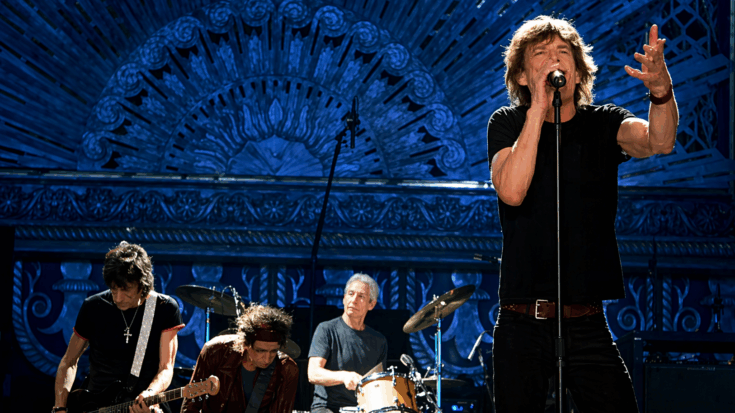
via "NEA ZIXNH" / YouTube
By 1964, The Rolling Stones had already positioned themselves as the rough-edged counterpart to The Beatles. While the Beatles were polished and carefully managed, the Stones leaned into something far more unpredictable. Their shows carried a sense that anything could happen, and that closeness to chaos became part of their appeal.
That difference was not just about attitude. It shaped how audiences responded. The Stones did not create distance between themselves and the crowd. Instead, they fed off it. The energy moved both ways, and when it built up, it had a tendency to spill beyond what venues or organizers expected. That tension followed them wherever they played.
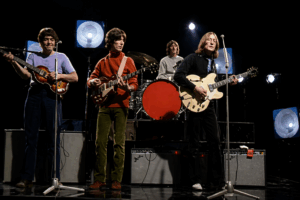
On August 8, 1964, that tension reached a breaking point in the Netherlands. The band’s debut Dutch performance at the Kurhaus in Scheveningen turned from a routine tour stop into a moment that would be remembered for decades. What started as a concert quickly became something far more volatile, leaving behind damage, headlines, and a shift in how rock shows were seen.
A Refined Venue Meets a Restless Generation
The Kurhaus was the last place anyone would expect a riot to break out. It was an ornate theatre, known more for formal performances than for loud, unruly crowds. Bill Wyman later described it as elegant, filled with chandeliers and rich decor, a setting that demanded a certain level of restraint from its audience.
That sense of order did not last long. As soon as the band began playing, the atmosphere shifted. The audience reacted instantly, rising from their seats and pushing forward. It took only one song for the situation to change, as excitement gave way to something more urgent and uncontrollable. The venue’s refined design suddenly felt out of place.
Beneath the surface, the reaction made sense. The Netherlands in the mid-1960s still carried strong social structure, but younger people were already pushing against it. The Stones arrived at exactly the right moment. Their sound and presence did not just entertain the crowd. It gave them a reason to break away from expectations that had been building pressure for years.
When the Music Could No Longer Contain the Crowd
Once the crowd surged forward, the situation escalated quickly. Fans climbed over seats and crowded the stage, ignoring the layout of the theatre entirely. Security moved in, but their efforts struggled to match the pace of the growing chaos. The line between performer and audience disappeared within minutes.
Onstage, Mick Jagger tried to keep the performance going, but the conditions made it nearly impossible. His microphone cord was eventually pulled loose, cutting off his voice. Even without amplification, the show did not stop. The noise from the crowd had already overtaken everything else.
Jagger adapted the only way he could. He stepped back and picked up maracas, letting the music continue in a stripped-down form while the situation unfolded around him. By that point, the songs themselves were no longer the focus. What mattered was the reaction they had sparked, as the crowd’s energy continued to push the night further out of control.
A Night That Reshaped Rock’s Reputation
Police eventually stepped in to clear the theatre. By then, the band had already retreated backstage, leaving behind a venue that had been visibly damaged. Fans were forced out into the streets, some still trying to hold onto the moment as authorities worked to restore order inside the Kurhaus.
The energy did not fade once the crowd moved outside. Groups gathered along the seafront in Scheveningen, still buzzing from what they had experienced. It was no longer just about seeing a band perform. The night had turned into a shared moment of release, one that carried beyond the concert itself.
In the days that followed, Dutch newspapers labeled the event a riot and warned of the dangers of rock and roll. For the youth who had been there, the meaning felt completely different. It was not a warning but a signal that change was underway. For The Rolling Stones, the chaos only strengthened their image, marking them as the band willing to push further than anyone else at the time.