
Why Some Say The Beatles Were Really Scottish
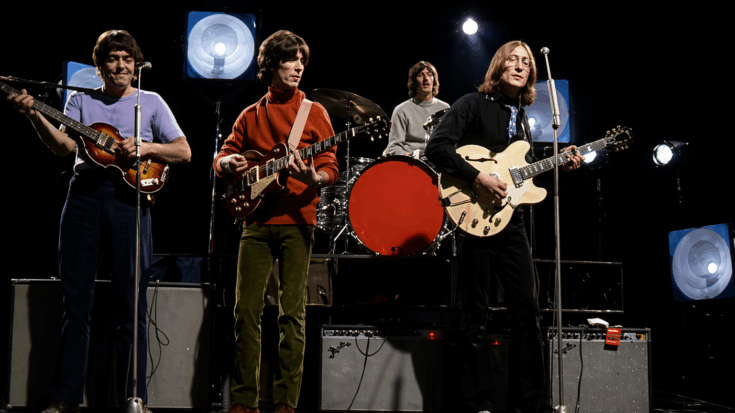
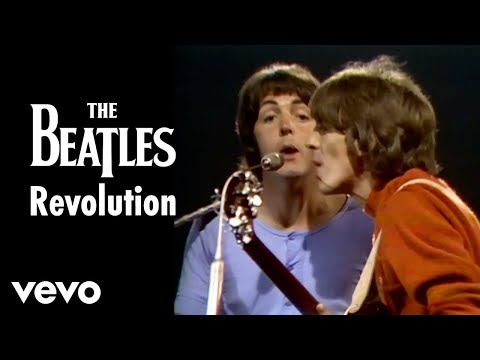
via "The Beatles" / YouTube
Calling The Beatles a Scottish band sounds like the kind of statement meant to stir up arguments in a pub. Their identity is tied to Liverpool so tightly that it almost feels untouchable. The city shaped their accents, their humor, and the early pulse of their music. Strip that away and you lose something essential.
Still, there is a different angle worth exploring. Beyond the familiar story of Merseybeat and Liverpool pride, there is another thread running quietly through their lives. It is not about birthplace or branding, but about influence, escape, and memory. That thread leads consistently north.
What makes this idea stick is not one dramatic piece of evidence, but a pattern. Each member of the band had a meaningful connection to Scotland at different points in their lives. Taken together, those connections start to look less like coincidence and more like a shared second home.
John Lennon’s Lifelong Pull to the North
John Lennon had one of the deepest ties to Scotland, and it started early. As a child, he spent summers away from Liverpool, staying with family in places like Edinburgh and traveling further north. Those trips exposed him to a landscape that felt completely different from the city streets he knew.
The Highlands, especially areas like Durness, left a lasting mark on him. It was remote, quiet, and unpredictable, the kind of place that invites reflection whether you want it or not. Lennon would return there later in life, particularly when fame became overwhelming and he needed distance from everything that came with it.
That sense of retreat shaped more than just his personal life. Songs like “In My Life” have long been linked to memory and nostalgia, and many believe those Scottish experiences fed into that emotional tone. Even incidents like his car crash near Tongue did not break the connection. If anything, they became part of the same complicated attachment.
Paul McCartney and a Home Beyond England
If Lennon found inspiration in Scotland, Paul McCartney built something closer to a permanent life there. His relationship with the country is not just emotional, it is physical. He has owned High Park Farm in Campbeltown since the mid-1960s, and it has remained a constant presence through decades of change.
After the breakup of the band, when everything around him felt unstable, McCartney gravitated toward that quieter setting. It became a place where he could reset, work on new music, and live outside the chaos that followed The Beatles. His time there with Linda during the early Wings years only deepened that bond.
The connection is reflected in his music as well. “Mull of Kintyre” is not just a passing reference, it is a direct tribute to the landscape and atmosphere he embraced. Even in recent years, he has spoken about the “magical memories” tied to that part of Scotland, suggesting that the pull never really faded.
George Harrison, Ringo Starr, and the Wider Scottish Thread
For George Harrison, Scotland played a different role. His visit to the Isle of Skye in 1971 was less about escape and more about connection. There, he spent time with Donovan, collaborating on music and exploring ideas that fit the era’s countercultural spirit.
That period even led to attempts at creating a kind of artistic community in the surrounding islands. While the reality never quite matched the ideal, it showed how Scotland could serve as a creative meeting point rather than just a refuge. It gave Harrison space to experiment in ways that felt harder elsewhere.
Ringo Starr has a more distant link, but it still adds to the overall picture. Family history suggests Scottish roots in Shetland, tying his lineage back to the region before his ancestors moved to Liverpool. It is not as visible as the others’ connections, but it rounds out the pattern.
Why the Idea Persists
Taken individually, these stories might feel like interesting footnotes. Together, they form something harder to ignore. Scotland was not just a backdrop for occasional visits. It became a place tied to childhood, creativity, recovery, and even identity for each member in different ways.
The argument that The Beatles were “really Scottish” is not meant to rewrite history. It is more about highlighting how much of their personal lives unfolded outside the spotlight, in places that offered something Liverpool could not. That contrast gave them balance at crucial moments.
In the end, the idea works because it speaks to something deeper than geography. Scotland was where they could step away from the noise and feel like ordinary people again. For a band that lived under constant pressure, that kind of place mattered more than any label ever could.