


A Rare Look at The Beatles in Their Greatest Studio Years
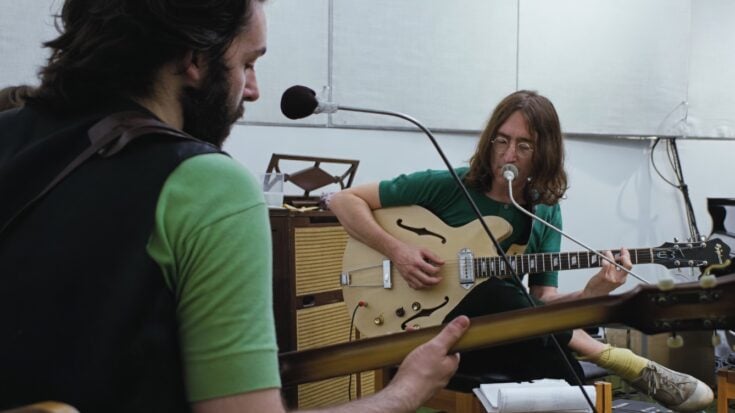
via "The Beatles" / YouTube
When people talk about the brilliance of The Beatles, the conversation usually drifts toward talent, chemistry, and timing. All of that mattered, but it often overshadows something less romantic. Their greatest work came from a structure that looked closer to a regular job than a burst of artistic chaos. That contrast makes their story more interesting, not less.
At the center of that process was Paul McCartney, who often spoke about creativity in a grounded way. He believed individuality was essential, but he never suggested waiting around for inspiration. Instead, he pointed toward something more practical. Show up, stay focused, and let the work reveal itself.
That mindset shaped how the band approached their most productive years. The songs that would later define generations were not always born from sudden flashes of genius. Many of them came from long, structured days where the only real goal was to keep creating, no matter what.
A Studio Routine That Never Felt Ordinary
By the early 1960s, recording sessions at EMI Studios followed a strict pattern. The band would arrive in the morning, set up quickly, and be ready to record within half an hour. From there, the expectation was clear. Work efficiently and get results before the clock ran out.
That schedule was surprisingly demanding. In a single morning session, the band was often expected to complete two songs. After a short lunch break, they would return and do it all over again. It was not glamorous, and it did not leave much room for hesitation or overthinking.
What stands out is how normal it all sounds. There was no sense of waiting for the perfect mood or chasing inspiration. The routine itself became the engine. By repeating that process day after day, they built a catalog that felt effortless on the surface but was anything but.
Pushing Boundaries Within a Fixed Structure
Even with such a rigid workflow, the band never stayed creatively safe. Albums like Sgt. Pepper’s Lonely Hearts Club Band showed just how far they were willing to go. It was a bold move at the time, blending styles and ideas into something that felt entirely new.
That willingness to experiment did not come from abandoning discipline. It came from working within it. The structure gave them a foundation, allowing them to take risks without losing direction. Instead of limiting their creativity, it sharpened it.
McCartney’s advice about embracing what makes you different fits perfectly here. The band explored unusual ideas, sounds, and concepts, but they did it while sticking to a system that kept everything moving forward. That balance is part of what made those recordings so lasting.
Why the System Worked So Well
Creative work is often imagined as something unpredictable, but their experience suggests otherwise. The routine removed distractions and forced decisions. There was no time to second-guess every note or lyric. You either made it work, or you moved on.
For McCartney, that pace was not restrictive. It was energizing. The constant focus on making music left little room for anything else, which kept the sessions sharp and productive. In that environment, ideas flowed because they had to.
Looking back, it becomes clear that their “greatest studio years” were not just about talent or innovation. They were about consistency. The structure, the discipline, and the willingness to show up every day turned raw creativity into something enduring.