The Forgotten Figure Behind The Beatles’ Rise
via "Gabi" / YouTube
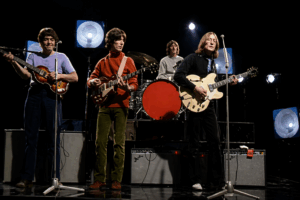
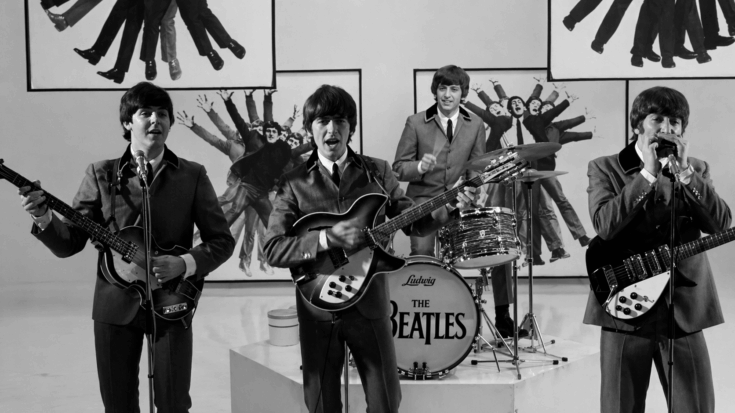
In 1960, The Beatles were not yet the polished force that would take over the world. They were a struggling group of young men trying to survive one setback after another. Lineup changes came quickly, with drummers walking away or being pulled into national service, leaving the band unstable at a time when they needed consistency the most.
Life outside the stage was just as rough. John Lennon and Stuart Sutcliffe were living in poor conditions that drew public criticism, eventually leading to eviction. Their gigs were inconsistent, sometimes reduced to chaotic performances that barely paid enough to keep them afloat.
At one point, the group relied on food parcels just to get by. The idea of quitting was not far off. Without money, stability, or a clear path forward, their story could have ended before it truly began. What happened next came down to timing, desperation, and one unlikely figure.

Bruno Koschmider: The Unlikely Catalyst
Bruno Koschmider was not a typical music industry figure. A former circus performer and war survivor, he ran strip clubs and music venues in Hamburg’s St. Pauli district. His establishments were rough, loud, and unpredictable, but they attracted crowds hungry for something different.
Koschmider understood what his audience wanted. The phrase “mach schau,” meaning “make a show,” became his guiding rule. Bands were not just expected to play music. They had to entertain, provoke, and hold the attention of restless, often rowdy crowds that would quickly turn on anything dull.
Through promoter Allan Williams, Koschmider began hiring British bands to fill his venues. After more established acts turned him down, the opportunity eventually landed with a relatively unknown group from Liverpool. It was not a glamorous offer, but for them, it was a lifeline.
Where Survival Meant Transformation
When The Beatles arrived in Hamburg, they stepped into a completely different world. The Indra Club and Kaiserkeller were intense environments where performances stretched for hours, often in front of demanding and unpredictable audiences.
To keep those crowds engaged, the band had to evolve quickly. They played longer sets, experimented with their stage presence, and learned how to command attention. This was where their raw energy started to take shape into something more deliberate and powerful.
The experience forced them to grow. Paul McCartney, George Harrison, and Lennon sharpened their musical instincts through repetition and pressure. What began as survival gradually became refinement, turning them into a tighter, more confident group.
“Mach Schau” and the Birth of a Phenomenon
Koschmider’s demand to “make a show” left a lasting mark on the band. It pushed them beyond simply playing songs and into creating a full performance. They learned to engage the audience directly, inject humor and chaos into their sets, and embrace a level of unpredictability that kept people watching.
That edge became part of their identity. The seeds of their later stage dominance were planted in those Hamburg nights. By the time they left Germany, they were no longer a struggling act trying to survive. They were a band that knew how to perform under pressure and win over any crowd.
Koschmider did not shape their music or write their songs, but his role was crucial at the exact moment they needed it. Without that opportunity, the trajectory of The Beatles might have been very different. His influence may be overlooked, but it helped turn a failing group into one ready to change popular music.