

David Lee Roth Comeback Sparks Debate Among Rock Fans
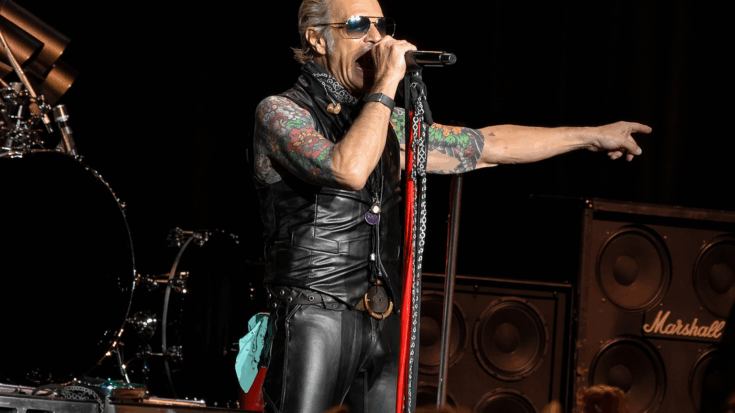
via "bigconcertfan.com" / YouTube
When David Lee Roth stepped back onto the stage in 2026, it didn’t take long for people to start talking. His return came with the kind of attention only a legacy figure can command, especially one so closely tied to the rise of Van Halen. A single fan-shot video was enough to spark a wave of reactions online, proving that even now, Roth remains a lightning rod for opinion.
The clip focused heavily on his vocals, and that became the center of the conversation. Some longtime listeners were quick to point out what they felt was a noticeable decline. Comments ranged from disappointed to outright harsh, reflecting how deeply fans still care about how these songs are delivered decades later.
At the same time, the reaction wasn’t entirely negative. The discussion itself revealed something more important. Roth’s return wasn’t being ignored or dismissed. Instead, it reignited a familiar question in rock culture about longevity, legacy, and how artists evolve in front of an audience that remembers their peak.
Critics Speak Loudest, But Not Alone
The loudest voices early on came from critics within the fanbase. For some, hearing Roth perform live again didn’t match the memories they had built around classic recordings. That gap between expectation and reality fueled much of the backlash seen across social media.
Still, it would be misleading to treat the criticism as the full picture. Other fans pushed back, arguing that focusing only on vocal precision misses the point of a live rock performance. For them, Roth’s stage presence and personality still carry weight, even if the voice isn’t what it once was.
This divide highlights a broader tension among rock audiences. Some prioritize technical consistency, while others value energy and authenticity. In Roth’s case, both sides seem firmly planted, and neither appears ready to back down anytime soon.
A Setlist Built on Legacy
Roth’s 2026 tour leans heavily into the catalog that made him famous. Songs like “Panama,” “Hot for Teacher,” and “Jump” continue to anchor his performances, offering a direct connection to the era that defined his career. These tracks remain crowd favorites, and their inclusion is no surprise.
He has also added a few deeper cuts and unexpected choices into the mix. Bringing back “Little Dreamer” after more than two decades gave longtime fans something new to appreciate. A cover of “New York State of Mind,” originally by Billy Joel, added another layer to the show, showing that Roth is still willing to experiment within his format.
The overall setup of the tour reflects a clear intention. With a larger backing band and multiple supporting vocalists, the performances aim to recreate the spirit of classic arena rock rather than simply replicate old recordings. It’s a different kind of experience, one that leans into spectacle as much as sound.
The Ongoing Question of When to Stop
Roth’s comeback feeds into a conversation that has followed rock music for years. As artists age, the question of when to step away becomes harder to answer. There is no clear rulebook, and every performer handles it differently.
For some fans, the idea of retirement is tied to preserving legacy. They would rather remember an artist at their peak than watch them struggle to meet past standards. Others see continued performance as something to celebrate, a sign that the passion for music hasn’t faded.
In Roth’s case, both perspectives are on full display. His 2026 tour has drawn both criticism and praise, sometimes from the same corners of the fanbase. That tension may never fully resolve, but it keeps the conversation alive. And as long as people are still arguing about it, it means the music and the performer still matter.