
The Singer Behind Bruce Springsteen’s Greatest Love Songs
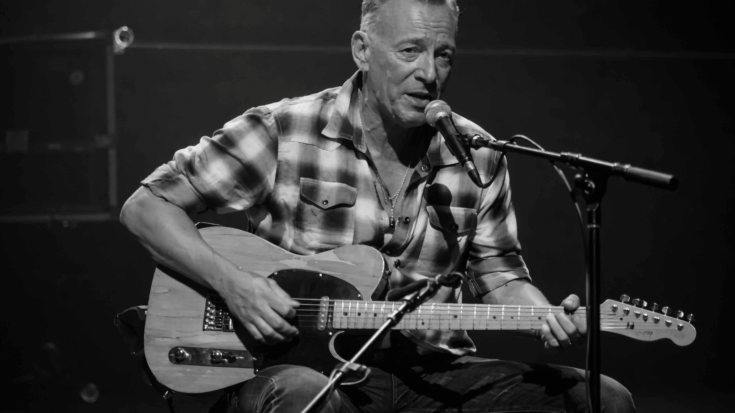
via "Bruce Springsteen" / YouTube
When people think of Bruce Springsteen, they often picture roaring highways, restless youth, and characters chasing something just out of reach. But woven into those stories are some of rock’s most memorable love songs—ones that rarely feel simple or carefree. Even at their most romantic, they carry a quiet tension, as if happiness could slip away at any moment.
That emotional weight didn’t happen by accident. Springsteen built his songs around characters who felt real, and that meant giving their relationships the same complexity as their dreams. Tracks from Born to Run and later albums weren’t just about falling in love—they were about wondering if love could survive everything else going on around it.
Over time, it became clear that Springsteen wasn’t just writing from his own point of view. His best love songs often felt like they understood both sides of a relationship. That approach didn’t come out of nowhere. It was shaped, in part, by another songwriter he deeply admired.
Learning From a Different Kind of Storytelling
Springsteen has openly praised Tom Petty for the way he wrote about women, and it’s easy to see why. At a time when many rock songs reduced relationships to clichés, Petty leaned in the opposite direction. His characters had their own lives, their own thoughts, and their own sense of direction.
Songs like “American Girl” and “Free Fallin’” didn’t just orbit around the singer—they gave the spotlight to the women themselves. That shift made the stories feel fuller, more grounded, and far more relatable. Instead of being muses, these characters became central figures.
Springsteen recognized that difference. He pointed out how unusual it was, and how effective it made the songs. That perspective—writing with empathy rather than ego—left a mark on how he approached his own material, especially when it came to love.
Writing Women as Real People, Not Symbols
One of the defining traits of Petty’s songwriting was his refusal to turn women into one-dimensional figures. In “Here Comes My Girl,” the relationship feels lived-in and personal. It’s not flashy or dramatic—it’s steady, familiar, and deeply human.
Even in darker moments, like the emotional unraveling heard in songs such as “Echo,” there’s a sense that both sides of the relationship matter. The heartbreak doesn’t come from one person playing a role; it comes from two people struggling to connect. That’s what gives the song its weight.
Springsteen carried that same idea into his own catalog. Whether it’s the hopeful escape in “Thunder Road” or the complicated emotions in Tunnel of Love, his female characters aren’t just part of the scenery. They influence the story, shape the outcome, and make the emotional stakes feel real.
How That Influence Shaped Springsteen’s Love Songs
Listening to Springsteen’s work after understanding this influence, the difference becomes clear. His songs don’t rely on grand gestures alone. Instead, they focus on the push and pull between two people trying to figure things out in real time.
There’s always a sense of uncertainty. In “Born to Run,” love is tied to escape and possibility. In “Tunnel of Love,” it becomes something fragile, tested by reality. These aren’t fairy tales—they’re snapshots of relationships in motion, with all their complications intact.
That’s what makes Springsteen’s love songs endure. By taking a cue from Petty and writing with empathy, he created stories that feel honest rather than idealized. The result is a body of work where love isn’t just something to celebrate—it’s something to understand.