

The Ronnie Radke–Brittany Furlan Dispute Just Entered a New Phase
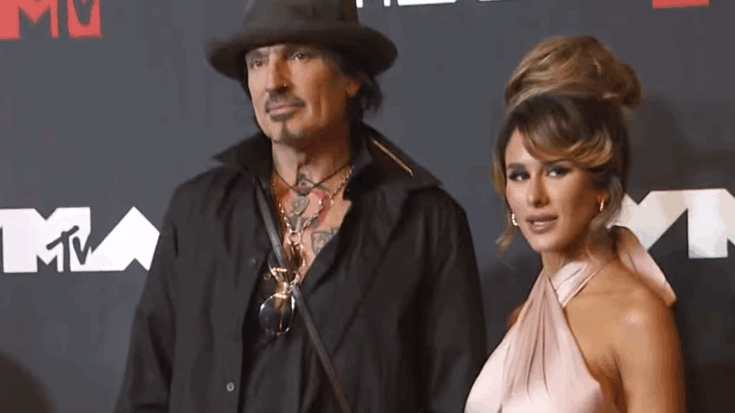
via E! News / YouTube
What began as an awkward and confusing social media situation has now shifted into formal legal territory. Ronnie Radke, best known as the frontman of Falling in Reverse, has filed a lawsuit aimed not at Brittany Furlan herself, but at individuals he claims impersonated him online. The move signals a notable escalation in a dispute that has lingered for months.
The lawsuit, first reported by TMZ, targets unnamed “John Doe” defendants accused of posing as Radke on Snapchat and Instagram. According to the filing, these impersonations allegedly date back to at least April of last year and were carried out with harmful or fraudulent intent. Radke maintains that these fake accounts played a central role in dragging his name into the controversy.
At the center of the original issue is Brittany Furlan, wife of Tommy Lee, who believed she had been communicating with Radke through Snapchat. As the situation spiraled into public accusations and online speculation, Radke has repeatedly insisted he was never involved. This lawsuit appears to be his most direct attempt yet to prove that claim.
The Legal Strategy Behind the Lawsuit
Rather than seeking damages, Radke has emphasized that his goal is access to technical evidence. Through the lawsuit, he plans to subpoena Snapchat in order to obtain metadata and IP addresses tied to the impersonator accounts. He argues that this data will definitively show he never sent messages to Furlan or anyone else connected to the scandal.
This approach reflects a broader shift in how public figures attempt to defend themselves in digital disputes. Instead of relying solely on statements or social media rebuttals, Radke is turning to platform data to establish a verifiable timeline. In cases involving impersonation, this kind of technical proof can be far more persuasive than personal denials.
The lawsuit also follows a setback in Radke’s earlier legal efforts. Prior to this filing, he attempted to secure a temporary restraining order against Furlan in Los Angeles, a request that was ultimately denied. That ruling appears to have pushed Radke toward a more targeted strategy focused on the alleged impersonators rather than the public figures involved.
Why the Dispute Refuses to Fade Away
The controversy has resurfaced multiple times since it first emerged in mid-2025. As reported by Loudwire, the situation initially came to light when Furlan revealed she had been communicating with someone she believed was Radke. The story gained wider attention after being featured on Catfish, bringing mainstream visibility to the dispute.
More recently, Furlan reignited the issue through Instagram story posts in early January, alleging that Radke himself created fake accounts to troll her, Lee, and Saraya. These renewed claims appear to have coincided closely with Radke’s decision to move forward with the impersonation lawsuit. The timing suggests a direct response to what he views as ongoing damage to his reputation.
Beyond the personal fallout, the case highlights a growing problem for celebrities navigating social media. Impersonation, anonymity, and platform limitations make it difficult to establish accountability when disputes turn public. Whether Radke’s legal strategy succeeds or not, the case underscores how quickly online misunderstandings can evolve into prolonged and highly visible conflicts.
https://twitter.com/CaliCourtnee/status/2007908750133465584