

Why David Byrne Wanted to Ban the Term “World Music”

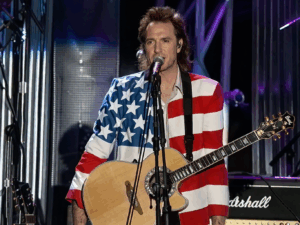
via "TUNE - Musical Moments" / YouTube
Music has always invited people to sort and label what they hear. Genres help listeners navigate a massive landscape, giving them a quick sense of what to expect. Terms like rock, soul, or hip-hop may not be perfect, but they usually point to something specific in sound, culture, or history.
Problems begin when a label becomes too broad to mean anything useful. That’s exactly where the phrase “world music” starts to fall apart. Instead of clarifying, it lumps together traditions, languages, and identities that have little in common beyond being unfamiliar to Western ears.
For David Byrne, that wasn’t just lazy—it was limiting. His frustration with the term wasn’t about rejecting global sounds, but about how they were being framed. In his view, the label erased nuance rather than celebrating it.
The Problem With a Catch-All Term
At first glance, “world music” might seem harmless. It sounds inclusive, even respectful. But in practice, it often becomes a convenient shortcut—a way to categorize anything that doesn’t fit neatly into Western pop or rock traditions.
The issue is that it groups vastly different styles under a single umbrella. Music from Brazil, Nigeria, India, and Mali all carry unique histories, rhythms, and cultural contexts. Calling all of it “world music” flattens those differences into something vague and indistinct.
That’s the contradiction Byrne pointed out. If all music comes from the world, then the term becomes meaningless. It ends up defining music not by what it is, but by what it isn’t—essentially “not Western,” which says more about the listener than the artist.
Byrne’s Critique and “I Hate World Music”
In 1999, Byrne made his stance clear with an essay bluntly titled I Hate World Music. The headline was intentionally provocative, but the argument underneath it was carefully considered. He wasn’t attacking the music itself—far from it.
Byrne had long been engaged with global sounds through his work with Talking Heads, especially on albums like Remain in Light. He also founded Luaka Bop, a label dedicated to introducing international artists to wider audiences. His investment in these sounds was genuine.
What he rejected was how the industry packaged them. In interviews, he described “world music” as something that risked turning rich musical traditions into background ambiance—what he once referred to as “exotic-sounding restaurant music.” That framing, he argued, stripped artists of their individuality and depth.
Beyond the Label: Listening With Context
Byrne believed that listeners were capable of more. When audiences connect with music emotionally, they begin to recognize the artist behind it, not just the category it was placed in. That connection opens the door to understanding culture in a deeper, more meaningful way.
He also pointed out that exposure was already breaking down barriers. Artists from different parts of the world were finding audiences beyond their home countries, not because they were labeled broadly, but because people responded to their sound, voice, and identity.
Letting go of the term “world music” doesn’t mean abandoning classification altogether. It means being more precise—and more respectful. When listeners take the time to recognize where music comes from and what makes it distinct, they don’t just hear something new. They understand it better.