

The Rolling Stones’ Biggest-Selling Songs of the 1970s
The 1970s should have belonged to The Rolling Stones. With The Beatles no longer casting a shadow and rock music leaning into excess, swagger, and freedom, the cultural climate seemed perfectly suited to the band’s image. Yet when you look closely at their biggest-selling songs of the decade, the story becomes more layered. The numbers reveal a group that was evolving in real time, shifting priorities, and redefining what success looked like for them.
Their dominance had already been cemented in the 1960s. Once they moved beyond early cover versions and began writing their own material, songs like “Paint It Black” and “(I Can’t Get No) Satisfaction” became towering statements of intent. Those hits did more than climb charts—they proved the band could stand on equal footing with anyone of their era. By the time the ’70s arrived, they were no longer chasing validation. They were shaping their next chapter.
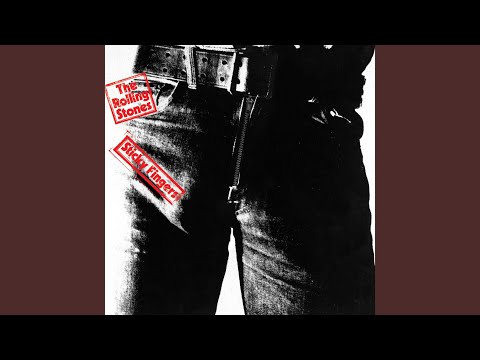
What makes the decade fascinating is how their biggest-selling singles often emerged from albums built with broader ambitions. Records like Sticky Fingers and Some Girls weren’t just collections of potential radio hits; they were cohesive statements that stretched their blues roots into new territory. From gritty, stripped-back rock to flashes of disco-infused rhythm, the band kept adapting without losing their edge. The songs that rose highest in sales during the ’70s reflect that restless spirit—and show that even when they weren’t chasing singles, they still knew how to land at the top.
“Fool To Cry” (Black And Blue, 1976)
Recorded during a period of transition, “Fool To Cry” arrived at a moment when the band’s internal chemistry was still in flux. Mick Taylor had already departed, and Ronnie Wood had not yet been formally cemented into the lineup. The sessions for Black And Blue doubled as open auditions, with different guitarists stepping in. On this track, Wayne Perkins provided the delicate, restrained playing that shaped its final form.
Rather than leaning into swagger, the song moves at a slower, more reflective pace. It’s a piano-led ballad that allows Mick Jagger to deliver one of his more vulnerable performances of the decade. The arrangement leaves space instead of filling it, which gives the track a sense of fragility rarely associated with the band’s public image. That contrast is part of what made it stand out on radio.
Commercially, it proved that a softer approach could still connect. The single climbed to number six in the UK and moved around one million copies, a solid showing in a crowded musical landscape. Even though Perkins did not secure a permanent place in the lineup, his contribution remains tied to one of the group’s biggest-selling singles of the era. For a band known for excess, this understated moment carried surprising weight.

“Tumbling Dice” (Exile On Main St., 1972)
Pulled from Exile On Main St., “Tumbling Dice” captured the looseness that defined the band’s early-’70s output. The groove feels unpolished in the best possible way, with Keith Richards’ guitar weaving through the rhythm section rather than dominating it. Mick Jagger rides the melody with a conversational ease, turning a tale of gamblers and romantic risk into something both ragged and catchy.
Within the context of the album, the track served as its most direct entry point. Jagger later acknowledged that it was the obvious single, the one song that felt immediately accessible amid the sprawl of the record. Its chorus, buoyed by gospel-style backing vocals, gave it a lift that translated well beyond the murky textures surrounding it.
On paper, its chart performance appears modest compared to other hits in their catalogue. It reached number five in the UK and number seven in the US, selling roughly 1.25 million copies. Yet those figures only tell part of the story. “Tumbling Dice” reinforced the band’s command of blues-inflected rock at a time when trends were shifting, and it helped keep Exile On Main St. firmly in public view.
“Brown Sugar” (Sticky Fingers, 1971)
Opening Sticky Fingers with a blast of riff-driven energy, “Brown Sugar” delivered the kind of immediacy that radio embraced instantly. The song’s tight structure and infectious guitar line made it one of the most recognisable singles of their career. It distilled their early-’70s sound into three and a half minutes of relentless momentum.
Lyrically, however, it remains one of their most controversial releases. The narrative touches on themes of slavery, race, sex, and drug use in a way that has sparked criticism for decades. Mick Jagger himself later admitted that he would not write those lines in the same way today, acknowledging the discomfort they create when heard through a modern lens.
Despite the controversy, its commercial impact was undeniable. The single reached number one on the US Billboard chart and climbed to number two in the UK, moving approximately 2.7 million copies. That level of success underscores the complicated legacy of the track. It stands as both a defining example of their early-’70s power and a reminder of how cultural standards have evolved since its release.
“Miss You” (Some Girls, 1978)
When “Miss You” arrived as the lead single from Some Girls, it caught many listeners off guard. Disco was dominating clubs and radio, and instead of resisting the trend, the band stepped directly into it. Charlie Watts and Bill Wyman locked into a sleek, dancefloor-ready groove, building the song around a pulsing bassline and steady four-on-the-floor rhythm that reflected late-night trips to New York discos.
Mick Jagger leaned into that atmosphere with a vocal that felt playful and restless at the same time. The track stretches out, allowing the rhythm section to carry its hypnotic momentum while Ronnie Wood and Keith Richards add flashes of guitar texture rather than heavy riffs. It marked a clear shift from the grit of their early-’70s material, showing they could absorb contemporary sounds without losing their identity.
The gamble paid off in emphatic fashion. “Miss You” climbed to number one in the United States, reached number three in the UK, and went gold in America. With reported sales of around 3.4 million copies, it became one of their most commercially successful singles of the decade. More importantly, it signaled that the band were still capable of leading rather than following, even as musical fashions changed around them.

“Angie” (Goats Head Soup, 1973)
Placed at the heart of Goats Head Soup, “Angie” revealed a more restrained side of the band’s songwriting. The arrangement is built around acoustic guitar and gentle piano, giving Mick Jagger room to deliver a vocal that feels intimate rather than defiant. It’s a reminder that beneath the bravado, they always had a gift for melody and mood.
The song’s lyrical ambiguity fueled endless speculation. Listeners searched for the identity of the mysterious “Angie,” tying the name to various figures in the band’s orbit. That curiosity only amplified its appeal, turning a straightforward ballad into a subject of public debate. The mystery added another layer to a composition that already stood apart from their harder-edged singles.
Commercially, it became the decade’s biggest seller for the band. “Angie” reached number one in both the US and Australia and climbed to number five in the UK, ultimately moving around 3.75 million copies. Its success demonstrated that their audience responded just as strongly to vulnerability as they did to swagger, rounding out a decade defined by both experimentation and enduring popularity.