

The 10 Wildest Rock Music Conspiracy Theories Fans Still Argue About
Rock stars have always felt slightly out of reach. Even when they insist they are just ordinary people with guitars, their lives seem to unfold on a different scale. Most fans will never stand backstage with the members of Led Zeppelin or share a quiet moment in a studio with Fleetwood Mac. That distance creates space for imagination, and in that space, rumors tend to grow.
Over the years, those rumors have hardened into full-blown conspiracy theories. Some revolve around bizarre twists of fate, others focus on mysterious deaths, hidden identities, or secret messages buried in vinyl grooves. A strange detail gets repeated often enough, a story becomes exaggerated in retellings, and before long it feels less like gossip and more like accepted lore. The line between documented history and fan fiction can blur quickly in rock culture.
Not every tale holds up under scrutiny. Touring is chaotic, fame is isolating, and creative pressure can push people into unusual situations without any supernatural explanation attached. Yet the mythmaking continues, partly because it is entertaining and partly because it satisfies a deeper need. There is something compelling about believing that extraordinary music must come from extraordinary, even otherworldly circumstances.
1. Phil Collins and the Drowning Man in “In the Air Tonight”
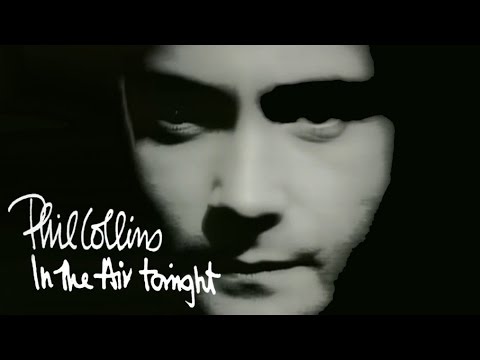
Phil Collins has long been treated as an easy punchline in classic rock debates. That reputation often overlooks his work as a precise and inventive drummer with Genesis, not to mention a songwriter who could slip emotional weight into radio-friendly hooks. Yet one of the most persistent stories about him has little to do with his musicianship and everything to do with alleged guilt hidden inside a hit single.
The rumor claims that “In the Air Tonight” was born from a real tragedy. According to the tale, Collins witnessed a man drowning while another bystander stood still and did nothing. Rather than intervening, he supposedly internalized the anger and later confronted the passive onlooker through the song’s lyrics. Over time, the story grew more dramatic, even suggesting that Collins invited the man to a concert and exposed him publicly as the drums thundered in.
Collins has repeatedly dismissed the entire narrative. The song emerged during the emotional fallout of his divorce, written as a way to process betrayal and frustration. Its tension builds from personal heartbreak, not a crime scene by the water. The famous drum fill carries the catharsis, and the lyrics reflect private turmoil rather than a real-life drowning. The myth survives because it adds a cinematic edge to an already intense track, but the truth is far more grounded.
2. Tom Petty’s “American Girl” and the Route 441 Legend
Tom Petty built a career on songs that captured restless youth and open highways. His writing often celebrated the small freedoms that make life feel wide and full of promise. “American Girl” fits neatly into that tradition, painting a portrait of longing and possibility set against the hum of passing cars.
One line about listening to traffic on Route 441 has fueled a darker interpretation. Over the years, listeners began linking the song to a supposed suicide at the University of Florida, claiming a young woman leapt from a dormitory near the highway. The theory reshaped the lyrics into a quiet prelude to tragedy, turning an anthem of yearning into something far more ominous.
Petty denied any connection to such an event. He described the song as a hopeful look at a young woman filled with dreams, not despair. The traffic noise represents movement and opportunity, not an ending. The conspiracy lingers because it casts a shadow over a familiar chorus, but the original intent was rooted in optimism and the restless pull of the road.

3. Stevie Nicks and the Bizarre Cocaine Rumor
Life inside Fleetwood Mac during the late 1970s has been well documented as chaotic and excessive. The making of Rumours unfolded amid romantic breakups, relentless touring, and heavy drug use. Cocaine was no secret in those circles, and several members have spoken openly about the toll it took on their health.
One persistent story centers on Stevie Nicks after doctors warned her about severe nasal damage from drug use. The medical concern was real, but fans carried the narrative into stranger territory. A rumor spread that she avoided further harm by having cocaine dissolved in water and administered through an entirely different, far more shocking method before performances.
Nicks has laughed off the claim as absurd. She has acknowledged her struggles and her eventual commitment to recovery, but the lurid details belong to fan imagination. The tale says more about the appetite for sensational stories than it does about her actual habits. In a band already surrounded by drama, exaggeration found fertile ground and refused to let go.
4. Jim Morrison’s Death and the Paris Disappearance Theory
The image of Jim Morrison has always felt suspended in smoke and shadow. Even decades after his death, it is difficult to separate the man from the myth that surrounded The Doors at their peak. His move to Paris in 1971 only deepened that mystique, placing physical distance between Morrison and the American spotlight he both thrived on and resisted.
When news broke that he had died of heart failure in a Paris apartment, details were scarce. There was no public autopsy, and only a small circle of people saw him in the days leading up to his burial at Père Lachaise Cemetery. The sealed coffin and the quiet funeral fueled suspicions, especially after his girlfriend Pamela Courson died a few years later. With so little concrete information, speculation filled the gaps, and the idea that Morrison staged his death to escape fame took hold.
Ray Manzarek occasionally entertained the possibility, suggesting that disappearing without explanation would have suited Morrison’s personality. Still, no credible evidence has ever surfaced to support the theory. Faking a death across continents would require more than poetic instinct and a leather jacket. The endurance of the rumor speaks to how strongly fans want Morrison to remain elusive, forever slipping just beyond reach.
https://twitter.com/werthro/status/1998202276415250689
5. KISS, Marvel Comics, and the Blood-in-the-Ink Stunt
KISS built an empire on spectacle. From the beginning, Paul Stanley and Gene Simmons understood that theatrical makeup and explosive stage shows could transform a band into something closer to comic book superheroes. Their image blurred the line between performance and fantasy, making it easy to believe almost anything about them.
When Marvel Comics announced a KISS-themed series in the late 1970s, the partnership seemed inevitable. Soon after, word spread that the band had literally mixed their own blood into the red ink used for the first print run. Given their flair for shock value, the rumor sounded like another outrageous marketing myth designed to thrill young fans.
This time, however, the story was real. The members attended a supervised blood-drawing session, and the samples were ceremonially added to the ink at the printing plant. It was more stunt than sorcery, but it perfectly matched the band’s larger-than-life persona. In an era before health regulations would shut such an idea down instantly, KISS turned a promotional gimmick into one of rock’s strangest confirmed tales.
6. Robert Johnson and the Crossroads Pact
Rock music owes a deep debt to the blues, and few figures loom as large as Robert Johnson. His recordings from the 1930s influenced generations of musicians who followed, from British rock bands to American revivalists. The speed of his artistic growth became part of his legend, especially when stories emerged about how suddenly his playing improved.
According to folklore, Johnson met the Devil at a rural crossroads in Mississippi. In exchange for his soul, he received unmatched skill on the guitar. The imagery is powerful: a lone musician under a night sky, striking a bargain that would echo through American music. It offers a supernatural explanation for talent that seemed to appear almost overnight.
Johnson’s early death at 27 added another layer to the myth. Poisoned, possibly by a jealous husband, and buried in an unmarked grave, his life ended as mysteriously as it had unfolded. Historians point to practice and mentorship as far more plausible reasons for his transformation. Even so, the crossroads story endures because it captures the darker undertones of the blues and the idea that brilliance must come at a cost.

7. Elvis Presley and the Never-Ending Sightings
Elvis Presley’s death in 1977 felt like a rupture in rock history. The image of the once-unstoppable performer found lifeless at Graceland was difficult for fans to reconcile with the larger-than-life figure who had dominated stages for decades. Grief often demands an explanation, and for many, the official story never felt complete.
The fact that his funeral was not broadcast live added fuel to the doubts. Speculation took root that the King had staged his own passing to escape fame and start over somewhere far from cameras and screaming crowds. Each blurry photograph of a stranger in sunglasses, each tabloid headline about a supposed sighting, extended the fantasy that Elvis had simply stepped out of the spotlight rather than left the world entirely.
One of the more persistent claims placed him in the background of Home Alone, standing unnoticed in an airport scene. The theory collapses under basic scrutiny, yet it resurfaces every few years with renewed enthusiasm. Presley’s cultural shadow remains so large that accepting his absence feels harder than imagining his quiet return. Even decades later, the refusal to let him go speaks volumes about the hold he still has on popular memory.
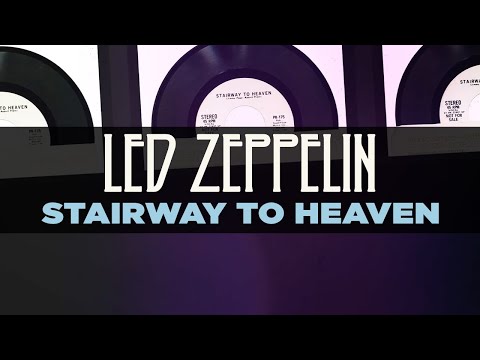
8. Led Zeppelin, Backmasking, and the “Stairway” Panic
Led Zeppelin’s mystique has always carried a darker tint. Jimmy Page’s open fascination with occult symbolism and esoteric literature invited curiosity, and sometimes suspicion. For listeners already wary of rock’s growing influence, the band’s imagery seemed to confirm their worst fears.
Attention eventually centered on “Stairway to Heaven.” If the record was played backwards, critics insisted, hidden messages praising Satan could be heard within the song’s midsection. The most cited phrase sounded like “Here’s to my sweet Satan,” though the clarity of that line depended heavily on imagination and a willingness to accept distorted audio as revelation. Playing vinyl in reverse became less an act of musical appreciation and more a ritual of confirmation bias.
The panic spread beyond Zeppelin, drawing other bands into accusations of subliminal corruption. Religious activists cited these supposed discoveries as evidence that rock music carried spiritual danger beneath its surface. Musicians responded with mockery as often as defense, aware that the claims relied on suggestion rather than substance. Whatever secrets “Stairway” holds, they reside in its chord changes and dynamics, not in a backward whisper waiting to be decoded.
9. Keith Richards and the Full-Blood Replacement Legend
Keith Richards has spent decades testing the limits of what a human body can endure. Stories of marathon recording sessions, chemical excess, and narrow escapes have become part of his public image. He moves through rock history like a survivor of every era, still standing long after many of his peers have fallen.
One tale claims that in the 1980s, Richards underwent a complete blood transfusion to cleanse his system of toxins. The rumor paints it as a dramatic medical reset, as though doctors drained and replaced every drop in his body to give him a second chance. It is an appealing explanation for how someone with such a chaotic lifestyle could keep touring and recording without missing a beat.
Richards himself has downplayed the idea, and medical experts have long dismissed the possibility of a total blood replacement in the way fans imagine it. His survival likely owes more to luck, resilience, and perhaps better timing than legend suggests. Even without the mythical procedure, he remains a symbol of endurance, proof that rock mythology sometimes writes itself without any help from hospital theatrics.
https://twitter.com/historyrock_/status/2001766924104212867
10. “Paul Is Dead” and the Beatles’ Hidden Clues
The Beatles reshaped popular music so thoroughly that even their shadows feel historic. Every chord change, album cover, and offhand studio comment has been examined as if it were scripture. That intense scrutiny created fertile ground for one of rock’s most elaborate conspiracy theories.
According to believers, Paul McCartney died in a car crash in 1966 and was quietly replaced by a look-alike. They point to supposed clues scattered throughout later releases: cryptic lyrics, reversed audio fragments, and symbolic imagery on album covers. The most famous example involves the final moments of “Strawberry Fields Forever,” where John Lennon appears to mutter “I buried Paul,” a phrase that fueled endless debate despite his clarification that he said something else entirely.
McCartney survived the real accident he experienced that year and continued to write and perform at a remarkable pace. The theory persists because it invites listeners to turn familiar records into puzzles, transforming pop songs into coded messages. It also reflects how deeply fans invest in the narrative of their heroes. Imagining a hidden replacement may be implausible, but it adds intrigue to a catalog already rich with history.