Ranking The 5 Best Years of the 1980s’ According To Music Videos

The 1980s didn’t just give rock music a bigger stage — they gave it a screen. Across ten fast-moving years, the music video transformed from a promotional add-on into a defining part of an artist’s identity. What began as a simple visual companion to a song evolved into something cinematic, theatrical, and at times, revolutionary. By the end of the decade, the right video could push a track from radio staple to cultural event.
Attempts to pair songs with visuals stretch back to the 1950s, and by the 1970s, bands were already experimenting with filmed performances to promote tours. But everything accelerated in 1981 with the launch of MTV. Suddenly, music wasn’t just something you heard — it was something you watched daily. Labels responded by pouring real budgets into short-form storytelling, and artists quickly realized that image, narrative, and spectacle could matter just as much as the riff or chorus.
As the decade unfolded, creativity took over. Location shoots, mini-adventure plots, social commentary, stylized humor — all of it became part of the language of rock video. Acts like The Police and Billy Idol embraced the format early, while Duran Duran’s globe-trotting clips in 1982 signaled a new level of ambition. By the late ’80s, music videos were shaping trends, launching careers, and redefining what it meant to promote a song. With that in mind, it’s worth asking: which years truly stood above the rest?
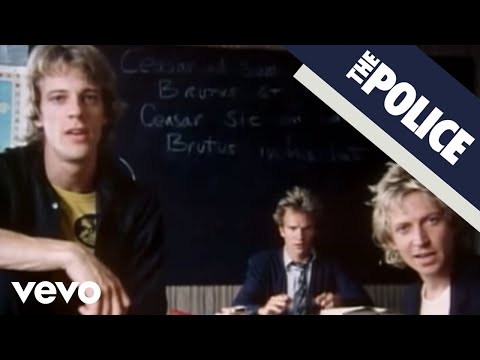
1980 – “Don’t Stand So Close to Me” by The Police (Zenyatta Mondatta)
The year opened with music videos still finding their footing. Most clips functioned as filmed performances, straightforward and efficient, designed to show a band playing rather than telling a story. MTV had not yet launched, and the industry had not fully committed to the idea that visuals could deepen a song’s impact. For many artists, the camera was simply another stage.
The Police took a different route with “Don’t Stand So Close to Me.” Instead of relying solely on performance shots, the band introduced a loose narrative built around the song’s uneasy premise. Sting’s background as a former teacher gave the storyline an added layer of authenticity, though the video avoids heavy-handed dramatization. The tension is implied rather than spelled out, leaving viewers to read between the lines.
Intercut with the suggestive classroom imagery are scenes of the trio performing in graduation caps and gowns, blending irony with playfulness. That mix of concept and performance helped the clip stand apart from its peers. At a time when most videos stayed within safe boundaries, this one hinted at the storytelling possibilities that would soon reshape the medium.
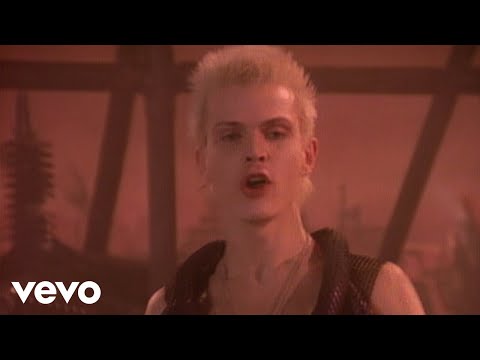
1981 – “Dancing With Myself” by Billy Idol (Don’t Stop)
Everything shifted in 1981 when MTV began broadcasting around the clock. The appetite for visual content grew almost overnight, and artists suddenly had a platform that rewarded personality as much as sound. Production values were still modest, but ambition was creeping in. The camera was no longer just documenting a band; it was crafting an image.
Billy Idol seized that opportunity early. In “Dancing With Myself,” he occupies a rooftop as chaos brews below, projecting defiance and swagger into the lens. The setting is simple, yet the mood feels cinematic — part dystopian fantasy, part punk manifesto. Idol’s bleached sneer and kinetic presence translated perfectly to the new television landscape.
The video helped cement him as one of MTV’s first breakout figures. It wasn’t lavish or effects-driven, but it understood the power of iconography. A striking face, a bold hook, and a memorable visual concept were enough to turn repetition into recognition. As MTV gained momentum, Idol’s clip proved how quickly the right image could amplify a song’s reach.
1982 – “Hungry Like the Wolf” by Duran Duran (Rio)
By 1982, the format was stretching far beyond studio sets and rooftop performances. Budgets expanded, directors grew bolder, and the idea of the “mini-movie” began to take shape. Labels realized that a compelling visual narrative could break a band in new markets. The competition for attention was rising, and creativity became currency.
Duran Duran embraced that shift with “Hungry Like the Wolf.” Backed by EMI and guided by director Russell Mulcahy, the band traveled to Sri Lanka to film a globe-trotting adventure. The clip plays like a stylized chase sequence, echoing big-screen influences while keeping the band at the center of the action. Exotic locations, cinematic framing, and a sense of mystery elevated the song beyond its radio presence.
The gamble paid off. The video became a defining image of the early MTV era and played a major role in the band’s breakthrough in the United States. It later earned the first Grammy for Best Short Form Music Video, underscoring how seriously the industry had begun to take the craft. More importantly, it showed that rock videos could aspire to the scale and imagination of feature films.
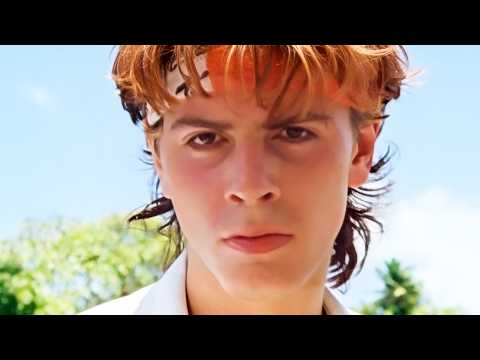
1983 – “Cum on Feel the Noize” by Quiet Riot (Metal Health)
Competition tightened in 1983 as bands began to understand how much a strong video could amplify a hit. Performance clips were still common, but audiences now expected something more immersive. Rock songs weren’t just heard blasting from speakers — they were seen reshaping bedrooms, basements, and living rooms across America.
Quiet Riot captured that idea perfectly with their take on “Cum on Feel the Noize.” The video opens in a teenager’s room plastered with band posters, a familiar shrine for any young fan. When he turns on the radio, the song detonates into a fantasy sequence: the bed rattles, the walls fracture, and the stereo swells to impossible proportions. What starts as a private listening session morphs into a portal straight into a Quiet Riot performance.
The concept was uncomplicated but cleverly executed. It mirrored the way rock music could feel seismic to a kid stuck in his room, craving something louder and bigger than his surroundings. The clip didn’t rely on elaborate effects, yet it left a lasting impression — and it helped push Quiet Riot from hard-working club band to chart-topping force.

1984 – “We’re Not Gonna Take It” by Twisted Sister (Stay Hungry)
By 1984, the music video had become a battleground for attention, and theatricality was often the winning move. Twisted Sister leaned fully into that spirit, crafting a clip that felt more like a rebellious sitcom episode than a standard rock promo. Humor, exaggeration, and a clear villain turned the screen into a stage for generational warfare.
Directed by Marty Callner, the video casts actor Mark Metcalf as an overbearing father whose tirade against rock music borders on cartoonish. His meltdown sets the scene for the transformation that follows, as the defiant son effectively channels Dee Snider and unleashes Twisted Sister into the household. Furniture flies, authority crumbles, and the “electric twanger” becomes a rallying cry rather than a nuisance.
The exaggerated family chaos made the message unmistakable. Rock wasn’t asking for permission — it was demanding space. Along with its companion piece “I Wanna Rock,” the clip turned Twisted Sister into unlikely pop culture figures and demonstrated how a recurring narrative could strengthen a band’s identity. In a decade fueled by attitude, this was rebellion delivered with a wink and a power chord.
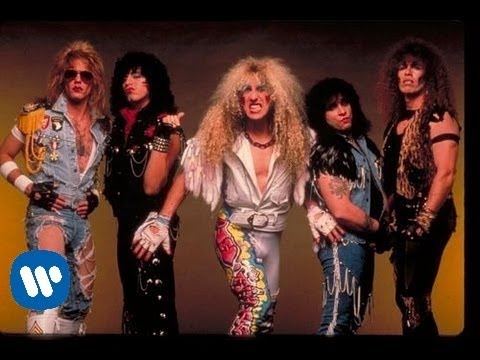
1985 – “Just a Gigolo / I Ain’t Got Nobody” by David Lee Roth (Crazy From the Heat)
Mid-decade excess reached a playful breaking point in 1985. Budgets were high, stars were larger than life, and MTV had become a cultural hub. Rather than simply participate in the spectacle, David Lee Roth decided to lampoon it — while still reveling in every flashy second.
In “Just a Gigolo / I Ain’t Got Nobody,” Roth presents himself as the host of “Dave TV,” a tongue-in-cheek framing device that lets him bounce between fantasies and send-ups of the era’s biggest icons. He inserts himself into stylized versions of other videos, poking fun at the grandiosity while showcasing his own charisma. The humor feels self-aware without losing the showmanship that made him a standout frontman.
The cameo-packed references — nodding to figures like Michael Jackson, Cyndi Lauper, and others dominating the airwaves — turned the clip into both parody and celebration. It acknowledged that music videos had become their own universe, complete with tropes and superstars. Roth’s response wasn’t to compete on seriousness but to outshine with personality, proving that confidence and cleverness could carry a video just as far as any blockbuster budget.

1986 – “Walk This Way” by Run-DMC Featuring Aerosmith (Raising Hell)
Rock and rap were rarely mentioned in the same breath in 1986. Each had its own audience, its own codes, and its own radio lanes. The idea that the two could share space — let alone thrive together — seemed unlikely. That tension is exactly what made “Walk This Way” feel electric the moment it hit television screens.
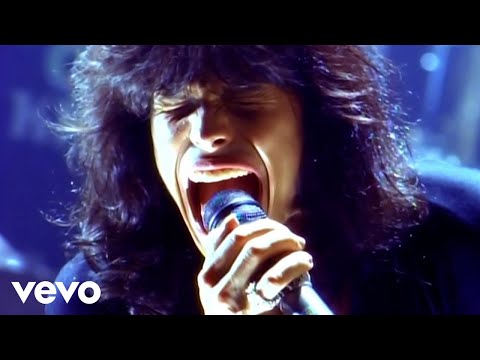
Producer Rick Rubin played a key role in connecting the dots, reintroducing Run-DMC to the full Aerosmith track they had been sampling onstage. At the same time, Steven Tyler and Joe Perry were searching for a second wind after rejoining Aerosmith. The Jon Small–directed video leans into the cultural standoff: two groups rehearsing in neighboring studios, blasting sound at each other through a shared wall.
When Tyler smashes through that wall with his microphone stand, it’s more than a visual gag. It becomes a metaphor for collapsing genre barriers. The final performance scene unites rappers and rockers in front of a shared audience, and the reaction was immediate. The song revitalized Aerosmith’s career and pushed Run-DMC further into the mainstream, opening the door for countless rap-rock collaborations that followed.
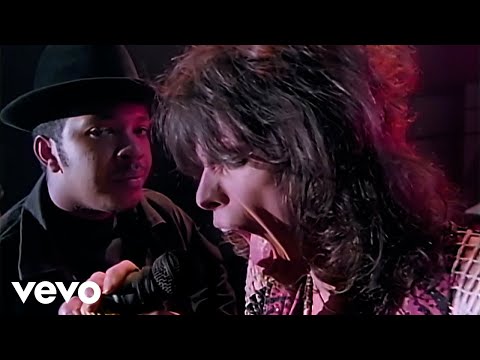
1987 – “Need You Tonight / Mediate” by INXS (Kick)
By 1987, directors were experimenting as boldly as the bands themselves. A strong hook still mattered, but inventive visuals could elevate a track into something unforgettable. INXS understood that mood and texture could be as powerful as narrative, and their two-part clip for “Need You Tonight / Mediate” embraced that philosophy fully.
Directed by Richard Lowenstein, the “Need You Tonight” segment blends live performance with manipulated imagery. Frames of 35mm film were photocopied, re-layered, and reinserted into the footage, giving the band a pulsing, almost tactile presence. The effect mirrors the song’s tight groove — sleek, minimal, yet charged with tension.
The transition into “Mediate” shifts the tone while paying homage to Bob Dylan’s cue-card style from “Subterranean Homesick Blues.” Band members flip lyric cards in stark sequence, trading the earlier visual collage for deliberate simplicity. The combined video earned five MTV Video Music Awards, including Video of the Year, and helped deliver INXS their first No. 1 single. It proved that technique alone, when thoughtfully applied, could define an era just as clearly as spectacle.

1988 – “Pour Some Sugar on Me” by Def Leppard (Hysteria)
Choosing a standout video in 1988 isn’t easy. Many clips that year leaned back into straight performance, focusing on stage presence rather than elaborate storytelling. Yet when performance is captured at its peak, it can be just as powerful as any scripted concept. That’s where Def Leppard’s “Pour Some Sugar on Me” earns its place.
Filmed during the band’s massive Hysteria tour, the video throws viewers directly into the center of the action. The “in the round” stage setup becomes part of the spectacle, with cameras circling alongside the band as thousands of fans close in from every angle. Instead of polished narrative beats, the clip relies on sweat, lights, and sheer volume.
It works because it feels authentic. The tour was one of the hottest tickets of the decade, and the video captures the momentum of a band firing on all cylinders. Rather than invent a cinematic storyline, Def Leppard let the scale of their live show speak for itself — and in doing so, delivered one of the defining arena-rock visuals of the late ’80s.

1989 – “Janie’s Got a Gun” by Aerosmith (Pump)
As the decade wound down, music videos had matured into full-scale productions. Budgets were higher, directors were more ambitious, and narratives grew darker and more complex. Aerosmith, once icons of the ’70s hard rock scene, stepped confidently into that environment with “Janie’s Got a Gun.”
Directed by David Fincher before his rise as a major film director, the clip unfolds like a tense drama rather than a conventional band performance. The story centers on abuse and revenge, with recognizable actors Kristin Dattilo, Nicholas Guest, and Lesley Ann Warren adding weight to the roles. The band appears within the framework of the plot, but the focus remains on the unfolding mystery.
The result was gripping and commercially successful. The song climbed to No. 2 on the Mainstream Rock chart and reached No. 4 on the Billboard Hot 100. More importantly, the video demonstrated how far the medium had come since the early ’80s. What began as simple promotional footage had become cinematic storytelling — and Aerosmith closed out the decade by proving they could thrive in that new language.