Dee Snider Warns New Songs Could Empty Concert Seats
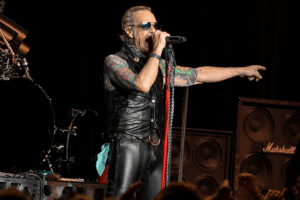
Dee Snider has spent decades watching crowds react in real time, and he isn’t shy about what he’s learned. In a recent conversation on Shout It Out Loudcast, the Twisted Sister singer laid out a blunt reality about modern concerts. For legacy acts, new songs can be a risk rather than a reward.
Snider’s point wasn’t about creativity running dry or artists losing ambition. It was about the psychology of audiences who come to shows with expectations shaped by decades of hits. When fans don’t recognize a song, he says, the energy in the room can shift almost instantly.
That reaction, according to Snider, isn’t subtle. People disengage, conversations start, and some even head for the exits. It’s an uncomfortable truth, but one he says veteran performers have been quietly dealing with for years.
Why New Songs Can Break the Spell
Snider described how unfamiliar material can leave audiences feeling disconnected. Concerts thrive on shared moments, and when a song doesn’t ring a bell, that connection weakens. Instead of singing along, fans are left waiting for something they know.
He pointed to Elton John as an example of how even the most celebrated artists feel that pressure. John has openly admitted being nervous about touring behind new material because the crowd response simply wasn’t the same. According to Snider, audiences would “glaze over” the moment the set moved away from classics.
That reaction creates a dilemma. Artists want to evolve, but live shows depend on momentum. When that momentum stalls, it becomes clear why many performers start rethinking how much new music belongs in a concert setting.
How Legends Adjust to Audience Expectations
Snider also brought up Billy Joel, noting that Joel eventually stopped releasing new songs altogether. The reason, as Snider tells it, was simple: fans weren’t interested. They wanted the soundtrack of their lives, not fresh chapters.
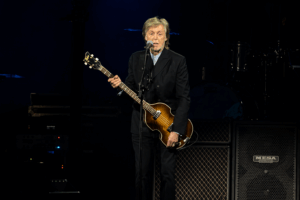
Paul McCartney, on the other hand, found a compromise. When McCartney introduces a new song live, he quickly follows it with a major hit. Snider describes it as “giving them a little sugar” to keep the audience locked in.
That strategy, Snider says, comes from caution rather than ego. Even artists at McCartney’s level understand how fragile audience attention can be. Losing the crowd, even briefly, is something no performer wants to risk.
What This Means for Twisted Sister’s Return
These insights land at an interesting moment for Twisted Sister, who have announced a 50th-anniversary world tour set for 2026. Branded Twisted Forever, Forever Twisted, the reunion brings founding members back on stage a decade after their farewell shows.
Given Snider’s views, expectations for the tour seem clear. Fans are likely to hear the songs that built the band’s legacy rather than a batch of unfamiliar material. With festival dates across Europe and confirmed U.S. appearances, including a stop at the Alaska State Fair, the focus appears to be celebration over experimentation.
Snider’s comments don’t dismiss new music outright. Instead, they reflect a lifetime of reading rooms and understanding what fans truly want from a live show. As Twisted Sister gears up for their anniversary run, that hard-earned wisdom may be exactly what keeps the seats filled and the energy high.
https://twitter.com/HeavyHardMusic/status/1998769673995796726