

’80s Hits Fans Are Finally Ready to Leave Behind

via Rick Astley / YouTube
There’s a strange moment that happens with certain hit songs. At first, they feel unstoppable—clever, exciting, maybe even a little life-changing. Then repetition sets in. Radio rotation, movie soundtracks, commercials, weddings, karaoke nights. Eventually, the song stops feeling like music at all and turns into background noise: instantly recognizable, but oddly empty.
The 1980s produced more than its share of these casualties. The decade thrived on big hooks, glossy production, and choruses built to be shouted by tens of thousands at once. That formula worked—but it also meant some songs were engineered for saturation. Add in the era’s signature sounds, from arena-sized guitar tones to relentlessly bright synthesizers, and even strong tracks could wear out their welcome.
None of this means the songs were poorly written or undeserving of their success. Taste shifts, tolerance fades, and familiarity can dull even the strongest melodies. For listeners who’ve lived with these tracks for decades, the fatigue is real. What follows isn’t an attempt to rewrite history—it’s simply an acknowledgment that some ’80s hits have crossed the line from beloved classics into songs many fans are ready to stop hearing.
Yes, We Stopped. Please Let the Midnight Train Rest
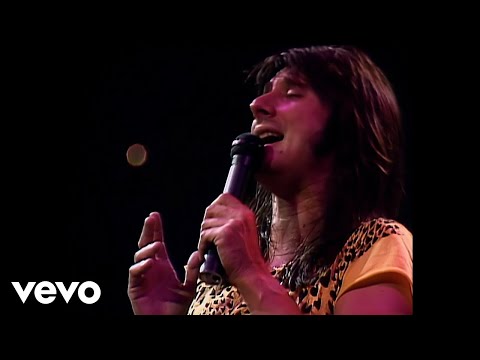
At this point, it’s fair to say the song has outlived its original moment—and then some. “Don’t Stop Believin’” has become less of a track and more of a permanent fixture, popping up everywhere from sports arenas to bar jukeboxes. Its presence is so constant that the opening notes barely register as music anymore. They function more like a reflex, triggering a collective singalong whether anyone asked for it or not.
What makes this endurance strange is that the song wasn’t even Journey’s biggest chart success at the time. It peaked at No. 9 upon release, while other tracks from Escape climbed higher. Yet decades later, it’s “Don’t Stop Believin’” that refuses to leave the conversation, continuing to rack up massive streaming numbers and reappear on global charts long after its original run should’ve ended.
Musically, the song walks a fine line between sincerity and excess. Neal Schon’s opening guitar figure leans into melodrama, while the keyboard sound keeps things smooth rather than abrasive. Steve Perry’s vocal performance is undeniably strong, even if it’s drenched in sentiment. The irony is that its durability may stem from its simplicity—something Schon himself once admitted came from being asked to write something intentionally basic.
Congratulations, Rick. You Won the Internet Forever
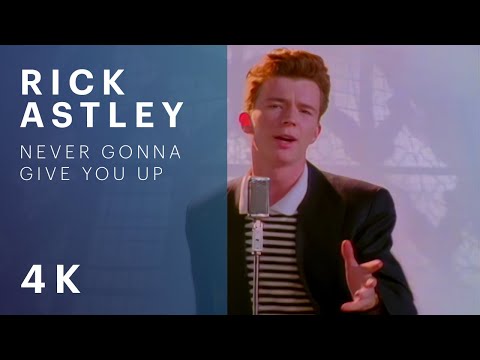
Long before it became an internet punchline, “Never Gonna Give You Up” was already inescapable. The song’s cheerful delivery and glossy production made it an immediate hit, and its video sealed its place in pop culture. Decades later, the joke may have changed, but the repetition hasn’t. What once felt playful now feels unavoidable.
When Astley released the song at just 21 years old, it exploded worldwide, hitting No. 1 across multiple countries and dominating the Billboard Hot 100 for weeks. Then, just as suddenly, he stepped away from the spotlight. The track might’ve faded into ‘80s nostalgia if not for its unexpected second life in the late 2000s, when rickrolling turned it into a permanent online fixture.
Strip away the meme and the song is still aggressively sweet. The drum machine intro is pure late-’80s, and Astley’s baritone remains warm, even if it’s boxed in by the production. The problem isn’t how it sounds—it’s how often it insists on reminding us of what it’s never going to do. After decades of hearing the same promise, some listeners are ready to take him up on it and move on.
The Synth Heard ’Round the World (Again and Again)
“Jump” announces itself immediately, and it never really lets up. From the first synth hit, the song locks into a relentless pulse that barely shifts for its entire runtime. That consistency—paired with David Lee Roth’s exaggerated swagger—makes the track feel louder and longer than it actually is, even before factoring in its famously unavoidable video.
Despite all that, the song was a juggernaut upon release. It spent five weeks at No. 1 and became Van Halen’s biggest commercial success. It’s now surpassed a billion streams, comfortably outpacing many of the band’s earlier, more guitar-driven songs. For listeners who embraced it early, none of this is a problem—it’s exactly what they signed up for.
The real dividing line may be Eddie Van Halen’s decision to center the song around synthesizer rather than guitar. While his legacy as a guitarist remains untouchable, “Jump” represents a moment where novelty overtook nuance. Whether that choice was bold or cursed is still up for debate, but after decades of airtime, plenty of listeners are ready to let the song do exactly what its title suggests—leap away.

We’ve Thought About It. We’re Done Thinking
The song asks a question that, after four decades of airplay, feels thoroughly answered. “I Want to Know What Love Is” moves slowly, deliberately, as if building toward a revelation that never quite lands. Each listen stretches the sentiment a little thinner, until the emotion starts to feel imposed rather than earned. It’s earnest to a fault, and repetition has not been kind to that kind of sincerity.
The track came from a genuine place. Guitarist Mick Jones wrote it during a turbulent period marked by personal upheaval and internal band tension, and that vulnerability helped push the song to No. 1. The addition of a gospel choir was meant to elevate the message, giving it a sense of spiritual weight that matched Jones’ intentions. At the time, it worked. The song connected broadly and deeply.
But endurance has its limits. The floating synths, shimmering guitars, and direct-to-the-heart lyrics have been heard so many times that the emotional punch has dulled. Lou Gramm delivers the vocal convincingly, but familiarity has turned intensity into strain. After countless listens, many fans don’t need to ask the question anymore—and don’t want to hear it asked again.
Seven Minutes Is a Long Time to Want the Same Thing
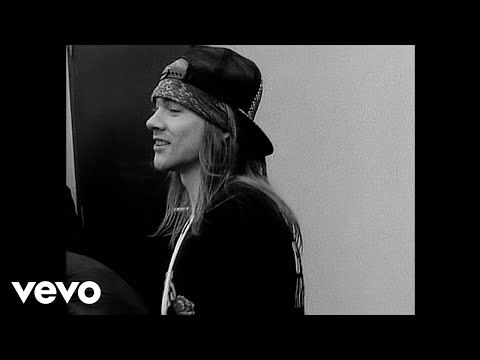
It doesn’t take long for “Paradise City” to make its point—and then make it again, and again. The song circles the same refrain relentlessly, stretching a simple idea across nearly seven minutes. What starts as excitement gradually turns into endurance, especially once the chorus locks in and refuses to let go.
That doesn’t erase the song’s strengths. Slash’s guitar lines cut sharply, the rhythm section hits with precision, and the arrangement is undeniably effective. Alongside “Welcome to the Jungle” and “Sweet Child O’ Mine,” the track helped push Appetite for Destruction to No. 1 and cemented the band’s place in rock history. The album’s success was deserved, and its influence is still felt.
The problem is saturation. When a song becomes a guaranteed closer at every event, its impact fades. “Paradise City” has been played so often that even its best moments feel predictable. At this stage, it’s less about disliking the track and more about needing distance—enough time away for the thrill to feel like something worth returning to.