
The Most Timeless ’80s Love Ballads That Still Hold Up Today

via RHINO / YouTube
Falling in love in the 1980s came with its own atmosphere — bright colors, dramatic gestures, and a soundtrack that took emotions seriously. Romance didn’t live quietly in the background back then; it arrived front and center, usually through a song that said exactly what you were feeling when you couldn’t quite find the words yourself. Whether it was playing on the radio, spinning on a cassette, or carefully placed on a handmade mixtape, these ballads became part of the memory of loving someone in that moment.
The decade leaned into feeling without restraint. Big melodies, swelling arrangements, and vocals pushed to their emotional limits weren’t accidents — they were the point. These songs weren’t shy about longing, regret, or devotion, and they didn’t apologize for aiming straight at the heart. Even the most dramatic moments felt earned, carried by performances that still resonate long after the hairstyles and fashion faded away.
Love songs are personal by nature, and the ’80s offered plenty of candidates to attach to a first dance, a breakup, or a quiet drive home at night. While everyone has their own favorite, a small group of ballads has endured beyond trends and nostalgia. Built on honest emotion and strong songwriting, these tracks continue to sound just as affecting today as they did decades ago — proof that the right love song doesn’t age, it settles in.
“Faithfully” by Journey (Frontiers, 1983)
Some love songs feel cinematic; this one feels lived in. Written from the perspective of a musician worn down by the road, “Faithfully” captures the quiet ache that settles in when distance becomes part of devotion. The restrained piano intro sets a reflective tone before the song gradually opens up, mirroring the way longing builds when nights are spent apart. It’s romantic without being idealized, grounded in the reality of choosing commitment even when it’s inconvenient.
What gives the song its lasting weight is how easily it escaped its original context. You don’t need to be chasing tour buses to recognize the emotion at its center. Anyone who has ever maintained a relationship across miles hears themselves in the lyrics, especially as the verses stretch out the tension between duty and desire. When the chorus finally arrives, it lands less like a declaration and more like a promise that’s already been tested.
The final stretch elevates the song from heartfelt to unforgettable. The guitar solo doesn’t interrupt the emotion — it deepens it, circling back into Steve Perry’s soaring vocal with purpose. Journey had already proven they could write enduring ballads, but “Faithfully” pushed further into vulnerability. Decades later, it remains a benchmark for sincerity, one that still feels honest every time it comes on.
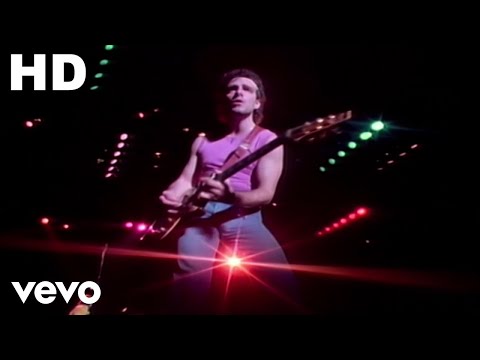
“I Want to Know What Love Is” by Foreigner (Agent Provocateur, 1984)
By the time this song arrived, Foreigner had nothing left to prove as a rock band — which made its vulnerability stand out even more. Instead of leaning on grit or attitude, the track opens itself to uncertainty, asking a question rather than offering answers. The arrangement builds patiently, allowing space for reflection before swelling into something communal and expansive.
What separates this song from many of its peers is how broadly it defines love. The lyrics never pin the emotion down to romance alone, leaving room for spiritual searching, personal growth, or simple human connection. That openness helped it resonate far beyond the charts, turning it into a shared experience rather than a private confession. When the gospel choir enters, it doesn’t feel indulgent — it feels earned.
Time has only reinforced its staying power. Even as Foreigner’s catalog continues to find new listeners through pop culture rediscovery, this song remains the emotional centerpiece. It still carries the same sense of yearning it did upon release, proving that questions about love don’t age. They just wait for the next person ready to ask them.

“Total Eclipse of the Heart” by Bonnie Tyler (Faster Than the Speed of Night, 1983)
This song doesn’t ease its way into your emotions — it grabs hold immediately and refuses to let go. From the opening piano line to the shadowy imagery woven throughout the verses, everything signals high drama ahead. Bonnie Tyler’s raspy voice gives the song a weathered intensity, sounding less like performance and more like emotional release.
The lyrics move through longing, regret, and desperation with theatrical flair, but they never feel hollow. Each turn of phrase leans into the discomfort of wanting something that feels just out of reach. When the chorus hits, it doesn’t explode so much as overwhelm, pulling the listener into the same emotional spiral the singer can’t escape.
Its endurance comes from commitment to the moment. The song doesn’t wink at its own excess or try to soften the blow — it leans fully into heartbreak and lets the listener come along for the ride. That sincerity is why it still works decades later. No matter how many times it’s heard, “Total Eclipse of the Heart” remains impossible to experience halfway.

“Endless Love” by Lionel Richie and Diana Ross (Endless Love, 1981)
There’s an unmistakable tenderness to the way this song unfolds, as if it’s overhearing something deeply personal rather than listening to a polished studio recording. Lionel Richie and Diana Ross don’t rush their way through the verses; instead, they let the emotion breathe, trading lines with a softness that feels almost ceremonial. The melody drifts gently, giving their voices room to intertwine in a way that sounds less like a duet and more like a shared confession.
The song’s origins as a film theme hardly limit its impact. While it was written to serve a dramatic on-screen romance, it quickly outgrew that role, becoming a staple for weddings, slow dances, and quiet late-night listening. Its chart success only reinforced what listeners already felt — this was a song people wanted to live inside, not just hear once and move on from.
What truly gives “Endless Love” its staying power is its emotional clarity. There’s no irony, no second-guessing, no emotional armor. The gradual build toward the final moments feels earned, not overstated, and when the song resolves, it leaves a lingering warmth rather than theatrical excess. It remains a masterclass in how restraint can make love songs feel timeless.

“Time After Time” by Cyndi Lauper (She’s So Unusual, 1984)
This song quietly redefined how listeners understood Cyndi Lauper. Known for bright colors and playful energy, she instead leaned into vulnerability here, revealing a songwriter capable of remarkable emotional precision. “Time After Time” doesn’t announce itself as a power ballad; it invites you in slowly, trusting the listener to meet it halfway.
The arrangement is deliberately spare, allowing every lyric to land without distraction. Lauper’s voice carries a fragile steadiness, especially as the chorus arrives — not with force, but with reassurance. It’s the sound of someone promising constancy, even when circumstances feel uncertain. That sense of emotional reliability is what makes the song resonate so deeply.
Its endurance speaks for itself. Decades later, the song still finds new life through covers, playlists, and shared moments where words feel inadequate. While Lauper’s catalog contains plenty of unforgettable hits, “Time After Time” holds a unique place — a reminder that sincerity, when delivered without pretense, never loses its pull.