

5 ’70s Rock Songs With Openings You Never Forget

via nightly moth / YouTube
There’s always that split-second moment when a song begins—the point where a listener decides whether to lean in or tune out. No matter how many times people say to give a track time, instinct usually takes over. A few notes, a drum hit, or a voice cutting through silence can be enough to lock someone in. The best artists understood this, and they didn’t waste that opening moment.
The 1970s delivered no shortage of legendary rock songs, but not all of them took the same path. Some built slowly, revealing their brilliance over time. Others came out swinging, grabbing attention before the first verse even settled in. These were the tracks that didn’t ask for patience—they demanded it from the very first second.
This list focuses on those unforgettable openings—the riffs, melodies, and moments that instantly set a song apart. Whether it’s a guitar line that became instantly recognizable or a vocal that hits with perfect timing, these intros did more than start a song. They defined it, turning a few opening seconds into something listeners still recognize decades later.
“Ventura Highway” by America (Homecoming, 1972)
That opening guitar figure feels like sunlight breaking through the windshield. Before a single lyric lands, the tone is already set—easy, warm, and quietly hypnotic. It’s the kind of intro that doesn’t demand attention in a loud way, but still pulls you in almost instantly, like you’ve stepped into a memory that’s already in motion.
The song grew out of a simple idea, with Dewey Bunnell drawing from images of open roads, Midwestern stillness, and the promise of California skies. Gerry Beckley’s now-famous lick became the anchor, looping through the track with a steady confidence. There’s nothing rushed about it. Everything unfolds at its own pace, but that first moment makes it clear exactly where you’re headed.
From there, the track never really lets go of that feeling. It carries a sense of freedom that sticks from beginning to end, but it’s that opening phrase that does most of the heavy lifting. In just a few seconds, it captures movement, nostalgia, and the quiet thrill of going somewhere without a plan.

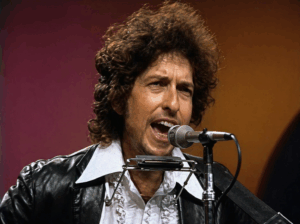
“Idiot Wind” by Bob Dylan (Blood on the Tracks, 1975)
There’s no easing into this one. Right from the start, the mood is tense, restless, and sharply personal. Bob Dylan comes in sounding like he has something to unload, and he doesn’t waste time dressing it up. The opening lines hit with a kind of raw edge that immediately signals this won’t be a gentle listen.
The track stretches close to eight minutes, but its foundation is built in those first few moments. Dylan’s voice, strained and cutting, rides over a band that feels loose but purposeful. The anger in the lyrics isn’t hidden—it’s front and center, paired with a delivery that sounds both exhausted and defiant at the same time.
What makes the intro linger is how alive it feels. The bitterness is clear, but so is the energy behind it. There’s a strange pull to it, almost addictive, as the groove locks in and refuses to back down. By the time the first lines pass, the tone has already been sealed for everything that follows.

“My Sweet Lord” by George Harrison (All Things Must Pass, 1970)
The first notes arrive gently, almost like a quiet invitation. Acoustic strumming lays the groundwork, while a soft electric line weaves in and out with careful precision. It doesn’t rush to make a statement. Instead, it builds a sense of calm that settles in before the song fully reveals itself.
George Harrison’s solo debut carried a sense of personal release, and that comes through clearly in the way this track opens. When his voice enters with the repeated “My sweet Lord,” it feels less like a performance and more like a reflection. The simplicity of that moment is what makes it stick—it’s easy to follow, but hard to forget.
As the arrangement grows, the song expands into something larger and more layered. Still, everything circles back to that introduction. It’s where the atmosphere is formed, where the emotional tone is set, and where the listener is drawn into a space that feels both intimate and expansive at once.

“Blitzkrieg Bop” by Ramones (Ramones, 1976)
The opening hits like a jolt of electricity. Guitars crash in with a rough-edged rhythm, drums snapping tight behind them, and there’s no buildup to soften the impact. It feels immediate and physical, the kind of start that makes you move before you even realize it.
Then comes the chant—simple, loud, and impossible to ignore. “Hey ho, let’s go!” cuts through with a raw, almost live energy, like the band is right in front of you. The guitars briefly pull back, giving space for that moment to land, and it turns into something more than just an intro. It becomes a call to action.
From there, the song never slows down. Everything about it is built on momentum, and that opening stretch locks the pace in place. It’s short, fast, and direct, but those first seconds do all the work, setting up a track that feels just as urgent decades later.

“Dreams” by Fleetwood Mac (Rumours, 1977)
A soft pulse greets you first, carried by a steady drum pattern and airy keys that seem to float rather than push forward. The atmosphere forms quietly, but with intention, creating a space that feels both calm and slightly uneasy at the same time.
When Stevie Nicks enters, everything clicks into place. Her voice doesn’t overpower the arrangement—it glides across it, matching its tone perfectly. The opening lines land with a mix of restraint and emotion, sketching out a situation that feels personal without giving everything away.
That balance is what makes the intro linger. It sets the mood, introduces the tension, and invites the listener in without forcing anything. As the song unfolds, the layers deepen, but those first moments already hold the essence of what makes it unforgettable.