

5 Rock Songs From 1981 That Changed Music Forever

via Journey / YouTube
1981 didn’t arrive quietly. It came in with a sense that something was shifting, both in sound and in how music was experienced. Rock was shedding the leftovers of the previous decade while stepping into something sharper and more deliberate. There was still grit at its core, but now it carried a cleaner edge, as if the genre had figured out how to hit just as hard without losing control.
It was also a year where artists proved what they were really made of. Bands that had been building momentum suddenly broke through in a major way, while others showed they could stand on their own without the safety net of a group. At the same time, a new wave of performers pushed forward with attitude and presence, giving rock a renewed sense of personality. The arrival of music television only amplified everything, turning songs into moments that people didn’t just hear, but saw and remembered.
What followed in the decade would take rock in all kinds of directions, from polished arena anthems to heavier, more extreme styles. But right at the start, there was a brief window where everything felt balanced—raw energy, strong songwriting, and just enough gloss to push it forward. The songs that came out of that moment didn’t just succeed in their time; they set a tone that would echo throughout the years that followed.
“I Love Rock ‘N Roll” by Joan Jett and the Blackhearts (I Love Rock ‘N Roll, 1981)
Joan Jett had already paid her dues before this song exploded, but this was the moment everything aligned. Covering a relatively obscure track by the Arrows, she didn’t just revive it—she owned it. The riff hit hard, the attitude felt undeniable, and suddenly there was no question that she could lead a band that sounded just as heavy and confident as any of her male counterparts.
What made the impact even stronger was the presence behind it. Jett wasn’t trying to fit into the mold that the industry had built—she tore through it instead. With a guitar slung low and a voice that carried both grit and swagger, she pushed forward a kind of energy that felt both rebellious and accessible. It built on the path opened by earlier female rockers, but it also made that path wider for those who followed.
When the song climbed to No. 1 and stayed there for weeks, it confirmed what listeners already felt. This wasn’t a novelty or a one-off success—it was a shift in how rock could look and sound. Even if she never repeated that exact chart run, the song itself became permanent, the kind that keeps showing up wherever loud guitars and confidence are welcome.
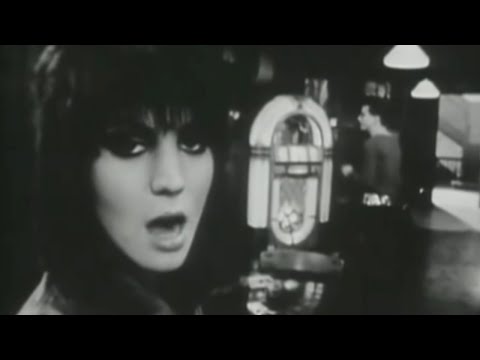
“Don’t Stop Believin'” by Journey (Escape, 1981)
Journey hit a turning point with this release, locking in a sound that would define them for years. The song opens quietly, almost patiently, before building into something that feels massive without ever losing its clarity. It showed how a rock track could carry both muscle and melody, drawing listeners in instead of overwhelming them.
By this stage, the band had found its identity. Steve Perry’s voice gave their songs a sense of direction, while the songwriting focused on hooks that stayed with you long after the music stopped. There was a sense of purpose in how everything fit together, from the steady rhythm to the gradual lift that made the chorus land exactly where it needed to.
Over time, the song took on a life far beyond its original release. It became a staple at live shows, bars, and late-night singalongs, a track that people instinctively know how to join. Trends may have shifted, and its overuse in pop culture sparked debate, but the core of it remains untouched—a song that captured hope in a way that never really went out of style.

“Tom Sawyer” by Rush (Moving Pictures, 1981)
Rush approached rock from a different angle, and this track made that clear from the first listen. Instead of sticking to familiar structures, they leaned into complexity without losing momentum. The shifting rhythms and layered arrangement didn’t feel like a barrier—they felt like an invitation to hear what rock could become when pushed further.
Each member brought something distinct to the table. Geddy Lee’s voice cut through with a tone that didn’t rely on raw aggression, while Neil Peart’s drumming added a level of precision that felt almost architectural. Alex Lifeson filled the space with textures that gave the song both weight and movement, making it feel expansive without drifting away from its core.
Even without dominating the charts, the track reshaped expectations. It proved that technical skill and accessibility didn’t have to cancel each other out. With its blend of thoughtful lyrics and powerful instrumentation, “Tom Sawyer” helped carve out a place for a more ambitious kind of rock—one that could challenge listeners while still hitting just as hard.
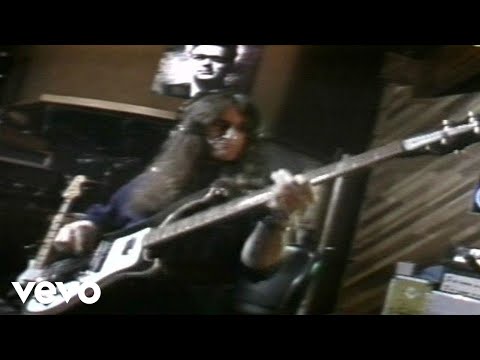
“Crazy Train” by Ozzy Osbourne (Blizzard of Ozz, 1980)
Ozzy Osbourne stepping out on his own carried a certain weight, especially after his time with Black Sabbath. With “Crazy Train,” he didn’t ease into that transition—he kicked the door open. The song came in loud, immediate, and unmistakable, pairing a sharp guitar line with a message that hinted at something deeper beneath the chaos.
At the center of it all was Randy Rhoads, whose playing gave the track both precision and urgency. His riffs weren’t just heavy—they were memorable, the kind that stayed in your head long after the song ended. Combined with Ozzy’s distinct vocal style, the result felt larger than a typical rock single, even if it didn’t dominate the charts right away.
The song’s legacy grew over time, fueled by its presence on radio, stages, and eventually generations of new listeners. It became one of those tracks that defines an artist’s identity, even as the years pass. Long after its release, “Crazy Train” still carries that same sense of motion, as if it never really slowed down.

“Back in Black” by AC/DC (Back in Black, 1980)
From the first strike of the guitar, “Back in Black” made its intent clear. There’s no buildup, no hesitation—just a direct hit that sets the tone within seconds. It captured a kind of confidence that felt grounded and unfiltered, the sort of sound that doesn’t need extra polish to make its point.
The band had gone through a major shift, and this track showed how they responded. Instead of stepping back, they leaned into their strengths, tightening their sound and delivering something that felt both familiar and sharper than before. The rhythm section kept everything steady, while the guitars cut through with a clarity that made every note count.
As the years went on, the song didn’t fade—it expanded. It became a staple not just for fans of the band, but for rock music as a whole. Whether blasting through speakers or echoing in massive venues, “Back in Black” remains a reminder of how powerful a straightforward, well-executed rock song can be.