Why Paul McCartney Turned Down George Harrison’s Invitation to a Historic Benefit Concert
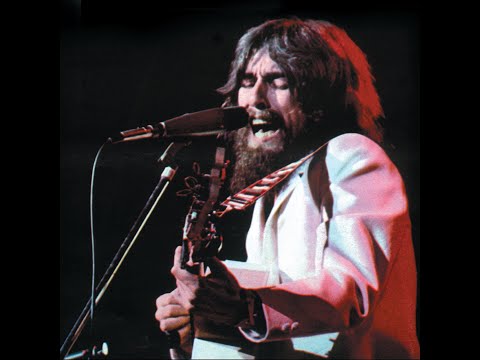
On August 1, 1971, George Harrison stood at the center of a moment that reshaped what popular music could accomplish beyond the charts. The Concert for Bangladesh wasn’t just another all-star gathering — it was a focused, urgent response to the humanitarian crisis unfolding during the Bangladesh Liberation War. No precedent existed for a large-scale rock concert organized purely for relief, which made the event feel both risky and radical at the time.
The lineup reflected Harrison’s reach and credibility within the music world. Artists like Bob Dylan, Eric Clapton, Ringo Starr, Ravi Shankar, Billy Preston, and Leon Russell took the stage at Madison Square Garden. Together, they delivered performances that blended musical excellence with a rare sense of shared purpose.
One absence, however, stood out immediately. Harrison’s former bandmate Paul McCartney had been invited to perform but declined. Given the magnitude of the event and the lingering public fascination with anything involving the former Beatles, McCartney’s decision raised questions that lingered for decades.
The Legal Battle That Fractured the Former Beatles
By the summer of 1971, the breakup of The Beatles was no longer just an emotional or creative divide — it had become a full-scale legal conflict. McCartney had taken the extraordinary step of suing his former bandmates, Apple Corps, and manager Allen Klein in an effort to formally dissolve the partnership. For him, the lawsuit wasn’t personal posturing; it was a bid for autonomy.
The timing couldn’t have been worse. While Harrison was planning a benefit concert meant to project unity and goodwill, McCartney was entangled in negotiations and court filings that made any public collaboration feel loaded. Appearing onstage with Harrison could easily be interpreted as reconciliation, undermining McCartney’s legal position at a moment when clarity mattered.
McCartney later acknowledged that the situation left him deeply frustrated. Years of internal disagreements had hardened into a stalemate, and the idea of temporarily setting those issues aside — even for a noble cause — felt contradictory. From his perspective, the legal struggle had to be resolved before anything resembling a reunion could occur.
Why Playing the Concert Felt “Crazy” to McCartney
In interviews years later, McCartney was candid about how conflicted he felt when Harrison extended the invitation. He admitted the decision wasn’t about logistics or visas, but about principle. The band had just fractured, and stepping back into a shared spotlight so soon struck him as incoherent rather than healing.
McCartney described feeling trapped by contracts he believed should have been dissolved cleanly. Agreeing to play the concert, even as a solo artist supporting Harrison, felt like conceding ground in a dispute that had already consumed years of tension. For him, the issue wasn’t charity — it was timing and leverage.
There was also an emotional undercurrent beneath the legal reasoning. McCartney felt that cooperation without resolution risked prolonging the very conflicts that caused the breakup in the first place. In that sense, declining the invitation was less a rejection of Harrison and more a refusal to blur boundaries that were still painfully raw.
A Historic Night That Didn’t Need a Full Reunion
Harrison’s outreach didn’t stop with McCartney. He also invited John Lennon, who initially expressed interest. That enthusiasm cooled once it became clear that Yoko Ono would not be part of the performance, leading Lennon to withdraw as well. With two Beatles absent, expectations of any kind of reunion quietly faded.
Despite that, the Concert for Bangladesh succeeded on its own terms. The performances were powerful, the message was clear, and the event raised significant awareness and funds for refugees in need. It established a template that future benefit concerts would follow for decades, from Live Aid to modern global relief events.
In hindsight, McCartney’s absence didn’t diminish the concert’s legacy — if anything, it underscored how extraordinary the achievement was without relying on Beatles nostalgia. Harrison proved that the cause itself could carry the weight, even amid unresolved personal and legal divides.