

What Were Tom Petty’s 5 Biggest U.S. Hits?
Tom Petty never chased trends, and that’s a big part of why his music has lasted. His songs were rooted in classic rock and roll values—strong melodies, sharp lyrics, and a sense of emotional honesty that didn’t rely on studio gimmicks. Whether fronting the Heartbreakers or working solo, Petty wrote from a place that felt grounded and lived-in, which made his work resonate far beyond any specific era.
What’s interesting is that this approach didn’t keep him off the pop charts. Even without tailoring his sound for radio, Petty consistently connected with a wide audience. His records moved easily between rock stations and mainstream playlists, proving that accessibility doesn’t always require compromise. Over time, listeners simply caught up to what he was doing, turning several of his songs into major hits almost by momentum alone.
Across decades of releases, Petty built a catalog filled with familiar staples, but a handful of tracks stood out when measured strictly by chart performance. These songs climbed higher and reached more listeners than the rest, reflecting moments when his songwriting, timing, and public appeal aligned perfectly. Looking at his biggest U.S. hits offers a clear snapshot of how enduring artistry can still find massive commercial success.
5. “You Don’t Know How It Feels” – No. 13 in 1994
By the time Wildflowers arrived, Tom Petty was in a reflective place creatively. Working with Rick Rubin stripped away layers of production and pushed his songwriting closer to the surface. The album leaned into restraint, allowing space, mood, and phrasing to carry the emotional weight rather than big hooks or flashy arrangements.
“You Don’t Know How It Feels” wasn’t the most obvious standout on the record, especially alongside deeper cuts that longtime fans often point to first. Still, the song had a quiet pull that crept up on listeners. Its loose groove and unhurried tempo made it feel effortless, while Petty’s almost conversational vocal delivery gave it a relaxed confidence.
The song’s chart success came despite radio controversy over a single lyric, which led to a censored version receiving heavy airplay. Instead of hurting its momentum, the situation only added to its profile. The track became a defining moment of Petty’s ’90s era, proving that subtlety could still compete in a louder musical landscape.

4. “Don’t Come Around Here More” – No. 13 in 1985
Southern Accents began as an ambitious idea rooted in regional storytelling, but it quickly expanded into something less tidy. Petty was curious about new sounds and studio approaches, and the album reflected that experimentation. The result was uneven at times, but it also opened the door to some of his boldest choices.
“Don’t Come Around Here No More” stood apart from anything the Heartbreakers had done before. Built on swirling textures and an off-kilter rhythm, the song leaned heavily into the mid-’80s pop atmosphere without abandoning Petty’s melodic instincts. Collaborating with Dave Stewart gave the track a modern edge that felt adventurous rather than calculated.
Its success showed that Petty could adapt without losing his identity. The song’s eerie tone and unconventional structure made it memorable, while its strong chorus anchored it firmly in pop territory. It remains one of his most distinctive singles, both sonically and visually, thanks to its unforgettable video.
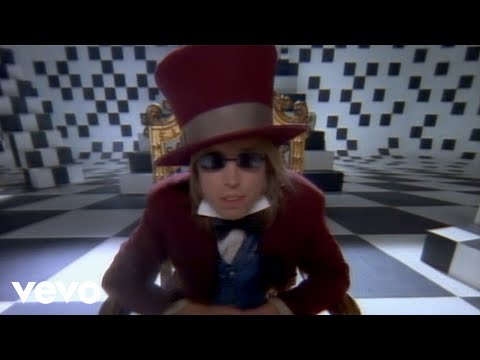
3. “I Won’t Back Down” – No. 12 in 1989
Full Moon Fever marked a turning point for Petty, even if it wasn’t originally meant to. Sessions with Jeff Lynne sparked ideas that didn’t quite fit the Heartbreakers’ usual dynamic, leading Petty to step out on his own. The decision gave him freedom to explore a cleaner, more direct sound.
“I Won’t Back Down” introduced that new chapter with clarity and confidence. The song was built on simplicity, from its steady rhythm to its uncluttered arrangement. George Harrison’s unmistakable slide guitar added warmth, but nothing distracted from the core message at the center of the track.
Rather than delivering the lyrics with anger, Petty chose restraint. That calm resolve made the song feel universal, turning it into an anthem without sounding preachy. Its chart performance reflected how strongly that approach resonated, and the song has only grown in stature over time.
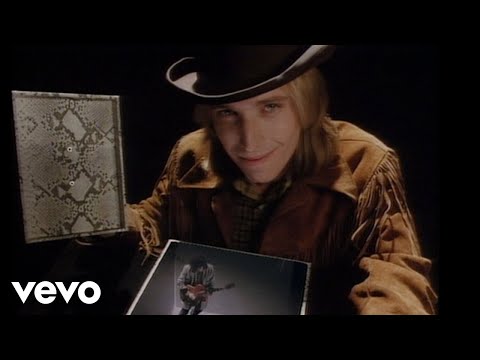
2. “Don’t Do Me Like That” – No. 10 in 1979
The making of Damn the Torpedoes was famously intense, largely due to producer Jimmy Iovine’s perfectionist standards. He pushed the Heartbreakers hard, demanding precision and polish at every stage. The pressure paid off, resulting in an album that sharpened the band’s sound without sanding off its edge.
“Don’t Do Me Like That” came from Petty’s older material, rescued by Iovine’s insistence on hearing everything he had written. The phrase itself was borrowed from Petty’s father, giving the song an offhand familiarity that made it instantly relatable. Its bounce and bite stood out among the heavier tracks on the album.
When released as a single, the song became the band’s biggest hit to that point. It captured the tension between vulnerability and defiance that Petty often explored, wrapped in an irresistible hook. The track helped push Damn the Torpedoes into classic status and firmly established Petty as a major force on American radio.
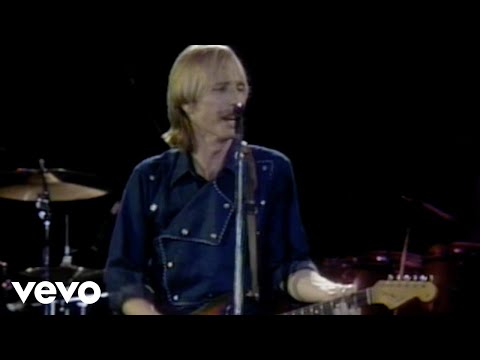
1. “Free Fallin’” – No. 7 in 1989
“Free Fallin’” stands as the most successful single of Tom Petty’s career, and its origins were almost casual. During writing sessions with Jeff Lynne, Petty tossed out lines meant more to amuse than impress. Lynne immediately recognized their potential and urged him to keep going.
The finished song balanced intimacy with scope. Lynne’s glossy production gave it a wide-open feel, while Petty’s lyrics focused on small, specific moments that suggested something larger underneath. The contrast made the song feel both personal and cinematic at the same time.
Chart success was only part of its impact. “Free Fallin’” became one of those rare songs that crossed generations, fitting just as naturally on rock radio as it did in quieter settings. Its place at the top of this list reflects not just numbers, but how deeply it embedded itself into the American musical consciousness.