

Vince Neil Was Never Truly Allowed to Leave Mötley Crüe, Says Robbie Crane
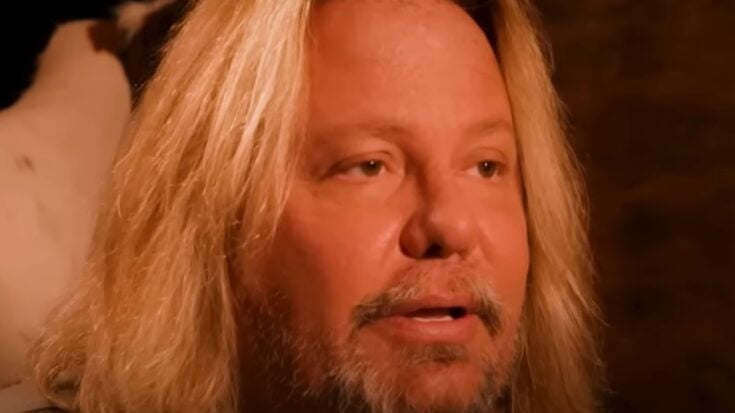
via Rock Feed / YouTube
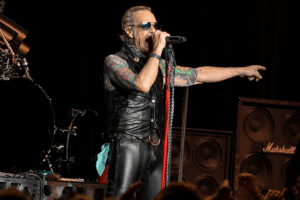
When Robbie Crane recently looked back on his time working with Vince Neil, he framed the singer’s solo years as something far more complicated than a simple break from Mötley Crüe. In an interview with The Hair Metal Guru, Crane suggested that Neil was never truly given the freedom to stand on his own, even while actively building a solo career.
According to Crane, the pressure didn’t come from bandmates or collaborators. It came from management and industry figures who viewed Neil’s time away from Mötley Crüe as temporary, regardless of his personal commitment to new music. From the outset, the message was clear: the solo project was tolerated, but not fully supported.
That tension shaped nearly every part of Neil’s post-Crüe journey in the early 1990s. While fans often debate whether Neil left voluntarily or was pushed out, Crane’s account highlights another reality—one where leaving the band didn’t mean escaping its shadow.
The Industry Push to Go Back Where He “Belonged”
Crane made a point of distancing himself from the narrative that Neil’s inner circle urged him back to Mötley Crüe. He said he never pressured Neil personally, but he understood why the industry did. To executives, Mötley Crüe wasn’t just a band—it was a proven brand, and Neil was expected to return to it.
That mindset shaped how Neil’s solo work was treated behind the scenes. While managers praised the idea of branching out, Crane noted that real backing never followed. The solo career was framed as a detour rather than a legitimate next chapter, making it difficult for Neil to build momentum without constant comparisons to his former band.
What bothered Crane most was the psychological toll. He felt Neil was subtly made to believe that success without Mötley Crüe was impossible, even as he showed up daily for rehearsals, writing sessions, and recording. In Crane’s view, Neil’s dedication contradicted the idea that he lacked discipline or focus on music.
Success That Still Came With Strings Attached
Despite the skepticism surrounding his independence, Neil’s solo debut proved there was still demand for his voice. His 1993 album Exposed debuted at No. 13 on the Billboard 200, a strong showing that challenged the idea he couldn’t succeed outside Mötley Crüe. Crane, who played bass on the record, saw firsthand how seriously Neil took the project.
Complicating matters was Neil’s contract situation with Warner-affiliated labels, which tied his solo work and Mötley Crüe history under the same corporate roof. While this made logistical sense, Crane believed it reinforced the notion that Neil’s identity was inseparable from his former band, even when the music said otherwise.
Rather than being treated as proof of independence, the album’s success felt like a footnote. The industry narrative remained unchanged, and Neil continued to face subtle pressure to return to the band that defined his fame, regardless of what he was building on his own.
Grief, Commitment, and an Unavoidable Return
The emotional weight of Neil’s solo years deepened after the death of his daughter, Skylar, in 1995. Crane recalled finishing a tribute song with Neil during that period, describing the process as fast but emotionally devastating. The grief, he said, fundamentally altered Neil, both personally and creatively.
That loss came at a moment when Neil was already navigating professional isolation. Instead of being given space to heal and evolve as an artist, the pull back toward Mötley Crüe only intensified. By 1997, Neil rejoined the band, ending a five-year solo run that never quite had room to breathe.
Crane’s reflections don’t rewrite history, but they add depth to it. Rather than a failed escape or a triumphant return, Neil’s solo era emerges as something more complicated—a chapter shaped as much by industry expectations as by music itself.
Watch Crane’s interview with The Hair Metal Guru below.