

This Beatles Ballad Refused to Let Go — And Stayed No. 1 Longer Than Anyone Expected

via The Beatles / YouTube
By the late 1960s, reaching the top of the Billboard Hot 100 had become almost routine for the Beatles. Between 1964 and 1970, they scored 20 No. 1 singles in the U.S., a record that still hasn’t been matched. Even so, one song from 1968 behaved differently from the rest. “Hey Jude” didn’t simply hit No. 1 — it settled in and refused to let go.
Released in the United States in late August 1968, the iconic Beatles song climbed steadily before finally reaching the top spot on September 28. Once it got there, it stayed put for nine consecutive weeks. That kind of chart dominance was rare in an era when hit songs usually cycled through the charts much faster, even for artists as massive as the Beatles.
Those nine weeks made “Hey Jude” the longest-running No. 1 single of 1968 and the Beatles’ longest stay at the top of the U.S. charts. Only one earlier Beatles hit came close, falling two weeks short. By the end of the year, the song wasn’t just a success — it was a fixture.
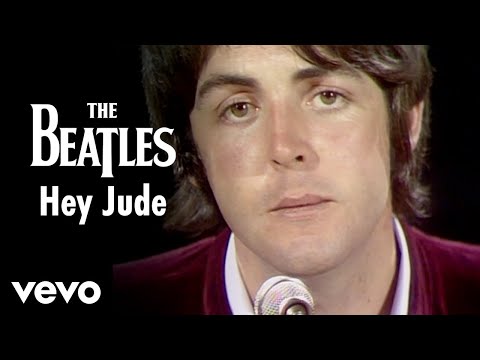
Why “Hey Jude” Took Over the Charts
Timing played a role in the song’s success. “Hey Jude” arrived during a moment of transition for the Beatles, as it became the first release on their new Apple Records label. That sense of a fresh chapter, combined with the band’s already unmatched popularity, helped give the single immediate momentum.
Promotion mattered, too. A widely broadcast performance filmed at London’s Twickenham Studios presented “Hey Jude” in front of a live audience and backed by a full orchestra. The setting struck a balance between intimacy and scale, highlighting the song’s gradual emotional build in a way that studio recordings alone couldn’t fully convey.
Even the song’s length worked in its favor. At more than seven minutes, the song broke radio norms, yet listeners embraced it. Its slow-burn structure and extended singalong outro made repeated airplay feel less like overexposure and more like a shared experience, helping it hold the No. 1 position far longer than expected.
The Personal Roots Behind the Ballad
Paul McCartney wrote “Hey Jude” as a message of encouragement to Julian Lennon during the breakup of his parents’ marriage. Originally titled “Hey Jools,” the song was meant to comfort a child navigating a painful and confusing moment. The lyrics avoided sentimentality, offering reassurance without denying the reality of what Julian was facing.
Over time, the song took on a broader emotional reach. Its simple language and hopeful tone allowed listeners to apply it to their own struggles, whether romantic, personal, or otherwise. That openness helped “Hey Jude” resonate far beyond its original inspiration.
John Lennon later suggested that the song carried additional meaning, interpreting parts of it as reflecting the shifting dynamics within the band and his relationship with Yoko Ono. Whether intentional or subconscious, that layered ambiguity only strengthened the song’s impact. “Hey Jude” felt personal, universal, and unresolved — qualities that helped keep it at No. 1 longer than anyone expected.
https://twitter.com/apple_c0rps/status/1874936196574650632