

’80s Songs That Perfectly Captured the Feeling of Being Young and Free

via WHAM! / YouTube
There’s something about ’80s pop and rock that still feels wide open. Even now, those songs carry the rush of windows down, volume up, and nowhere specific to be. You don’t have to remember hearing them on the radio the first time to feel it, either. Whether they came from a cassette you wore out in the car or a late-night drive with a classic hits station humming in the background, the emotion lands the same.
This era had a knack for capturing that brief moment when life feels uncomplicated and full of possibility. The lyrics weren’t weighed down by heartbreak or regret. They leaned into movement, curiosity, confidence, and the thrill of knowing something good was just around the corner. A crush, a road trip, a night that might turn into a story later. These songs understood that freedom doesn’t need a big explanation—it just needs a good hook and a chorus everyone can shout together.
That spirit is what ties the songs on this list together. They aren’t hidden gems or trivia-night stumpers. These are tracks people recognize within seconds and instinctively sing along to, even if they don’t remember where they first heard them. Each one captures a version of youth that feels timeless: loud, hopeful, and absolutely convinced that the best parts of life are still ahead.
“Wake Me Up Before You Go-Go” by Wham! (Make It Big, 1984)
“Wake Me Up Before You Go-Go” runs on pure momentum. From the opening seconds, it feels like a rush to get out the door, the kind that comes from realizing something fun already happened and you refuse to miss the next round. There’s no heartbreak here, just impatience and excitement. The song captures that jittery mix of nerves and confidence that comes with liking someone and believing the night is still wide open.
The lyrics don’t overthink things, and that’s part of the charm. It’s about wanting to be there, wanting in, and trusting that the good stuff happens on the dance floor. The playful repetition and bouncy rhythm feel tailor-made for shaking off sleep, throwing on something loud, and heading out without a plan beyond dancing until your legs give out.
That sense of freedom mirrors Wham!’s early image as well. They weren’t aiming for mystery or distance; they sounded like they were having fun and expected you to join them. The song still works because it taps into a familiar feeling: the belief that something good is happening right now, and you’re young enough to chase it without hesitation.

“Girls Just Want to Have Fun” by Cyndi Lauper (She’s So Unusual, 1983)
“Girls Just Want to Have Fun” pairs bright, sing-along pop with a quietly defiant streak. On the surface, it’s light and colorful, the kind of song that fills a car without trying. Beneath that, it’s about choice—about deciding how to spend your time and refusing to apologize for enjoying it.
The freedom here feels earned. Work is done, expectations have been met, and the night belongs to whoever claims it. Lauper doesn’t sound reckless or dismissive; she sounds sure of herself. Fun isn’t a distraction in this song—it’s the point, and it’s non-negotiable.
That attitude lined up perfectly with Lauper’s public persona. She always came across as someone doing things her own way, with a voice and style that felt lived-in rather than manufactured. Decades later, the song still lands because it captures the moment when independence becomes real and joy stops needing permission.

“I Wanna Dance with Somebody” by Whitney Houston (Whitney, 1987)
“I Wanna Dance with Somebody” balances exhilaration with just enough longing to feel honest. It’s upbeat and immediate, yet it acknowledges that wanting connection is part of the fun. The song treats the dance floor as a place where possibility outweighs uncertainty, where movement itself feels like optimism.
Houston’s performance sells that feeling completely. She sounds young, confident, and fully present, turning vulnerability into something joyful. There’s no sense of urgency or fear—just the understanding that loneliness doesn’t last forever, especially when the music is this good.
Before the icon, before the movie roles and global superstardom, this was Whitney Houston at her most open and electric. The song freezes that moment when everything felt attainable and the future didn’t need explaining. It still resonates because it understands youth as motion—lights, sound, and the belief that something great is about to happen.
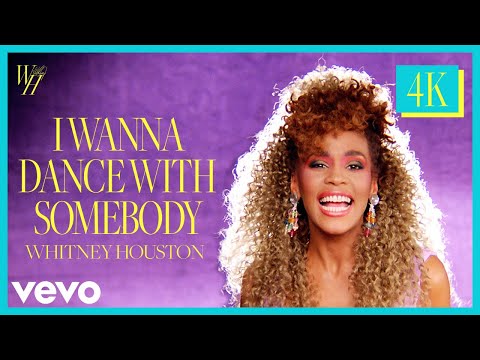
“I’m So Excited” by The Pointer Sisters (So Excited!, 1982)
“I’m So Excited” channels anticipation in its purest form. From the first burst of harmonies, the song feels like the moment before a night truly begins, when plans are loose and energy is already spilling over. It borrows the pulse of disco but pairs it with something older and sturdier: the simple thrill of voices locking together and lifting the mood instantly.
What makes the song endure is how effortlessly it pulls listeners in. The lyrics are direct and unpretentious, while the rhythm refuses to let anyone stay still for long. By the time the chorus rolls around for the final time, excitement stops being described and starts being shared. It’s not about what’s going to happen later—it’s about how good it feels right now.
That communal joy fits perfectly with the Pointer Sisters’ legacy. Their sound carried the long tradition of American vocal harmony into the ’80s without feeling dated or nostalgic. Generations later, the song still works the same way it always has: as a spark that spreads quickly, turning a room full of people into willing participants in the moment.
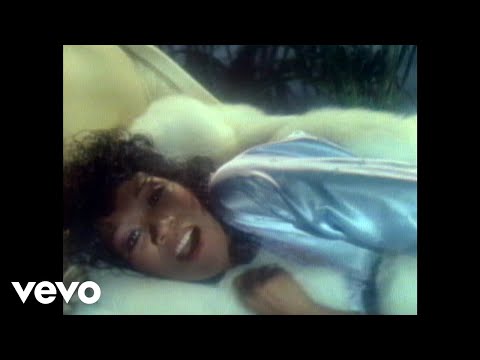
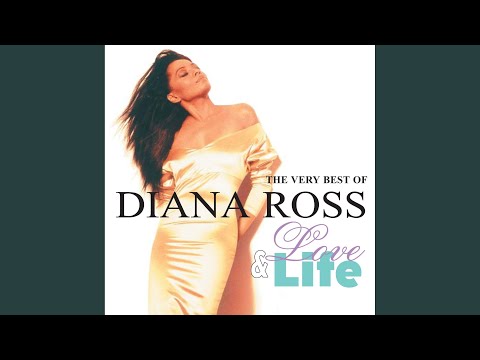
“I’m Coming Out” by Diana Ross (Diana, 1980)
“I’m Coming Out” opens with a sense of arrival. The groove is confident and unhurried, like someone stepping back into the light exactly when they’re ready. While the song has become inseparable from its meaning within queer culture, its emotional core is broader: release, renewal, and the relief that comes with finally claiming yourself.
That feeling aligned closely with where Diana Ross was at the time. After personal and professional setbacks, the song became a declaration of forward motion. She sounds energized rather than defiant, joyful rather than bitter, turning reinvention into something celebratory instead of dramatic. Freedom here isn’t loud—it’s assured.
The song’s lasting power comes from that openness. It speaks to anyone shedding something that no longer fits, whether that’s secrecy, expectation, or a version of themselves that’s run its course. Few experiences feel more liberating than stepping into who you really are, and Ross’s anthem continues to soundtrack that moment for people finding their way into the next chapter.