


’60s Songs That Bombed at First — Then Became Massive Hits
By the time the 1960s were in full swing, the music industry was quietly rewriting its own rules. Bands were no longer expected to simply show up, sing well, and look the part. Writing your own songs was becoming part of the job description, and listeners were beginning to care who created the music, not just who delivered it. That shift didn’t happen overnight, and it certainly didn’t guarantee instant success for every original song that hit the shelves.
Even as self-written material gained credibility, the decade remained unpredictable. A strong melody or sharp lyric didn’t always translate into chart success, especially when tastes were changing as quickly as hairstyles and radio formats. Plenty of songs arrived with little fanfare, slipped past audiences, and vanished from playlists almost as soon as they appeared. Timing, promotion, and the right voice all mattered more than ever.
What makes the era fascinating is how often those early failures refused to stay buried. Some songs simply needed a second chance — a different singer, a new arrangement, or a moment when listeners were finally ready to hear them. In several cases, tracks that once stalled completely went on to become defining hits, proving that commercial failure isn’t always the final word.
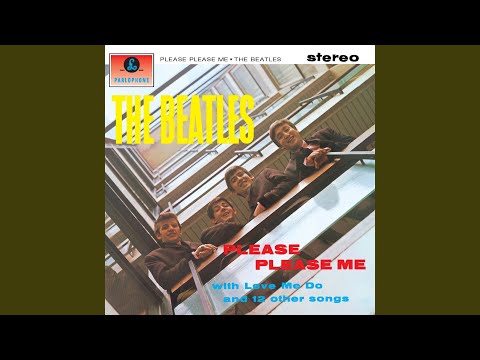
“Twist and Shout” by The Beatles (Please Please Me, 1963)
Before they became synonymous with writing their own catalog, The Beatles built their reputation by tearing through other people’s songs onstage. Their live sets leaned heavily on R&B and rock ’n’ roll covers that allowed them to sharpen their instincts as a unit. One of those songs, “Twist and Shout,” was already circulating when the band picked it up, but few could have predicted how decisively they would make it their own.
The tune had already stumbled once by the time it reached the group. Its first release failed to catch on, and even later versions that found modest success never quite captured a defining spark. What The Beatles brought to it wasn’t polish or reinvention so much as urgency. The arrangement was stripped to its essentials, built for movement, volume, and sweat rather than finesse.
That energy carried straight into the studio. Recorded quickly after months of relentless live performances, the band delivered a version that sounded pushed to the edge, especially in the vocal. The rawness wasn’t planned, but it became the point. What began as a forgotten song turned into one of the most recognizable recordings of the decade, proving how much context and conviction could change a track’s fate.
“Tainted Love” by Gloria Jones (single, 1964)
Long before it became synonymous with early-’80s pop, “Tainted Love” existed as a brisk soul number that barely registered with listeners. Released quietly as a B-side, the song arrived at a time when radio attention was hard to earn and even harder to hold. Despite its strong melody and punchy rhythm, it passed by without notice.
The original recording had all the elements of a hit hiding in plain sight. Its driving beat and playful tension between music and lyric made it ideal for the dance floor, even if it didn’t find that audience right away. Musicians and DJs would eventually catch on, especially in the U.K., where rare American soul records were being rediscovered and recontextualized years after their release.
That delayed recognition laid the groundwork for the song’s rebirth. When it resurfaced in a radically different style nearly two decades later, it no longer sounded overlooked — it sounded inevitable. The transformation turned a forgotten 1960s single into a cultural fixture, all because the song finally met the right moment.

“Black Magic Woman” by Fleetwood Mac (single, 1968)
Fleetwood Mac’s early years bore little resemblance to the polished, radio-dominating band they would later become. In the late ’60s, they were grounded firmly in British blues, releasing moody, guitar-driven singles that leaned more toward atmosphere than hooks. “Black Magic Woman” fit squarely into that phase, simmering rather than exploding.
The song’s initial run was modest, reflecting both the band’s niche audience and the crowded musical landscape of the time. Its restrained delivery and shadowy tone weren’t built for immediate chart impact, even if the songwriting hinted at something deeper. It lingered as a cult favorite rather than a commercial breakthrough.
Everything changed when the song crossed borders and genres. Reimagined with Latin rhythms and extended instrumental passages, it took on a new life that pushed it into mainstream consciousness. The reinterpretation didn’t replace the original so much as reveal its flexibility, showing how a quiet blues track could become a global hit with the right transformation.

“Red, Red Wine” by Neil Diamond (Just for You, 1967)
Neil Diamond spent much of the 1960s building momentum rather than dominating charts. While his songwriting was prolific, not every release found an audience right away. “Red, Red Wine” was one such song, slipping out with little fanfare and leaving almost no immediate impression.
The track itself was gentle and reflective, more conversational than dramatic. It didn’t stand out amid louder, trend-chasing singles of the era, even though its structure made it easy to adapt. That adaptability would prove crucial in the years that followed, as the song quietly traveled through different musical circles.
Its turning point came through reinterpretation rather than revival. A reggae-inflected version reframed the melody and mood, eventually paving the way for a massively successful cover decades later. By then, the song no longer felt like a minor Diamond deep cut — it felt timeless, despite its unremarkable beginnings.

“Time Is On My Side” by The Rolling Stones (single, 1964)
“Time Is On My Side” didn’t begin as a rock song at all. Its earliest version leaned toward gospel and jazz, serving more as a showcase for musicianship than a pop statement. While the melody lingered, the song initially existed on the fringes of the mainstream.
A subsequent reworking gave it sharper emotional stakes, transforming the lyric into something more confrontational and direct. Even then, it struggled for attention, buried as a B-side during a period when singles lived or died by radio exposure. The song’s potential was clear, but its placement kept it out of reach.
That changed once it landed in the hands of a young British band finding its footing. Slowed down and delivered with conviction, the track became a defining early moment for The Rolling Stones in the U.S. What started as a modest composition eventually helped establish their commercial credibility, closing the loop on a song that took several tries to find its voice.