

The Musician Bob Dylan Said Changed Rock Forever
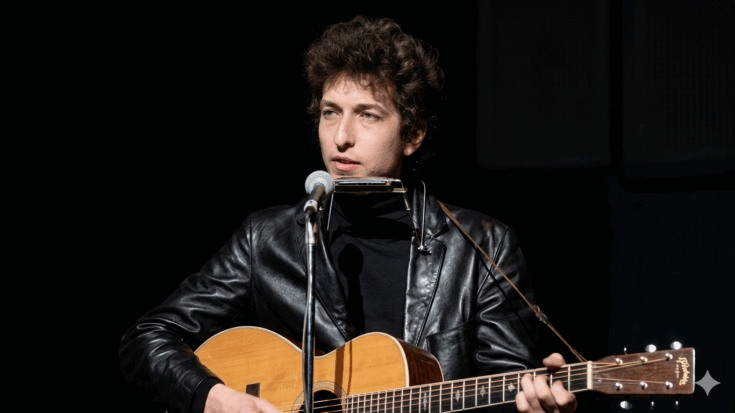
via "highway_61" / YouTube
Bob Dylan never stayed in one lane for long. Early on, he became known for stripped-down folk songs built around an acoustic guitar and sharp lyrics. That image stuck with many listeners, but it only tells part of the story. As his career moved forward, he pushed against expectations and searched for new ways to express himself.
His shift to electric instruments marked a turning point, both for him and for popular music. The move was not just about sound. It showed that rock could carry weight, depth, and a sense of urgency that went beyond simple entertainment. Songs began to feel like statements rather than background noise.
Even while helping reshape the genre, Dylan remained critical of where rock was heading. He felt that the original spark that defined early rock and roll was fading. That tension between admiration and dissatisfaction would shape how he viewed the musicians who came before and after him.

The Sound That Set the Standard
When Dylan looked back at the roots of rock, he often pointed to American pioneers like Little Richard and Chuck Berry. Their music carried a raw energy that felt immediate and alive. It was direct, rhythmic, and built on a foundation of blues and country traditions.
That early sound had a sense of danger and excitement. It was not overly polished, and that worked in its favor. For Dylan, this was where rock and roll truly lived. It had personality and attitude, and it spoke to listeners in a way that felt honest.
As the genre evolved, that simplicity began to shift. Production became more elaborate, and arrangements grew more complex. While this opened new creative doors, it also moved the music away from the rough edge that had first defined it. Dylan noticed that change and weighed it carefully.
Phil Spector and the End of an Era
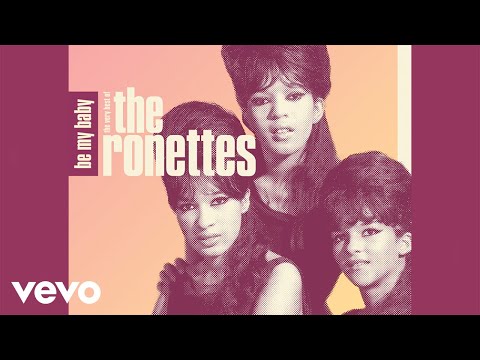
Dylan reserved a special place for Phil Spector, whose production style transformed how records sounded. Spector’s “Wall of Sound” technique layered instruments and vocals into something dense and immersive. Each track felt carefully constructed, almost like a piece of architecture.
That approach created records that were larger than life. Songs carried a dramatic weight, filled with echo and texture that made them stand out on the radio. For Dylan, this was the last moment when rock and roll still felt powerful in a way that truly moved him.
He once suggested that rock effectively ended with Spector. In his view, what followed was a period of rebuilding rather than continuation. Even major acts like The Beatles and The Rolling Stones, despite their success, did not represent the same spirit he associated with earlier rock.
Rebuilding Rock in a New Image
By the time the 1970s arrived, rock music had entered a different phase. Artists experimented with new sounds, concepts, and production styles. Dylan saw this era less as a continuation and more as a reconstruction, where musicians were trying to redefine what the genre could be.
His own work reflected that mindset. Projects like Self Portrait challenged expectations and moved away from what fans thought he should sound like. Instead of reinforcing his reputation, he chose to break it down and explore something less predictable.
Looking back, Dylan’s perspective highlights how deeply personal music can be. What one listener sees as evolution, another may see as departure. For him, the thrill of early rock and the impact of Spector’s productions set a standard that later music simply could not recreate in the same way.