
5 Famous Rock Bands Ruined by Endless Touring
via "Rock Vault" / YouTube
Life on the road has always been tied to the identity of a rock band. Night after night, cities blur together while crowds demand the same energy, the same songs, and the same connection. Touring keeps bands visible and, in many cases, keeps them financially afloat. It looks glamorous from the outside, but the constant movement, pressure, and lack of rest can slowly wear down even the strongest groups.
Over time, those long stretches away from normal life begin to expose cracks. Creative disagreements grow louder in cramped tour buses. Exhaustion chips away at patience. Personal struggles that might have stayed hidden in a studio setting often spill into the open when there is no real escape. For some bands, one difficult tour becomes the tipping point that pushes relationships past repair.
Rock history is filled with stories where the road did more than test a band, it broke it. Some groups managed to regroup years later, while others never found their way back. This article looks at five famous rock bands whose relentless touring schedules led to tension, fallout, and, in some cases, complete collapse.
Sex Pistols in U.S. Tour, 1978
The Sex Pistols thrived on confrontation, but the chaos that fueled their music began to spill into real life once they hit the United States. Instead of building momentum, the tour placed them in hostile territory where punk was still misunderstood and often feared. Crowds were unpredictable, venues were uneasy, and the atmosphere felt tense before the band even stepped onstage.
Manager Malcolm McLaren tried to turn that tension into publicity by routing the band through smaller Southern cities rather than major markets. The gamble didn’t pay off. Attendance was inconsistent, and the shock factor wore thin quickly. At the same time, Sid Vicious was struggling with serious personal issues that affected both his playing and the band’s overall stability. What could have been controlled chaos turned into something far more fragile.
By the time they reached their final show, Johnny Rotten looked exhausted and detached. His closing words to the audience felt less like a performance and more like a resignation. He walked away from the band before the trip home, and that moment effectively ended the Sex Pistols as a working group. The tour didn’t just expose their cracks. It shattered whatever was left holding them together.

The Police in Amnesty Tour, 1986
Tension had already been building within The Police long before they stepped onto the stage again in 1986. Sting had found success on his own, and the band’s earlier break hinted that their time together was running out. When they reunited for a short run of benefit shows, it felt less like a comeback and more like unfinished business.
The final performance at Giants Stadium carried a sense of closure that everyone in the audience could feel. During the show, they invited U2 onstage and symbolically handed over their instruments. It wasn’t planned as a grand farewell, but it played out that way. Even those watching from afar understood that something was ending right in front of them.
After the tour, there were brief talks of recording again, but the momentum was gone. The creative spark that once drove the band had shifted elsewhere, particularly for Sting. While future reunions would bring them back together for special moments, the bond that defined their peak years never fully returned. That short tour quietly marked the point where the band stopped moving forward.

Van Halen in Reunion Tour, 2004
Bringing Van Halen back together with Sammy Hagar seemed like a guaranteed win. The lineup had delivered massive success in the past, and the idea of a reunion tour promised both nostalgia and renewed energy. Plans were ambitious, with dozens of shows lined up to reintroduce the band to fans around the world.
The reality was far messier. Communication within the group broke down almost immediately, with Eddie Van Halen reportedly keeping his distance from both Hagar and bassist Michael Anthony. Personal struggles added another layer of tension, and the atmosphere behind the scenes quickly turned uncomfortable. Instead of rebuilding chemistry, the tour exposed how much had changed.
Hagar pushed through the schedule despite wanting to walk away, but the experience left a lasting mark. Performances suffered, and the strain became visible to fans. By the time the tour ended, it was clear that the reunion had done more harm than good. What was meant to celebrate a legacy ended up closing the door on that chapter for good.

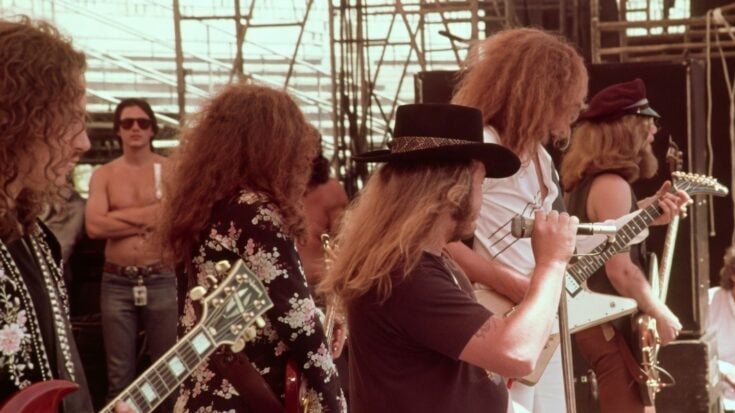
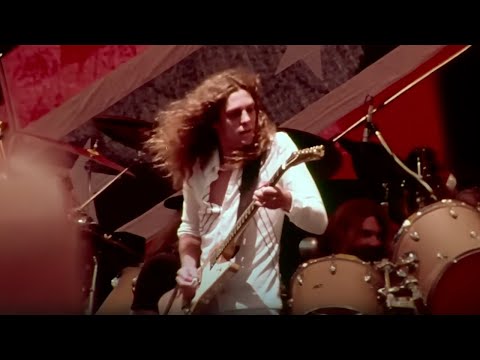
Lynyrd Skynyrd in Street Survivors Tour, 1977
At their peak, Lynyrd Skynyrd seemed unstoppable. Street Survivors had just been released, and the band was riding a wave of momentum that only a handful of groups ever experience. The tour was gaining traction, crowds were growing, and everything pointed toward a long run of success on the road.
That momentum came to a sudden halt when the band boarded a chartered plane that many of them already distrusted. Concerns had been raised before takeoff, and there had even been talk of switching to a safer option. Despite those worries, the schedule pushed forward. Mid-flight, the situation turned critical as the crew prepared for an emergency landing that never went as planned.
The crash that followed remains one of the most devastating moments in rock history. Lives were lost, including Ronnie Van Zant and Steve Gaines, along with others connected to the band. Those who survived were left to process the shock and grief that followed. Touring had already been demanding, but this tragedy ended everything overnight. The band disbanded soon after, and while a later reunion would bring the name back, it could never restore what was lost.
The Eagles in Long Run Tour, 1980
By 1980, Eagles had already defined an era. Years of hit records and relentless touring had built their reputation, but it also drained the relationships within the group. Communication broke down to the point where conversations only happened when absolutely necessary, usually right before stepping onstage.
The tension finally surfaced during a benefit concert that few members even wanted to play. Don Felder and Glenn Frey clashed over the decision to take the gig, and the argument didn’t stay behind the scenes. What started as frustration turned into open hostility, with threats exchanged while the band was still performing in front of an audience.
When the show ended, there was no attempt to smooth things over. Each member went their own way, and that performance quietly became the band’s last for years. The long run that once defined their success had reached its limit. Touring didn’t just wear them out. It pushed them to a point where continuing together no longer felt possible.