
3 Groundbreaking Rock Songs From 1967 That Transformed Guitar Playing Forever

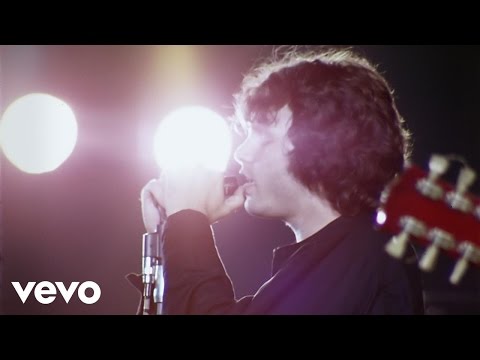
via YouTube/ The Doors Miscellany Channel
By the time rock reached the middle of the 1960s, the guitar was no longer just a vehicle for rhythm or tidy solos. It had started to absorb the wider changes happening in music and culture, reacting to new sounds, new technology, and a growing appetite for experimentation. What listeners expected from a guitarist was shifting fast, and the instrument was being pushed far beyond its early, straightforward role.
Earlier decades rewarded clarity and punch, while later eras would emphasize volume and spectacle. But 1967 sat in a rare in-between moment, when rules were still loose and curiosity mattered more than polish. Effects pedals became tools for exploration rather than gimmicks, studio techniques blurred the line between live performance and sonic illusion, and guitarists began treating tone itself as part of the composition.
That year produced several songs that didn’t just sound different—they quietly rewired what guitar playing could be. These tracks challenged technique, redefined texture, and inspired players to think less about tradition and more about possibility. Looking back, they stand as turning points, marking the moment when the guitar fully stepped into its modern, experimental identity.
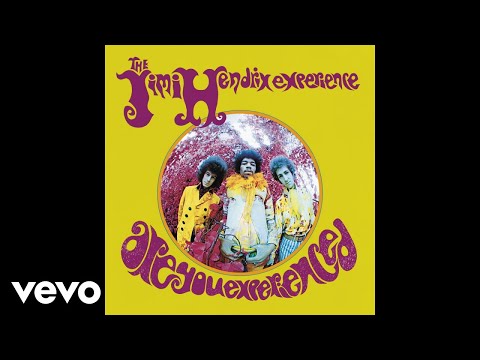
“Purple Haze” by The Jimi Hendrix Experience (Are You Experienced?)
Released in 1967, “Purple Haze” didn’t ease listeners into its world—it dropped them straight into it. The opening riff felt jagged, compressed, and slightly unhinged, immediately signaling that guitar playing had entered unfamiliar territory. Hendrix wasn’t chasing clarity or polish here; he leaned into tension, feedback, and distortion as expressive tools rather than mistakes to be avoided.
What truly set the song apart was how Hendrix treated tone as a narrative element. His use of fuzz, controlled noise, and unconventional phrasing made the guitar feel alive, unpredictable, and vocal-like. Solos were no longer just moments to show dexterity; they became emotional eruptions that shaped the song’s atmosphere. It forced other players to rethink what “good” guitar tone even meant.
In the years that followed, “Purple Haze” became a reference point for experimentation. Guitarists began pushing amps harder, embracing effects pedals, and exploring dissonance without apology. The song didn’t just influence technique—it rewrote the rules around creativity, proving that risk-taking could redefine the instrument’s future.
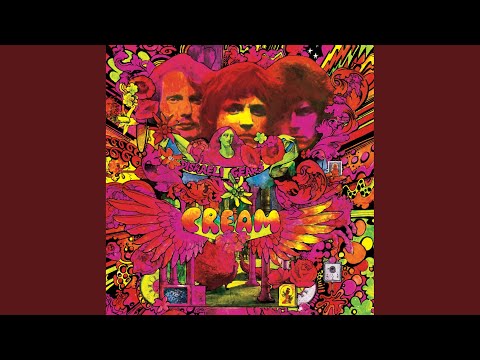
“Sunshine of Your Love” by Cream (Disraeli Gears)
“Sunshine of Your Love” took a different approach to transformation, relying on weight and repetition rather than flash. The riff, built on a slow, blues-based pulse, sounded massive compared to much of what came before it. Its simplicity wasn’t a limitation—it was the point, grounding the song in a heaviness that felt new for mainstream rock.
Eric Clapton’s playing showed how restraint could be just as powerful as virtuosity. Instead of racing through scales, he locked into a groove that gave the guitar a physical presence. The riff became a backbone rather than a decoration, teaching players that memorability and feel could outweigh complexity.
That mindset echoed through the next generation of rock and hard rock musicians. “Sunshine of Your Love” helped pave the way for riff-driven songwriting, where a single idea could carry an entire track. It reshaped how guitarists thought about structure, influence, and the lasting impact of a well-crafted riff.
“Light My Fire” by The Doors (The Doors)
“Light My Fire” expanded the guitar’s role by refusing to let it dominate the spotlight in traditional ways. Instead of constant riffing, the song relied on space, interplay, and extended passages that allowed each instrument to breathe. The guitar worked as part of a larger conversation rather than a lone voice competing for attention.
Robbie Krieger’s approach blended flamenco-inspired phrasing with jazz sensibilities, offering a smoother, more fluid alternative to the era’s blues-heavy norm. His solos unfolded patiently, emphasizing mood and melody over raw aggression. It suggested that guitar innovation didn’t always have to be loud to be revolutionary.
As psychedelic rock gained momentum, “Light My Fire” became a blueprint for exploration through texture and dynamics. Guitarists began thinking beyond standard verse-chorus roles, experimenting with modal playing and extended improvisation. The song quietly expanded the instrument’s vocabulary, proving subtlety could be just as transformative as distortion.