


Why Don Henley Praised This Classic Track
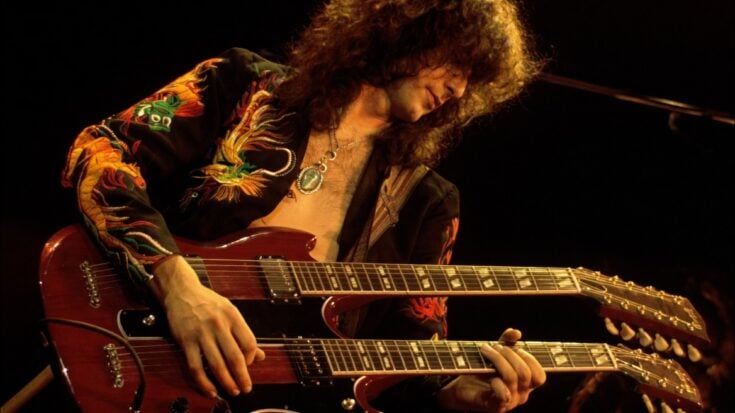
via "Led Zeppelin" / YouTube
When Don Henley spoke about the music that defined the 1970s, he wasn’t shy about placing his own band alongside the giants of the era. It might sound like a bold comparison on paper, especially when the other side of that conversation involves Led Zeppelin. Still, Henley saw something familiar in their work that went beyond surface-level differences.
The decade itself was full of contrasts. Bands explored everything from stripped-down country rock to layered, almost mystical hard rock. The Eagles carved a space with polished songwriting and grounded themes, while Led Zeppelin leaned into power, mythology, and musical experimentation. Yet both thrived in the same cultural moment, often reaching the same audience.
That overlap becomes clearer when you look at how artists within the scene viewed each other. Henley’s comparison of two major songs was not just about chart success. It hinted at a shared ambition, a sense that certain tracks were aiming for something bigger than a typical radio hit.
Opposite Styles, Shared Intent
At first glance, the gap between Jimmy Page’s intricate guitar work and the Eagles’ smoother arrangements feels wide. Zeppelin’s music pushed volume, texture, and intensity, while the Eagles favored clarity and restraint. Each band built its identity in a different corner of rock.
Even so, both groups were driven by strong songwriting. The Eagles focused on storytelling rooted in everyday life, while Zeppelin often blurred reality with fantasy. Robert Plant brought a poetic, almost otherworldly tone to his lyrics, which contrasted with the grounded imagery Henley and his band preferred.
What ties them together is intention. Both bands wanted their songs to last. They weren’t just filling albums with material. They were building tracks meant to hold attention, to evolve as they played, and to leave a lasting impression on listeners.
“Hotel California” and “Stairway to Heaven”
The comparison that stands at the center of Henley’s remark involves “Hotel California” and Stairway to Heaven. These two songs occupy different sonic worlds, yet they share a similar scale and ambition. Each stretches beyond the typical structure of a radio single, unfolding gradually and building toward something more dramatic.
“Hotel California” became the defining track of the Eagles’ catalog. Its layered guitars and cryptic lyrics created a mood that felt both inviting and unsettling. In contrast, “Stairway to Heaven” moves through distinct sections, shifting from quiet reflection to a powerful finale, something that had already become a hallmark of Zeppelin’s approach.
Henley’s comparison makes more sense in this context. Both songs stand as turning points for their respective bands. They pushed beyond earlier work and became the tracks most closely associated with their legacy, not just because they were popular, but because they captured something larger about the era.
Why Henley Made the Comparison
When Don Henley likened “Hotel California” to “Stairway to Heaven,” he pointed to more than just sales or airplay. He was recognizing how certain songs take on a life of their own. They move past their original release and become cultural landmarks.
The timing also matters. Both songs gained momentum after their initial release, growing through radio play and word of mouth. That slow rise added to their mystique, giving them a sense of inevitability as they climbed into the public consciousness.
In the end, the comparison reflects how the 1970s rock scene worked at its best. Different styles coexisted, but the strongest songs often shared the same foundation. They were carefully written, thoughtfully arranged, and built to last. That common ground is what allowed Henley to draw a line between two tracks that, on the surface, seem worlds apart.