

They Passed Away—Then Their Songs Hit No. 1

via Jim Croce / YouTube
There’s a strange kind of silence that follows a song climbing to the top of the charts when the voice behind it is already gone. A No. 1 hit is usually a moment of celebration, the payoff after years of work, timing, and luck finally aligning. But in a few rare cases, that milestone arrives too late—turning what should have been a triumph into something far more bittersweet.
These moments often come without warning. The artists weren’t fading away or stepping back; they were still creating, still recording, still moving forward with momentum. Then, suddenly, everything stops. Whether through accidents, violence, or the weight of their own struggles, their lives end just as their music is reaching its widest audience.
What follows is a unique collision of grief and recognition. Fans rally around the music, pushing a song higher not just because it’s good, but because it now carries the weight of farewell. It doesn’t happen often, but when it does, it leaves behind a different kind of legacy—one where a chart-topping hit becomes inseparable from the story of the artist who never got to see it.
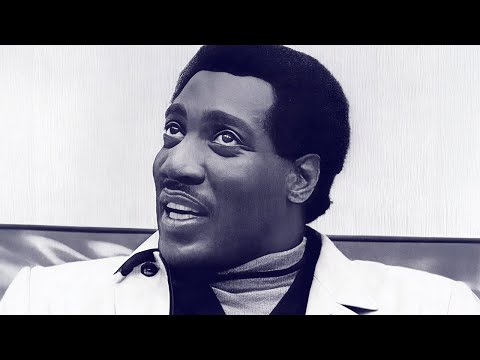
“(Sittin’ On) The Dock of the Bay” by Otis Redding (The Dock of the Bay, 1968)
Otis Redding had already built a reputation as one of soul music’s most compelling voices long before his final session. His recordings carried both grit and tenderness, and by the mid-1960s, he was steadily climbing charts while shaping songs that others would later turn into classics. Each performance hinted at even greater things ahead, as if he were still just getting started.
That sense of momentum made what happened next even harder to process. In December 1967, after a television appearance, Redding boarded a small plane that never completed its journey. The crash took his life at just 26, along with several members of his band. It was the kind of sudden loss that left no time for reflection, only shock.
Days earlier, he had recorded a new track in Memphis, one that felt quieter and more reflective than his previous work. “(Sittin’ On) The Dock of the Bay” was unfinished in his mind, with parts he intended to revisit. Instead, the version he left behind was released as it was, whistling and all. Within months, it climbed to No. 1, turning an incomplete idea into a lasting goodbye.
“Me and Bobby McGee” by Janis Joplin (Pearl, 1971)
Janis Joplin didn’t spend long climbing to the top, but she did it in a way that was impossible to ignore. Her performances felt raw and immediate, pulling from blues traditions while pushing them into something louder and more exposed. By the time she stepped out on her own, she had already become a defining presence of her era.
Work on her next album carried that same urgency. Recording sessions stretched through 1970 as she built what would become Pearl, a record that reflected both growth and restlessness. But before it could be completed, Joplin died from a drug overdose, leaving behind tracks that were close to finished but still missing her final touch.
Among them was “Me and Bobby McGee,” a song that seemed to fit her voice in a way few others did. Her version carried a sense of freedom that felt personal, even reflective. When the album was released months later, the song quickly rose to No. 1. It became her defining hit, arriving at the exact moment she was no longer there to claim it.

“Time in a Bottle” by Jim Croce (You Don’t Mess Around with Jim, 1972)
Jim Croce’s songs worked in a different way, built on simple melodies and characters drawn from everyday life. His early releases had already shown his ability to turn small moments into something memorable. By the early 1970s, that approach began reaching a wider audience, with a string of songs that balanced humor and heartbreak.
Touring kept him constantly moving, bringing those stories to new listeners night after night. In September 1973, after a college performance in Louisiana, Croce boarded a flight to his next stop. The plane crashed shortly after takeoff, taking his life and the lives of those traveling with him. He was only 30, still in the middle of his rise.
In the weeks that followed, his music seemed to take on a different weight. “Time in a Bottle,” a song about holding onto moments before they slip away, suddenly felt painfully literal. As it climbed the charts, listeners heard it in a new way. By December, it reached No. 1, turning a gentle reflection into something far more permanent.

“(Just Like) Starting Over” by John Lennon (Double Fantasy, 1980)
After stepping away from the spotlight for several years, John Lennon returned to recording with a renewed sense of purpose. The break had given him distance from the pressures that once surrounded him, and when he came back, it felt deliberate. New influences and ideas shaped the material he was working on, leading to a project that balanced nostalgia with a fresh start.
That project became Double Fantasy, a collaboration that reflected both his past and present. “(Just Like) Starting Over” introduced the album with a sound that echoed early rock and roll while still feeling personal. It was positioned as a new beginning, a way of reconnecting with music on his own terms.
Everything changed within weeks of its release. Lennon was shot and killed outside his New York home, an event that stunned fans around the world. In the days that followed, his music became a place for people to process the loss. “(Just Like) Starting Over” quickly rose to No. 1, turning what was meant to mark a return into a closing statement that no one saw coming.