The Performance Nirvana Didn’t Enjoy
via "Nirvana" / YouTube
Nirvana never operated like a typical rock band, even when the spotlight demanded it. From the moment they broke through with Nevermind, expectations followed them everywhere, but Kurt Cobain had little interest in meeting those expectations head-on. He viewed success with suspicion, often resisting anything that felt too polished or predictable.
That mindset carried into their live performances, where fans never quite knew what they would get. Instead of delivering familiar versions of their biggest songs, the band sometimes leaned into chaos or unpredictability. Cobain would even tease recognizable melodies like “Smells Like Teen Spirit,” only to abandon them mid-thought, as if rejecting the idea of becoming too accessible.
For some audiences, that approach felt frustrating, even confrontational. For Nirvana, it was necessary. They weren’t interested in being pinned down by their own success, and every performance became an opportunity to challenge both themselves and the people watching them.
Why They Had No Interest in MTV Unplugged
When the idea of MTV Unplugged came up, Nirvana didn’t immediately embrace it. In fact, they were openly skeptical. Having watched previous episodes, the band felt many artists treated the format like a standard arena show, just with acoustic instruments. That defeated the purpose in their eyes.
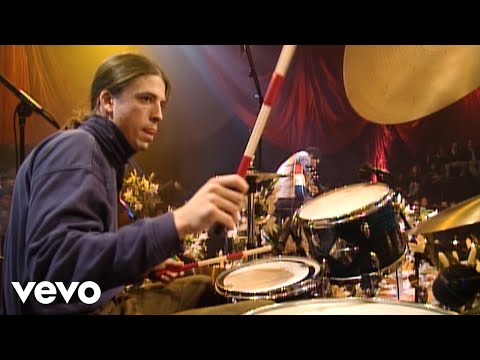
Drummer Dave Grohl later admitted they didn’t enjoy most of what they saw. Performances often leaned heavily on familiar hits, delivered with the same energy as large-scale concerts. The intimacy of the format was lost, replaced by something that felt forced and overly rehearsed.
That reaction shaped Nirvana’s hesitation. They didn’t want to participate unless they could do it their own way. If the show was going to work for them, it needed to feel stripped down not just in sound, but in spirit. Otherwise, it would become just another version of the kind of performance they were already trying to avoid.
Turning the Format Into Something Personal
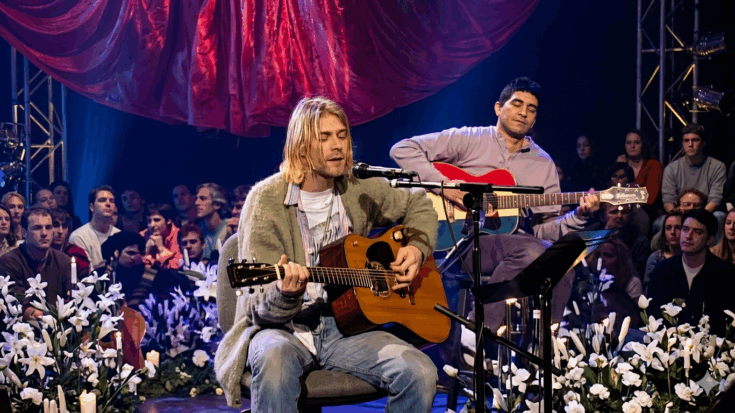
When Nirvana finally agreed to perform, they approached it differently from the start. Instead of building the setlist around their biggest hits, they leaned into deeper cuts and covers. Aside from “Come As You Are,” much of the set avoided the songs that had made them famous.
The performance itself unfolded with a quiet intensity. Opening with “About a Girl,” the band set a tone that felt more introspective than explosive. As the set progressed, Cobain’s voice carried more weight, especially during songs like “Dumb” and “Pennyroyal Tea,” which translated naturally into the stripped-back arrangement.
By the time they reached their haunting rendition of “Where Did You Sleep Last Night,” the performance had built into something raw and deeply human. It wasn’t a spectacle, and that was exactly the point. Nirvana had turned a format they initially disliked into something that reflected who they really were.
A Performance They Didn’t Enjoy, But Perfected
Despite the outcome, the band’s initial dislike for the concept never fully disappeared. They had gone into the project with doubts, shaped by what they had seen before. In many ways, their discomfort became part of what made the performance feel so honest.
Looking back, the show hinted at a different direction Nirvana could have explored. Cobain had expressed admiration for Automatic for the People by R.E.M., and there were signs he was interested in quieter, more reflective songwriting. The Unplugged set showed how well that approach suited the band.
That possibility never had time to fully develop. Not long after, Cobain was gone, leaving the performance as one of the clearest glimpses into what might have been. It stands as a moment where a band that didn’t enjoy the idea of the show ended up redefining it entirely, on their own terms.