

The One Billy Joel Album He Admitted Was Inspired by a Beatle
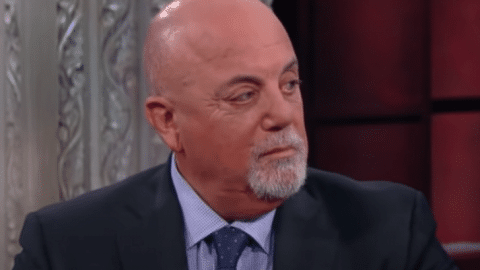
via The Late Show with Stephen Colbert / YouTube
Billy Joel has always occupied an unusual space in rock history. He’s sold millions of records, packed arenas for decades, and written songs that feel permanently etched into popular culture. Yet he’s never really been embraced as a “cool” artist in the traditional rock sense, and that never seemed to bother him much.
Songs like “Piano Man” or “Uptown Girl” are universally recognizable, but they aren’t the kind of tracks that earn street credibility at a loud house party. Joel’s music works best in quieter moments—long drives, late nights, or those rare instances when nostalgia hits without warning. He wrote for connection, not approval.
That mindset shaped his entire career. Joel wasn’t interested in trends or image-building. He studied music the way others studied literature, pulling inspiration wherever it made sense. When he set out to make The Nylon Curtain, that curiosity led him straight back to one particular influence he’d been absorbing for years: John Lennon.
Learning From “The Intellectual Beatle”
For most songwriters who emerged after the 1960s, Lennon’s shadow looms large, whether they admit it or not. While Bob Dylan reshaped lyricism, Lennon fused words and melody in a way that felt conversational yet emotionally loaded. His voice—nasal, intimate, and unmistakable—became part of the message itself.
Joel had already internalized The Beatles’ catalog long before the early ’80s, but his musical identity was broader than that alone. Albums like The Stranger and 52nd Street reveal a songwriter comfortable borrowing from jazz, classical music, and Broadway traditions. “Zanzibar,” with its jazzy mid-song break, is a perfect example of how wide his palette already was.
Still, Lennon occupied a special place in Joel’s musical thinking. When he began writing what would become The Nylon Curtain, he wasn’t just borrowing chord shapes or studio tricks. He was thinking about tone, phrasing, and the way Lennon could sound vulnerable and confrontational at the same time.
The Nylon Curtain and a Shift in Voice
By the time Joel entered the studio for The Nylon Curtain, the project had taken on extra emotional weight. Lennon’s death occurred during the album’s recording, and while Joel has never said the record was a direct reaction to that loss, it clearly left its mark on him.
The influence showed up most noticeably in his singing. Joel subtly altered his vocal delivery, leaning into a sharper edge that echoed Lennon’s approach. Even his longtime producer, Phil Ramone, picked up on the change as the sessions progressed.
Joel later explained it in simple, honest terms. He said he was channeling Lennon because he didn’t want him to be gone. He wanted to keep hearing that voice, even if it meant shaping his own around it. The songs, he admitted, were written with Lennon very much in mind.
A Beatle’s Spirit, Not an Imitation
None of the songs on The Nylon Curtain try to mimic Lennon outright, and that’s part of why the album works. Tracks like “Allentown” sit comfortably in Joel’s pop-rock wheelhouse, while “Pressure” still carries traces of the harder-edged sound he explored on Glass Houses.
Then there’s “Goodnight Saigon,” one of the most ambitious songs Joel ever wrote. Its focus on Vietnam War veterans and their lasting trauma places it closer to Lennon’s political material than anything else in Joel’s catalog. The song doesn’t offer easy answers, but it insists on being heard.
Sonically, the album also nods to Lennon through atmosphere rather than imitation. Vocal reverbs, dense arrangements, and the sweeping closer “Where’s the Orchestra?” all suggest a songwriter thinking carefully about texture and mood. It wasn’t about becoming a Beatle—it was about honoring one. That experiment, in many ways, set the stage for Joel’s next reinvention on An Innocent Man, where he’d pay tribute to an entire lifetime of influences instead of just one.