

The Most Beloved Cover Versions of ’70s Songs
The 1970s produced songs that didn’t just fill radio playlists — they set templates that musicians would keep returning to long after the decade ended. It was a period where styles overlapped and collided, and strong melodies mattered as much as attitude or image. Those records stayed alive because they were built on ideas sturdy enough to outlast the moment they came from.
One way that longevity shows itself is through reinterpretation. A truly great song can survive being pulled apart and rebuilt, even when the original production is deeply tied to its era. When later artists revisited ’70s material, they often stripped away familiar textures and reshaped the core into something new, sometimes darker, sometimes more polished, and sometimes aimed at an entirely different audience.
In many cases, those second lives became hits in their own right. Some covers climbed charts higher than the originals, earned major awards, or ended up defining the song for a new generation of listeners. What follows are five cover versions of 1970s songs that didn’t just honor the past — they became beloved classics all on their own.
“I Will Always Love You” by Whitney Houston (originally by Dolly Parton)
When Dolly Parton wrote “I Will Always Love You,” it wasn’t designed as a grand pop statement. It was a restrained, deeply personal farewell, written to close one chapter of her life while honoring the one that helped launch her career. The original recording leaned into simplicity, letting the emotion sit quietly rather than pushing it forward.
That intimacy stayed mostly within country music for years, even as the song proved its staying power. It topped the country charts twice, yet barely crossed over into the broader pop conversation. The composition was admired, but it hadn’t yet reached its full cultural weight.
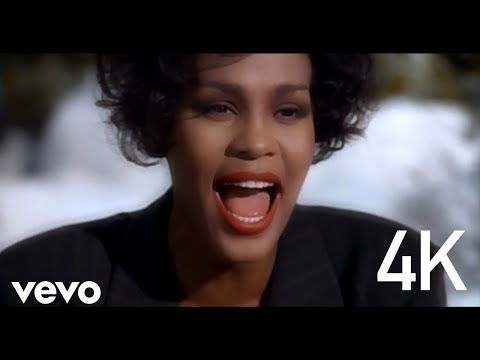
Everything changed when Whitney Houston reimagined it for The Bodyguard. Her version turned restraint into release, stretching the melody into something cinematic and overwhelming. What began as a private goodbye became one of the most recognizable vocal performances in pop history, permanently redefining the song for generations that followed.
“I Love Rock ’N Roll” by Joan Jett & the Blackhearts (originally by The Arrows)
“I Love Rock ’N Roll” didn’t arrive as a hit when it first appeared. The original version by The Arrows was more of a cult curiosity, tied to television appearances rather than radio dominance. It had attitude, but not the muscle needed to carry it across charts.
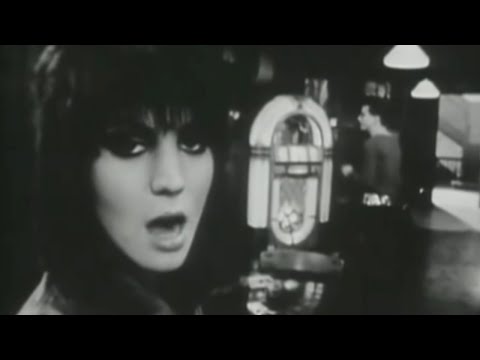
Joan Jett saw something else in it. She stripped away any gloss and rebuilt the song around grit, repetition, and pure intent. The lyrics felt less like a flirtation and more like a challenge, backed by a sound that refused to soften its edges.
When the re-recorded version finally landed, it stayed put. The song ruled the charts for weeks and became an anthem rather than a novelty. In the process, Jett didn’t just revive a forgotten track — she transformed it into a defining moment of early ’80s rock radio.
“Lean on Me” by Club Nouveau (originally by Bill Withers)
Bill Withers wrote “Lean on Me” with plainspoken clarity. The original relied on warmth and patience, letting the message breathe without embellishment. It felt communal, like a song meant to be shared rather than performed.
Years later, Club Nouveau took that foundation and pushed it into a different emotional space. Their version moved faster, leaned into synthesizers, and wrapped the song in late-’80s optimism. The sentiment stayed intact, even as the sound shifted dramatically.
The result was a rare crossover success that matched the original’s chart peak. While many retro revivals faded quickly, this one stuck because it respected the heart of the song. It proved that sincerity could survive even the most era-specific production choices.
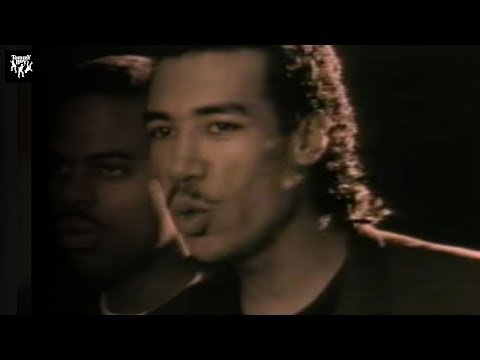
“Venus” by Bananarama (originally by Shocking Blue)
The original “Venus” by Shocking Blue blended mystique with movement. It carried a hypnotic quality, driven by rhythm and atmosphere rather than flash. Its success came from mood as much as melody.
When Bananarama revisited the song in the mid-’80s, subtlety was not the goal. Their version was louder, brighter, and unapologetically built for dance floors. Synthesizers replaced shadows, turning the track into a full-bodied pop spectacle.
Despite the drastic shift, the core hook remained irresistible. The cover didn’t erase the original — it reframed it for a new moment. In doing so, it sent the song back to No. 1, proving how adaptable a strong melody can be.
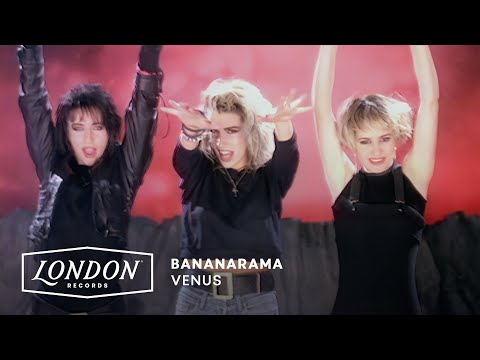
“Killing Me Softly With His Song” by The Fugees (originally by Roberta Flack)
Before it became a hip-hop staple, “Killing Me Softly With His Song” was already a classic through Roberta Flack. Her version carried quiet intensity, building emotion without ever forcing it. It was intimate, reflective, and deeply human.
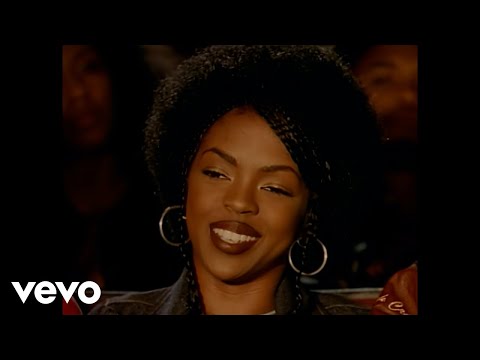
The Fugees approached the song from a different angle. They layered it with contemporary rhythm and a relaxed groove, letting Lauryn Hill’s voice bridge past and present. The familiarity of the melody met the immediacy of modern production.
That balance made the cover unavoidable. It crossed genres, formats, and audiences, becoming one of the defining songs of the decade. Rather than overshadowing what came before, it extended the song’s life — a reminder that some stories only grow stronger when retold.