

The 1981 Song Joey Ramone Wrote After Heartbreak
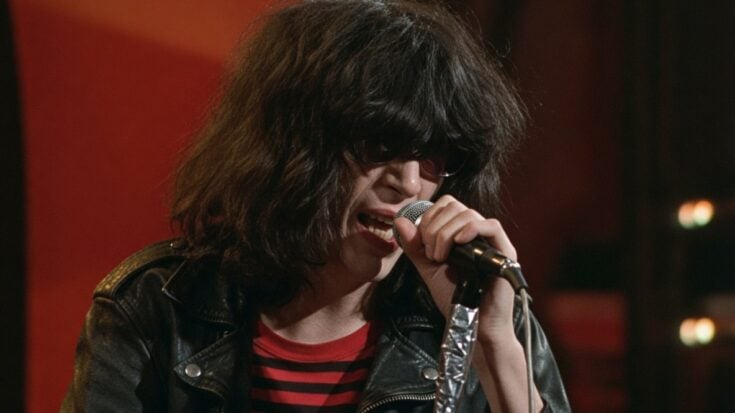
via "Ramones" / YouTube
The story of the Ramones is often told as one of unity and simplicity. Four guys, leather jackets, fast songs, and a shared mission to strip rock music down to its core. From the outside, they looked inseparable, almost like a family that thrived on chaos and chemistry in equal measure. That image became part of their identity, something fans held onto as much as the music itself.
Behind that image, though, things were far more complicated. The band functioned less like a tight-knit group and more like individuals who tolerated each other because the music demanded it. Nowhere was that tension more obvious than in the relationship between Joey Ramone and Johnny Ramone. Their personalities, beliefs, and outlook on life often clashed in ways that never fully healed.
What kept them together was not friendship but necessity. The Ramones worked because each member played a role that could not easily be replaced. That fragile balance held for years, even as resentment quietly built in the background. Eventually, one personal betrayal would turn that tension into something permanent.
Opposites in Every Sense
Joey and Johnny were different in ways that went beyond music. Joey carried a more sensitive and introspective personality, while Johnny approached life with discipline and a rigid mindset. These differences showed up not just in how they behaved, but in how they viewed the world around them.
Politics became one of the most visible fault lines. Joey leaned toward progressive ideals and wasn’t shy about expressing them, especially through lyrics. Johnny, on the other hand, held conservative views and openly supported figures like Ronald Reagan. For a band rooted in punk rebellion, that contrast felt almost surreal.
Despite these clashes, they found a way to coexist, at least professionally. Disagreements were often pushed aside in favor of keeping the band moving forward. Still, that uneasy truce depended on both sides holding back just enough. Once something more personal entered the picture, that balance didn’t stand a chance.
When Politics Turned Personal
Tensions spilled into their music at times, especially when Joey used songwriting as an outlet for frustration. One of the clearest examples came with the track “Bonzo Goes to Bitburg,” written in response to Reagan’s controversial visit to a German military cemetery. Joey saw it as a necessary statement, while Johnny viewed it as an attack on someone he supported.
The disagreement over the song ran deep enough to affect how it was released. Johnny pushed for the title to be changed, and it eventually appeared as “My Brain Is Hanging Upside Down” on certain releases. Even in this moment, you could see how personal beliefs shaped the band’s decisions.
Still, political arguments, no matter how intense, were not what ultimately broke them. Those could be debated, resisted, or ignored. What happened next crossed a line that neither time nor music could repair, turning a working relationship into something far colder.
Heartbreak Turned Into Punk History
The real fracture came when Joey’s girlfriend, Linda, left him for Johnny. It was not just a breakup; it was a betrayal involving the one person he already struggled to get along with. For Joey, it cut deeper than any argument about politics or music ever could.
Out of that pain came one of the band’s most memorable songs, “The KKK Took My Baby Away.” Fast, sharp, and emotionally raw, it captured Joey’s anger and heartbreak in a way only punk could. The lyrics carried a mix of sarcasm and bitterness, turning a personal wound into something loud and impossible to ignore.
The aftermath lingered for the rest of their lives. Linda eventually married Johnny, and the two stayed together until his death. Joey and Johnny, meanwhile, never truly repaired their relationship. They continued performing together, but once the show ended, they went their separate ways, leaving behind a band that sounded united on stage but lived divided off it.