

Sharon Osbourne Says Ozzfest Could Return in 2026
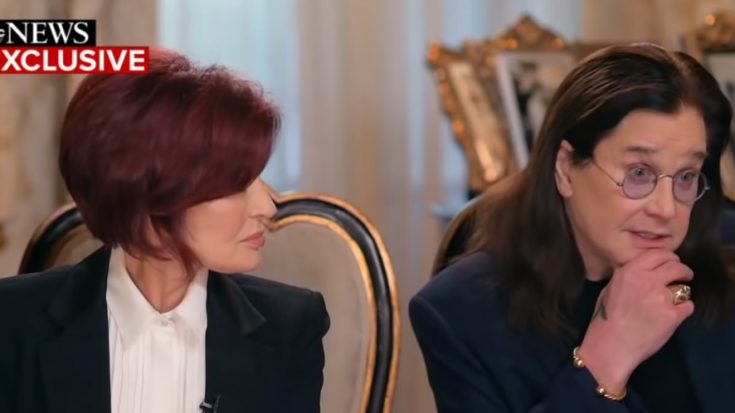
Ozzy and Sharon Osbourne in an interview with GMA - Good Morning America / Youtube
For years, Ozzfest has existed more as a memory than a possibility, a name tied closely to a particular era of heavy music and a specific moment in Ozzy Osbourne’s life. Now, Sharon Osbourne has reopened the door to that legacy, suggesting the iconic touring festival could make a return as soon as 2026. It’s not a full announcement yet, but it’s the most concrete movement fans have heard in years.
In a recent interview, Sharon Osbourne confirmed she has been in conversations with Live Nation about reviving the festival. While the discussions are still early, her comments make it clear this isn’t just idle nostalgia. There is a genuine interest in finding a modern version of Ozzfest that still respects what it originally stood for.
Crucially, Sharon framed the idea around purpose rather than spectacle. Ozzfest, as she describes it, was never meant to be just another loud summer tour. It was designed to give new bands exposure, community, and a platform they couldn’t find elsewhere — something she believes is still missing in today’s festival landscape.
The Spirit Behind Ozzfest
When Sharon talks about Ozzfest, she inevitably circles back to Ozzy himself. She’s been clear that the festival was deeply personal to him, not just because his name was on the banner, but because he believed in opening doors for younger artists. According to Sharon, Ozzy saw the tour as a way to give new talent real opportunities in front of massive crowds.
That philosophy shaped Ozzfest from the beginning. After Lollapalooza declined to book Ozzy in the mid-1990s, Sharon created an alternative rather than waiting for approval. The first Ozzfest in 1996 was modest by later standards, but it set the tone: Ozzy headlining alongside heavy acts that weren’t getting mainstream attention elsewhere.
As the late ’90s unfolded, that approach paid off. Bands like Slipknot, Limp Bizkit, and System Of A Down didn’t just play Ozzfest — they grew with it. The festival became known as a proving ground, a place where emerging acts could test themselves on large stages while building loyal fanbases along the way.
Why Ozzfest Went Away
Despite its influence, Ozzfest was never an easy machine to keep running. Sharon has spoken openly about the financial realities that eventually caught up with the tour. While fans often assumed the festival was a massive cash cow, she has insisted that the margins were far slimmer than people believed.
The real tension, she explained, came from behind the scenes. Bands were friends, but managers and agents increasingly pushed for higher fees, convinced that Ozzfest was generating enormous profits. Over time, those demands made the tour harder to sustain, especially as costs continued to rise.
By the time Ozzfest quietly faded after its final 2018 show in Inglewood, it wasn’t a dramatic ending — just a practical one. The festival had outgrown the financial structure that once made it viable, and Sharon chose to stop rather than compromise what made it special in the first place.
A Return With a New Shape
What makes Sharon’s recent comments especially interesting is her openness to evolution. If Ozzfest returns, it may not be limited strictly to metal or hard rock. She has suggested a broader lineup, reflecting how heavy music now overlaps with other genres and scenes in ways it didn’t decades ago.
That flexibility also ties back to the idea of a “baby stage,” something Sharon has repeatedly emphasized. Breaking new bands was always central to Ozzfest’s identity, and she seems determined to preserve that element even if the overall format changes. The challenge, as she acknowledges, is pairing those new acts with headliners that can still draw crowds.
The timing adds emotional weight to the discussion. Ozzy Osbourne passed away in 2024, just weeks after his farewell performance with Black Sabbath. Any future Ozzfest would inevitably stand as a tribute to his vision — not a monument, but a continuation of the platform he believed in. If it does return in 2026, it won’t just be about revisiting the past. It will be about seeing whether that original spirit still has a place in today’s music world.