
Rush Receives Honor That Brings Back Memories for Fans

via " CBC Music, The JUNO Awards, Rush" / YouTube
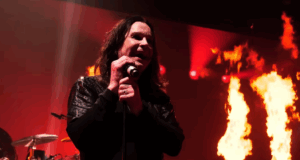
It had been quiet for years, at least when it came to live performances. That changed when Rush opened the 2026 Juno Awards with a performance that immediately felt heavier than a typical reunion. The moment carried history with it, and fans knew it before the first note fully landed.
The band stepped onstage without Neil Peart, whose absence has defined every conversation about Rush since 2020. His passing marked a clear end to the band as it once existed. Even Alex Lifeson had said plainly that Rush, in its true form, was over.
Still, seeing Geddy Lee and Lifeson together again changed something. It wasn’t about replacing what was lost. It felt more like acknowledging it out loud, on a stage where their music always belonged.

Reworking the Sound Without Replacing the Past
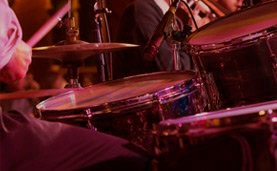
To make the performance possible, the band brought in new musicians. Anika Nilles handled drums, while Loren Gold filled out the sound. It was a careful balance—honoring the original arrangements without pretending nothing had changed.
They chose “Finding My Way,” the opening track from their 1974 debut, a song that reaches back to a time before Peart even joined the band. That detail mattered. It shifted the focus away from comparison and toward origin, reminding fans where everything started.
The performance also marked the first time the song had been played in full in decades. That alone gave it a sense of occasion. It wasn’t just nostalgia—it was a deliberate nod to the band’s earliest identity, long before the progressive era defined them.
A Celebration Instead of a Reunion
What followed the Juno Awards appearance made the intent clearer. Lee and Lifeson had already announced their upcoming Fifty Something tour, a run that quickly expanded into a full-scale world tour. The demand suggested that fans weren’t looking for closure—they were still listening.
The messaging around the tour has been careful. This isn’t being framed as a full reunion, and it doesn’t try to recreate the past exactly as it was. Instead, it leans into the idea of celebration, of revisiting decades of music without rewriting the band’s history.
In a way, the honor at the Juno Awards worked as a starting point. It brought everything back into focus—the loss, the legacy, and the connection that never really faded. For longtime fans, it wasn’t just a performance. It felt like reopening a chapter they thought had already ended.