

Ritchie Blackmore Clears Up Longtime Feud Talk
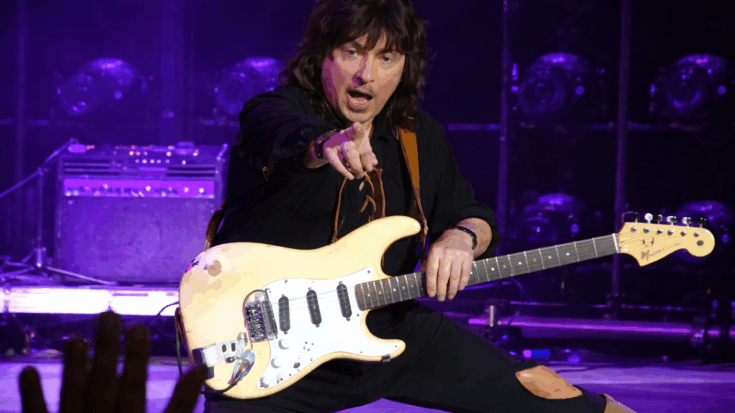
via "alexanderpronyakin8532" / YouTube
For years, fans have traded stories about supposed rivalries between classic rock guitarists. One pairing that often comes up is Ritchie Blackmore and Jimmy Page, two musicians who helped define the sound of British rock in the 1960s and beyond. The idea of tension between them has floated around for decades, fueled more by speculation than direct statements.
That narrative recently took a hit when Blackmore addressed the rumors himself. Speaking casually during a livestream, he pushed back on claims that he held any kind of resentment toward Page. His reaction was less defensive and more puzzled, as if the rumor never made sense to him in the first place.
Instead of confirming a feud, Blackmore’s comments painted a very different picture. What emerged was a story not of rivalry, but of early recognition, shared history, and long-standing respect between two guitarists who rose through the same scene.
View this post on Instagram
Early Encounters in the London Scene
Blackmore traced his connection with Page back to the early 1960s, a time when both were still finding their footing. He recalled seeing Page when he was playing with Neil Christian and the Crusaders, while Blackmore himself was performing with Screaming Lord Sutch and the Savages. It was a small but important moment that stuck with him.
Even then, Blackmore said he could tell Page had something special. It was not just about technical skill, but presence. Page had a natural look and feel with the guitar that suggested he was headed somewhere bigger, something that would soon become clear as the decade unfolded.
That instinct proved accurate. Both guitarists became part of London’s thriving studio and live circuit, where reputations were built quickly. While Jimmy Page became one of the most in-demand session players of the era, Blackmore carved out his own path through relentless touring and band work.
Mutual Respect Between Guitar Giants
As their careers developed, so did their recognition of each other’s abilities. Blackmore spoke openly about admiring Page, describing him as someone who had both the technique and the intangible quality that separates great players from the rest. It was not framed as competition, but as acknowledgment.
One of the most telling moments came during a later conversation between the two. Page once asked Blackmore where he developed his signature runs, a question that caught him off guard. For Blackmore, those flourishes were instinctive, shaped by improvisation rather than formal structure.
That exchange stayed with him because it felt like genuine respect. Coming from someone like Jimmy Page, the question carried weight. Blackmore described him in simple but meaningful terms, calling him a magical and great guy, which says more than any rumor ever could.
Parallel Paths That Shaped Rock History
Both musicians went on to leave a permanent mark on rock music, though their journeys took slightly different directions. Blackmore co-founded Deep Purple, helping shape the heavier, riff-driven sound that would influence generations. Page, on the other hand, became the driving force behind Led Zeppelin, blending blues, folk, and hard rock into something expansive.
Their rise happened at roughly the same time, during a period when British rock was evolving at a rapid pace. They were not isolated figures but part of a wider circle that included names like Jimi Hendrix and Eric Clapton. Each brought a different style, yet all contributed to the same musical shift.
Looking back, the idea of a feud feels out of place. Blackmore’s recent comments make that clear. Rather than rivals, he and Page were contemporaries who recognized each other’s strengths early on and carried that respect through decades of music.