

Gene Simmons Takes Aim at Peter Criss Again, Questions His Role as a Musician
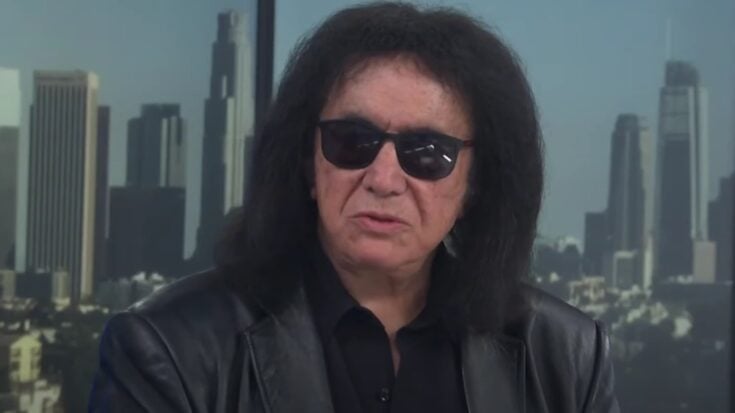
via NBCLA / YouTube
Tensions inside the KISS camp resurfaced once again after Gene Simmons made blunt remarks about founding drummer Peter Criss in a recently circulated video. The comments, shared by Professor of Rock, arrived during a period when Simmons has already been under scrutiny for how he speaks about former bandmates.
While Simmons framed his words as honesty rather than hostility, the timing raised eyebrows. Fans were still reacting to his earlier remarks involving Ace Frehley, which sparked widespread backlash and eventually led to a public apology. Against that backdrop, any renewed criticism within the KISS family was bound to land hard.
The discussion once again highlighted how unresolved personal history continues to shadow the band’s legacy. Even decades after their commercial peak, the relationships between KISS’s original members remain as combustible as ever.
Simmons Sets the Emotional Context
Simmons began by stressing that his relationship with Criss is not rooted in bitterness. He described KISS as a family, acknowledging that long stretches of conflict and silence are part of that reality. According to Simmons, love and frustration have always coexisted within the group.
He emphasized that Criss remains “family” regardless of past disagreements, pointing to moments when the surviving members have crossed paths privately and reflected on their shared history. Those moments, Simmons suggested, carry both warmth and unresolved tension.
Still, the tone shifted once Simmons declared it was “time for the truth.” What followed moved beyond personal dynamics and into a critique that questioned Criss’s musical standing within the band.
Simmons’ Most Controversial Claims
Simmons’ most provocative statements centered on Criss’s musicianship. He argued that Criss did not write songs for KISS and claimed that drums, by definition, are not a musical instrument but a percussive one. While he acknowledged their importance, Simmons insisted that drum parts cannot be copyrighted in the same way riffs, melodies, or lyrics can.
He further stated that he had never seen Criss play any other instruments, reinforcing his belief that Criss’s creative contributions were limited. Simmons did, however, credit Criss with possessing a distinctive vocal presence in the band’s early years, particularly noting his gritty, whiskey-tinged voice.
These remarks struck a nerve among fans and musicians alike. Drummers quickly pushed back online, arguing that Simmons’ definition of musical contribution was narrow and dismissive, especially given Criss’s role in shaping KISS’s sound and identity.
A Turbulent Moment for KISS
The comments arrived at a sensitive time for the KISS legacy. Simmons had recently faced criticism for remarks about Frehley that many felt were unnecessary and poorly timed. After days of backlash, Simmons issued a public apology, admitting that his choice of words had been wrong.
That episode reinforced the perception that Simmons often struggles to separate blunt honesty from public insensitivity. As a result, his comments about Criss were viewed less as an isolated opinion and more as part of a broader pattern.
Meanwhile, Criss has largely stayed out of the spotlight, focusing on personal health and reflection rather than public rebuttal. The contrast between Simmons’ outspoken approach and Criss’s quieter path underscores the long-standing divide within KISS—a divide that, even now, shows no sign of fully closing.
Watch Professor of Rock’s video below.